Messi on reaching World Cup final: ‘No one gives us anything for free’
Source Entity
The Indian Express
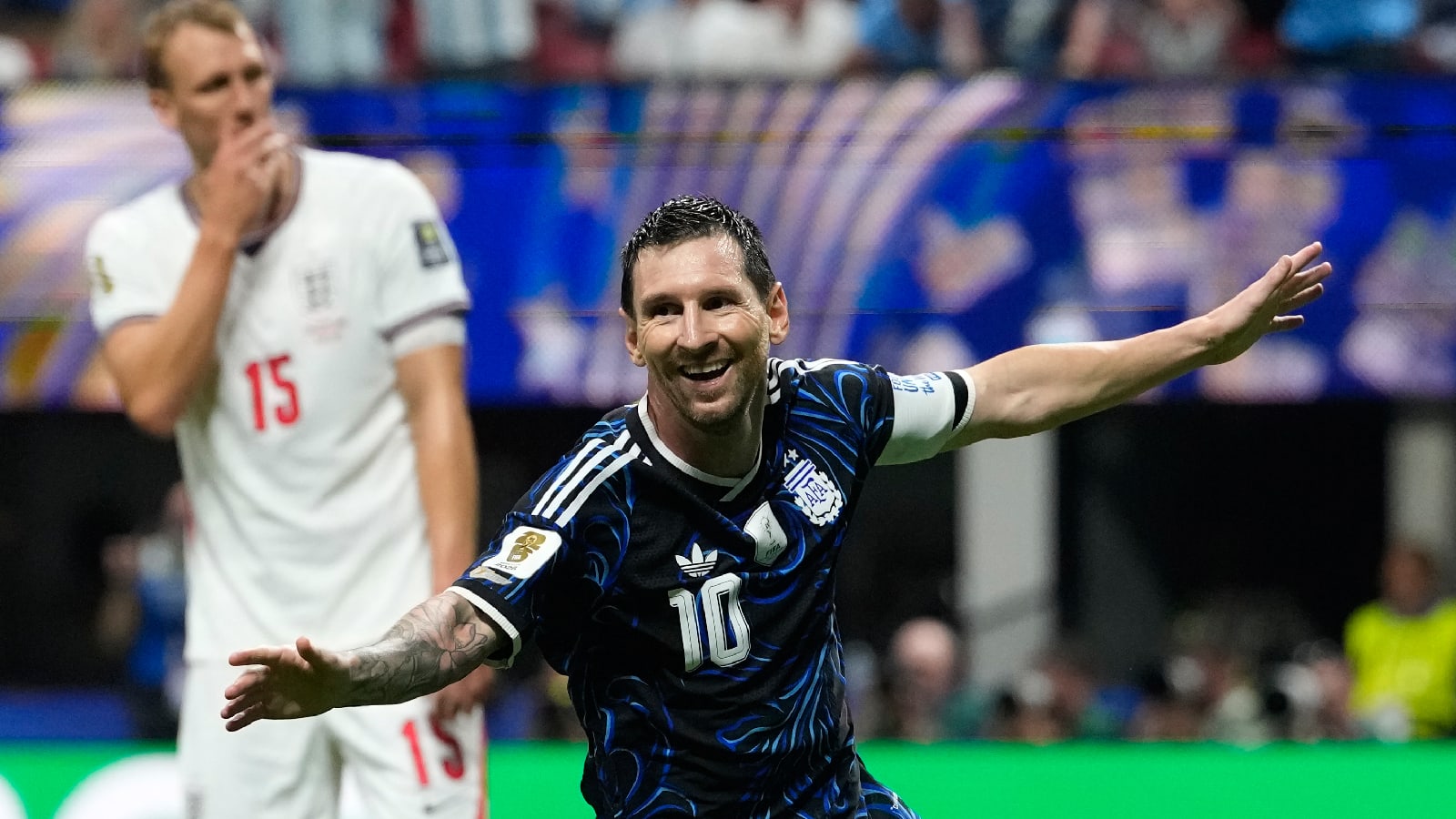
Lionel Messi has strongly rejected allegations of FIFA favoritism regarding Argentina's path to the World Cup final, asserting that the team's success is the result of hard work and merit rather than external assistance.
Messi Defends Argentina: Meritocracy vs. Allegations of Favoritism
In the high-stakes environment of the FIFA World Cup, the narrative surrounding a team's success is often as contested as the matches themselves. Lionel Messi's recent assertion that "no one gives us anything for free" serves as a poignant rebuttal to critics who claim that Argentina's journey to the final was smoothed over by FIFA favoritism. This statement is not merely a defensive reaction but a declaration of the team's resilience and the validity of their sporting achievements. By addressing these claims head-on, Messi is attempting to shift the global conversation from conspiracy theories to the tangible effort exerted by his squad.
The Anatomy of FIFA Favoritism Claims
Allegations of institutional bias are a recurring theme in international football, often surfacing when powerhouse nations like Argentina or Brazil advance deep into a tournament. These claims typically center on perceived refereeing biases, favorable scheduling, or the perceived influence of high-profile players on governing bodies. In this specific instance, the narrative of favoritism seeks to diminish the tactical brilliance and athletic endurance required to navigate a World Cup knockout stage. Messi's insistence that their path was earned highlights the disconnect between external perceptions and the internal reality of the players who face the physical and mental toll of the competition.
The Psychological Burden of the Captaincy
For Lionel Messi, these accusations carry a heavier weight due to his role as the talisman and captain of the Argentine national team. Throughout his career, Messi has faced immense pressure to emulate the legacy of Diego Maradona and to secure the one trophy that had eluded him. When critics suggest that his path to the final was "gifted," it strikes at the core of his professional identity. His vocal defense of the team indicates a maturation in his leadership style; where he once remained silent in the face of criticism, he now acts as a shield for his teammates, ensuring that their collective hard work is not overshadowed by baseless allegations.
Tactical Rigor and the Path to the Final
To understand why Messi emphasizes that nothing was "free," one must look at the grueling nature of the World Cup. Reaching a final requires a combination of tactical discipline, peak physical conditioning, and the ability to perform under extreme psychological pressure. Argentina's journey involved overcoming diverse playing styles and navigating the volatility of single-elimination matches. The "favoritism" narrative ignores the strategic adjustments made by the coaching staff and the selfless contributions of the supporting cast, all of whom labored to create the opportunities that allowed the team to progress.
Historical Context and the Quest for Legacy
Historically, the World Cup has been a stage for both sporting glory and political friction. Argentina's relationship with the tournament has always been fraught with intensity, making them a natural target for critics. This specific controversy mirrors previous tournaments where the "big nations" were accused of receiving preferential treatment. However, the stakes are higher for this generation of Argentine players, who view this tournament as their definitive chance to cement their place in history. By framing their success as a hard-won victory, Messi is protecting the legacy of his teammates as much as his own.
Future Implications for Global Football Narratives
Looking forward, this incident underscores a growing trend in sports media where "narrative-building" often outweighs factual analysis. The prevalence of favoritism claims suggests a cynical view of sporting governance that may persist regardless of the outcome. However, Messi's willingness to challenge these narratives sets a precedent for other athletes to demand respect for their merit. As football continues to expand globally, the tension between the perceived influence of "elite" teams and the reality of their on-pitch performance will likely remain a central point of contention.
Conclusion: The Triumph of Effort
Ultimately, Lionel Messi's response is a reminder that at the highest level of sport, success is rarely a product of chance or collusion. While the politics of football governance will always be subject to scrutiny, the physical evidence of a team's performance on the pitch remains the only true metric of success. By asserting that Argentina earned their place in the final, Messi reaffirms the fundamental principle of sport: that victory belongs to those who endure the most and perform the best when it matters most.