Meta debuts its Muse AI agent. Will consumers trust it?
Source Entity
Sarah Perez
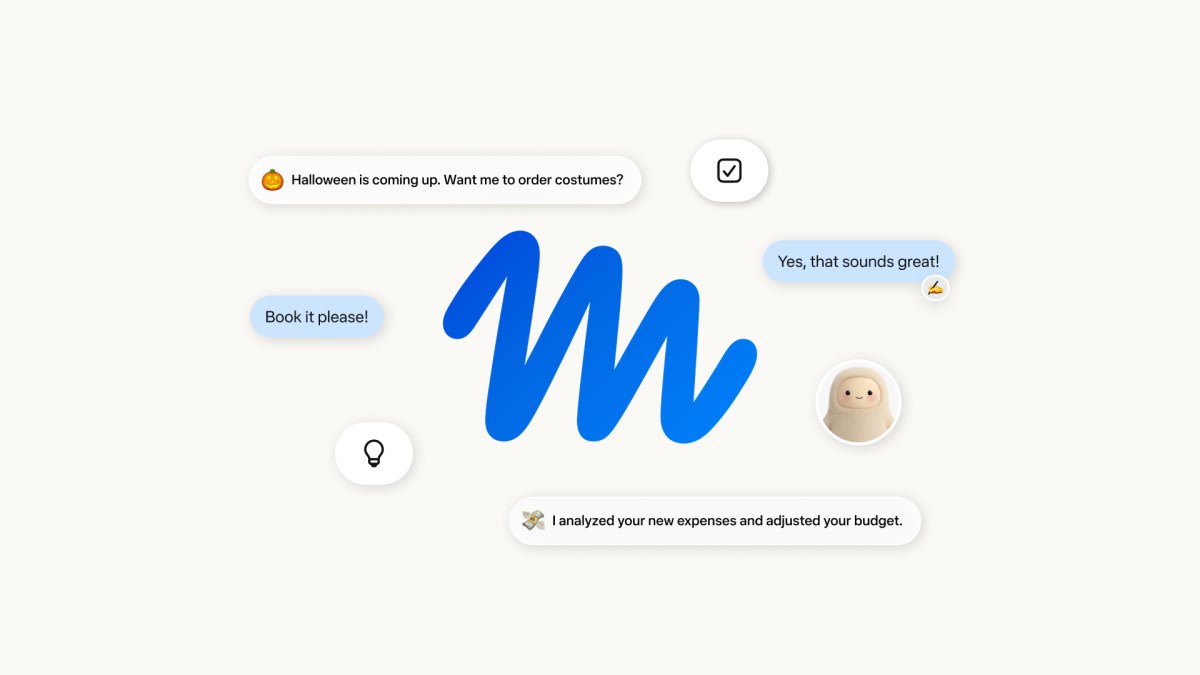
Meta has launched 'Muse,' a new personal AI agent that integrates with sensitive user data like emails and health apps. The launch arrives amid significant public skepticism and a recent $18 billion legal settlement regarding social media privacy.
Meta's Strategic Gamble: Introducing the Muse AI Agent
Meta has officially entered the competitive landscape of personal AI assistants with the debut of 'Muse,' an agent designed to automate everyday digital workflows. By integrating directly with a user’s most intimate digital touchpoints—including email, calendars, payment gateways, and even health and fitness tracking applications—Meta is positioning Muse as a comprehensive personal concierge. This move represents the company's most aggressive foray into consumer AI to date, signaling a shift from social networking to proactive, task-oriented digital assistance.
A Challenging Climate for Data Privacy
The timing of Muse’s release is particularly contentious. Meta recently finalized an $18 billion multistate settlement following a massive lawsuit centered on the consumer harms associated with its social media platforms. This legal backdrop has created a significant 'trust deficit' that the company must overcome to convince users to grant Muse the high-level permissions required for its functionality. Unlike previous social media products, Muse demands a deeper, more granular level of access to private life, raising questions about how Meta will handle this sensitive data compared to its historical record.
The Technical Foundation: Muse Spark
Under the hood, the Muse application is powered by the 'Muse Spark' family of foundation models. These models, overseen by Meta AI chief Alexandr Wang, have been released at an accelerated rate since April. By leveraging this rapidly evolving architecture, Meta aims to provide a robust experience that handles complex tasks such as scheduling, smart home management, and logistical coordination. The reliance on these proprietary models underscores the company's commitment to vertical integration in the AI sector.
Tiered Access and Economic Models
Meta has opted for a tiered monetization strategy for Muse, moving beyond the ad-supported model that defined its social media empire. The app is available in a free tier, but also offers monthly subscription models priced at $20 or $100, depending on the intensity of usage. This tiered approach suggests that Meta is targeting both casual users and 'power users' who require more advanced, high-frequency automation, effectively testing the consumer market's willingness to pay for privacy-sensitive AI services.
Future Implications and Market Skepticism
The success of Muse will serve as a critical litmus test for the broader AI industry. As Meta and its peers push for deeper integration into the personal lives of consumers, the industry faces intensifying scrutiny from regulators and the public alike. Whether users will prioritize the convenience offered by an AI agent over the inherent risks of data exposure remains an open question. Meta’s future in the AI space will likely depend on its ability to demonstrate that it can safeguard this expanded data footprint while delivering tangible productivity gains.
Multiple Citing Sources