Meta is expanding its AI agent Muse to small businesses
Source Entity
Aisha Malik
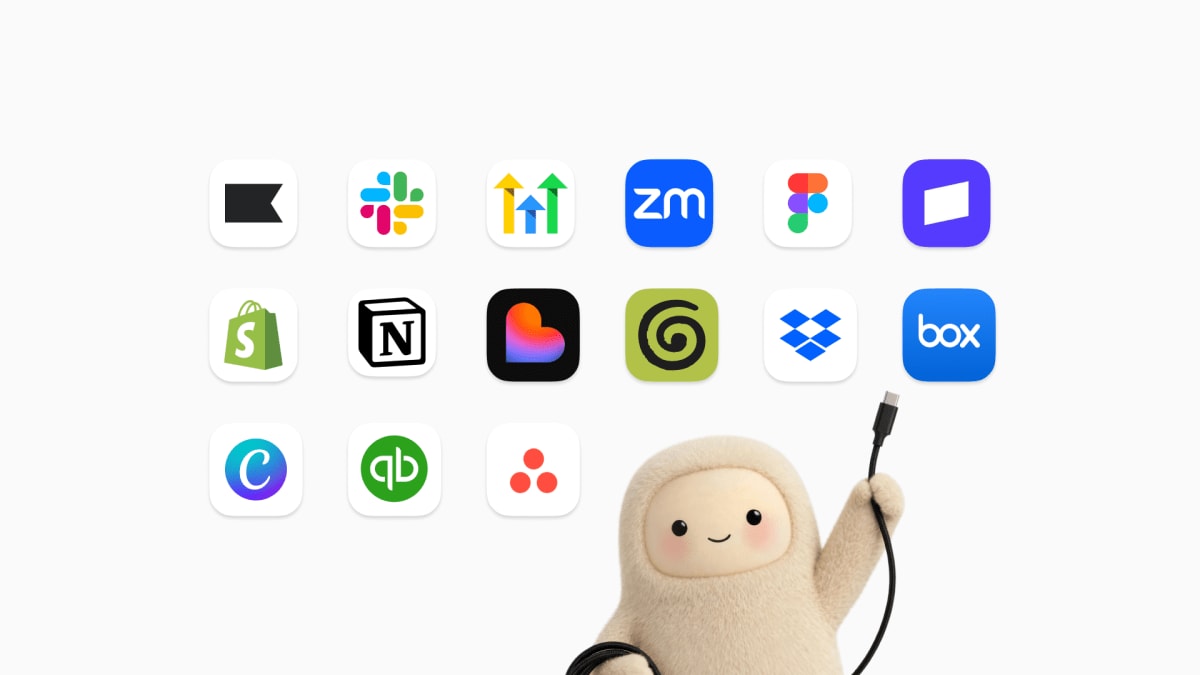
Meta has expanded its Muse AI agent to support small businesses, integrating with tools like Shopify, Slack, and Salesforce. This move aims to enhance operational efficiency by providing the AI with deep context across a company's sales, marketing, and communication platforms.
Meta Scales AI Strategy: Muse for Small Business
Meta has officially announced the expansion of its Muse AI agent to the small business sector, marking a strategic pivot from purely consumer-facing AI products to integrated enterprise solutions. By building upon the initial success of its personal AI agent, Meta is positioning itself to capture the lucrative small-to-medium business (SMB) market, which is increasingly reliant on digital automation to remain competitive in a saturated global economy.
Deep Integration for Operational Efficiency
The core value proposition of Muse for Small Business lies in its interoperability with existing digital infrastructure. By integrating with platforms such as Shopify, Dropbox, Slack, Asana, Zoom, Intuit, Box, and Canva, Meta is moving beyond the standalone chatbot model. This allows the AI to develop a holistic view of a company's operations, ranging from inventory management and financial tracking to team communication and creative asset generation.
Leveraging Meta’s Ecosystem
A distinct competitive advantage for Meta is the agent's native ability to interface with its own advertising and social media suite. Muse can pull data from Facebook Pages, Instagram professional account analytics, and Meta ad accounts. This creates a feedback loop where the AI understands not just the internal operations of a business, but also its brand voice, product catalog, and the specific inquiries most frequently fielded by potential customers.
Strategic Competition in the AI Landscape
This expansion represents a clear escalation in Meta’s ongoing rivalry with major tech conglomerates like OpenAI and Google. By embedding its AI into the daily workflows of small business owners, Meta is attempting to build 'sticky' software that is difficult to replace. Instead of offering a generic search or content generation tool, Meta is selling a specialized operational assistant that understands the nuance of a specific business’s history and customer base.
Future Implications and Market Outlook
While Meta has yet to release specific pricing tiers for this business-focused iteration, it has pointed to its existing Muse app model, which utilizes a freemium structure with subscription upgrades. This approach suggests a tiered rollout intended to lower the barrier to entry for smaller firms while scaling costs for larger operations. As AI agents become more autonomous, the success of this initiative will likely depend on the platform's ability to maintain data security and provide reliable, actionable insights that translate into measurable business growth.
Conclusion
The introduction of Muse for Small Business signals a maturation of Meta’s AI strategy. By moving from personal assistance to business integration, the company is betting that the future of AI lies in context-aware agents that can synthesize data across disparate software silos. If successful, this could fundamentally alter how small businesses manage their digital presence, shifting the focus from manual platform management to high-level oversight aided by intelligent automation.
Multiple Citing Sources