Meta deal will help plastics recycling startup MacroCycle build its first factory
Source Entity
Tim De Chant
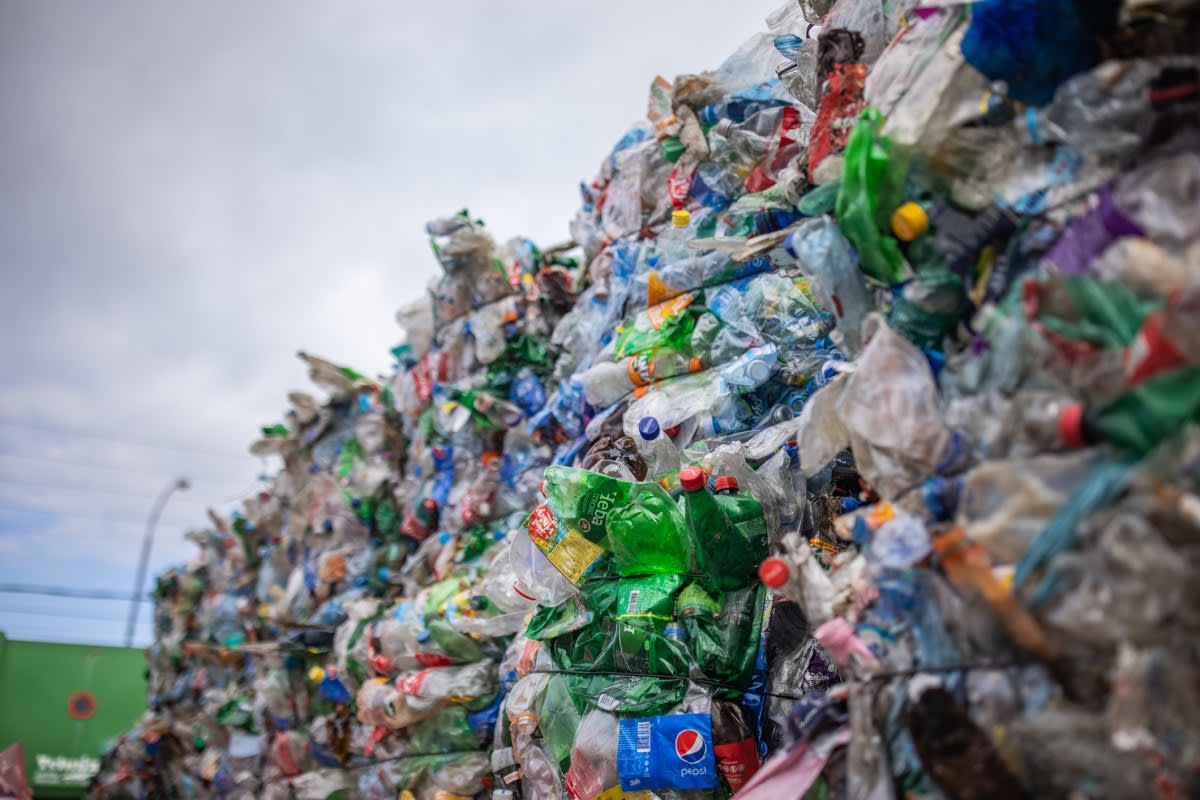
Meta has partnered with recycling startup MacroCycle to support the construction of their first commercial plastic processing facility. This deal allows Meta to claim credit for carbon emission reductions, while MacroCycle scales its sustainable PET recycling technology.
Meta Partners with MacroCycle to Advance Circular Economy
In a strategic move toward sustainability, Meta has entered into a significant partnership with MacroCycle, a Cambridge-based startup specializing in advanced plastics recycling. This agreement is designed to accelerate the construction of MacroCycle’s first commercial-scale plant, marking a critical milestone for the three-year-old firm. By providing financial support, Meta is not only aiding the infrastructure development of a green technology startup but is also integrating environmental impact into its broader corporate sustainability strategy.
The Innovation Behind MacroCycle
MacroCycle’s value proposition lies in its proprietary process for handling plastic waste. Unlike traditional mechanical recycling, which often results in degraded material quality, MacroCycle’s technology strips contaminants from waste plastic, producing a high-quality recycled material that is highly desirable for manufacturers. The environmental impact is substantial: the startup claims its process generates 80% fewer carbon emissions compared to the production of virgin PET plastic, which remains a staple in the global supply chain for bottles, containers, and textiles.
Strategic Carbon Accounting
Under the specific terms of the deal, Meta will receive the rights to the emissions avoided by MacroCycle’s operations. This mechanism allows Meta to report these reductions in its corporate carbon accounting, effectively incentivizing the startup by turning carbon avoidance into a tradeable asset. This financial arrangement helps bridge the 'valley of death' that many hardware and industrial startups face when attempting to move from pilot programs to full-scale commercial manufacturing.
Industry Recognition and Scalability
MacroCycle’s recent trajectory suggests significant industry confidence, underscored by their selection as a Top 20 finalist in the 2025 Startup Battlefield competition at TechCrunch Disrupt. This recognition highlights the growing market demand for scalable, low-carbon alternatives to conventional plastic production. By focusing on PET recycling, MacroCycle is targeting a high-volume market that is currently under immense regulatory and consumer pressure to adopt circular economy principles.
Future Implications for Corporate Sustainability
This partnership reflects a growing trend of large technology corporations using their balance sheets to catalyze climate-tech infrastructure. As Meta works toward its own net-zero goals, funding the construction of high-efficiency recycling plants serves as a tangible way to influence the upstream supply chain. If MacroCycle’s model proves successful at scale, it could establish a blueprint for how tech giants can leverage carbon-offsetting agreements to drive real-world industrial decarbonization.
Conclusion
The collaboration between Meta and MacroCycle represents a convergence of private capital and climate innovation. By supporting the development of a commercial plant that significantly reduces PET-related emissions, Meta is positioning itself as an active participant in the transition toward a circular economy. The success of this facility will be a litmus test for the scalability of MacroCycle’s technology and the efficacy of emissions-rights agreements in the recycling sector.