Meta’s Muse is outpacing ChatGPT’s early mobile launch
Source Entity
Sarah Perez
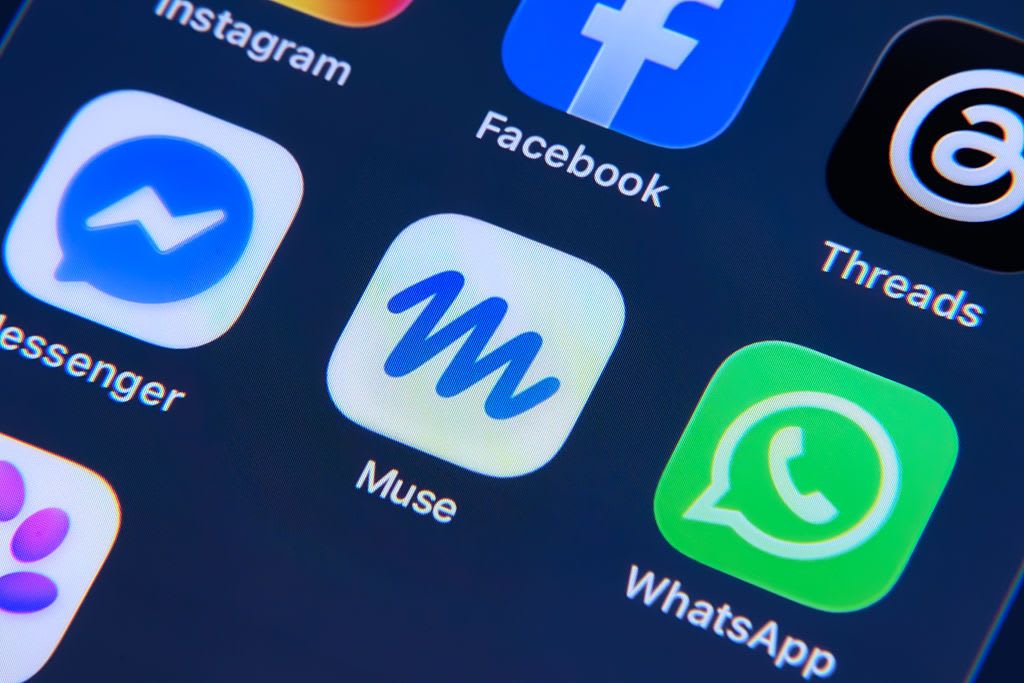
Meta's new AI agent, Muse, has outperformed ChatGPT's early mobile launch in the U.S. and Canada, securing higher download and daily active user counts. The app has also surpassed competitors like Claude and Grok on iOS store charts.
The Rise of Muse: Meta’s Strategic AI Expansion
Meta’s latest foray into the personal AI agent market, branded as 'Muse,' is showing significant early momentum. According to data from market intelligence firms Appfigures and Sensor Tower, the application has outperformed the early mobile launch trajectory of OpenAI’s ChatGPT. In the U.S. and Canada specifically, Muse recorded higher download numbers and daily active user (DAU) counts during its initial window compared to the corresponding period following ChatGPT’s mobile debut.
Analytical Context of the Launch
While comparing the two platforms presents challenges due to differing roll-out strategies, the data is compelling. ChatGPT’s mobile entry was restricted to iOS at launch, whereas Muse launched across both Apple’s App Store and Google Play, albeit in a restricted geographic capacity. Despite these variables, the raw download figures—notably 730,000 downloads in the first five days following its September 8th release—position Muse as a formidable contender in the rapidly consolidating AI consumer market.
Competitive Positioning in the App Ecosystem
Market performance metrics indicate that Muse is not only challenging ChatGPT but also effectively outpacing other high-profile AI tools including Anthropic’s Claude and SpaceXAI’s Grok. As of Monday, the application ascended to the top of the 'free smartphone programs' category on Apple’s U.S. iOS App Store, moving past established incumbents. This rapid adoption suggests that Meta’s existing social ecosystem may be providing a critical distribution advantage that pure-play AI companies struggle to replicate.
Strategic Implications for Meta
For Meta, the success of Muse represents a shift from integrating AI into existing platforms—like the standalone Meta AI app—to creating a dedicated, agentic experience. By capturing the top spot on app store charts, Meta is successfully signaling to investors and users alike that it remains a central player in the generative AI race. The ability to convert massive social media traffic into dedicated app installs is a unique competitive moat that differentiates Muse from competitors like Claude and Grok.
Future Trends and Market Sustainability
Looking ahead, the sustainability of Muse’s growth will likely depend on user retention and the utility of its agentic features compared to ChatGPT’s established feature set. While the current download surge is impressive, the long-term success of the product will be measured by its ability to maintain daily active users once the initial 'new app' curiosity fades. If Meta can leverage its infrastructure to provide a more personalized, integrated experience than the current market leaders, it may fundamentally reshape the landscape of personal AI assistants.