Meta’s new Muse Charm device may cost $300
Source Entity
Lucas Ropek
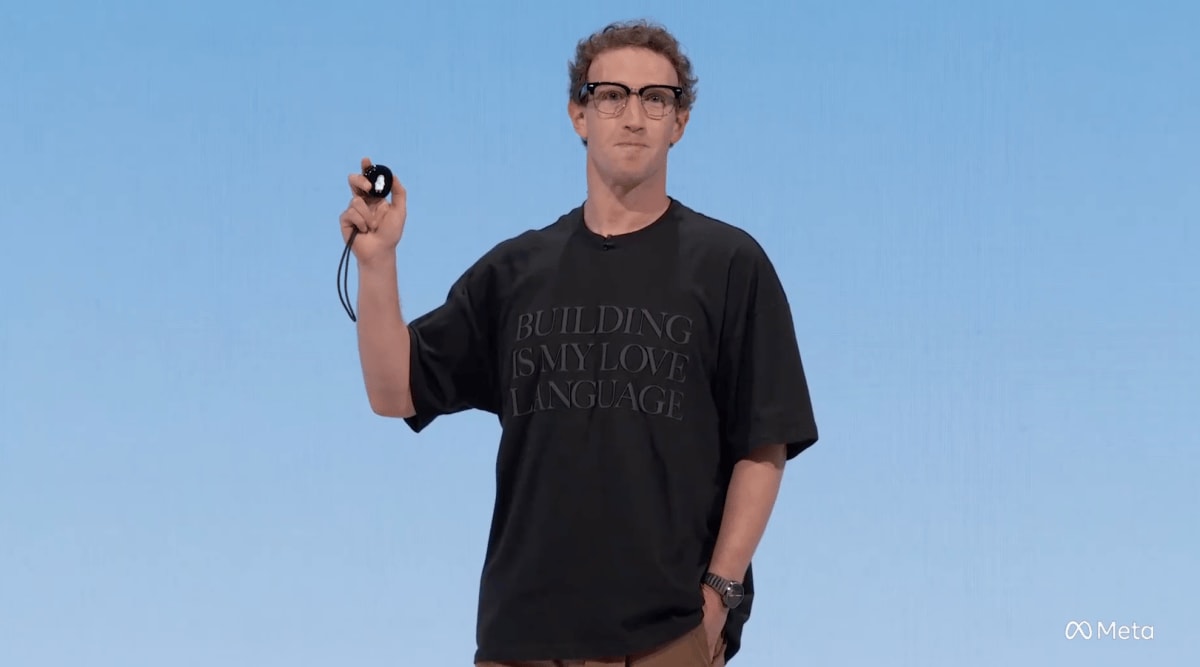
Meta is reportedly planning to price its new Muse Charm AI wearable at $300. The compact device aims to bring the company's agentic AI and avatar technology into a portable, screen-equipped hardware form factor.
Meta’s Strategic Pivot to AI Hardware with Muse Charm
Meta is reportedly preparing to launch its latest foray into consumer hardware with the Muse Charm, a portable device designed to serve as a physical vessel for the company's 'Muse' AI agent. According to recent reports, the device is expected to carry a price tag of $300. This development aligns with Meta’s broader strategic shift toward integrating its sophisticated AI models—which have already gained traction through agentic helpers and interactive avatars—directly into the daily lives of users via dedicated hardware.
The Intersection of AI and Wearable Tech
The Muse Charm represents a unique experiment in the wearable space. Unlike standard smartphones, which serve as multi-purpose hubs, the Muse Charm is positioned as a specialized, screen-equipped gadget intended to facilitate real-time voice interaction with Meta’s AI. By packing the 'Muse' experience into a pocketable or wearable form factor, Meta is attempting to create a more intimate, persistent connection between the user and their digital assistant. The inclusion of a fingerprint sensor for secure access underscores the company's intent to make this a personal, rather than communal, device.
Market Positioning and Consumer Expectations
At a $300 price point, Meta is positioning the Muse Charm as a premium consumer gadget, likely targeting early adopters and enthusiasts of voice-based AI technology. While CEO Mark Zuckerberg teased the device earlier this year at the Connect event, the specific pricing remained a subject of speculation until this recent reporting. The device’s 'Tamagotchi-like' appeal suggests that Meta is leveraging its library of cute, personality-driven avatars to differentiate its hardware from the more utilitarian AI interfaces offered by competitors.
Challenges and Strategic Implications
Meta’s decision to move into dedicated AI hardware is a high-stakes gamble. While the company has seen success with its software-based AI agents, hardware requires a different set of logistical and ecosystem-building capabilities. The company’s response to inquiries—stating they will 'have more to share soon'—suggests they are carefully managing the hype cycle leading up to a potential holiday release. The success of the Muse Charm will likely depend on whether users perceive enough value in a dedicated AI companion to justify the hardware cost in an era where AI features are increasingly baked into existing smartphones.
Future Trends in Agentic AI
Looking ahead, the Muse Charm could serve as a bellwether for the future of 'agentic' computing. If Meta succeeds, we may see a trend toward 'AI-first' devices that prioritize conversational interfaces over traditional graphical user interfaces. By creating a physical manifestation of their AI agent, Meta is not only testing a new revenue stream but also seeking to cement its role as a primary interface for human-computer interaction in the coming decade. Whether this hardware becomes a staple accessory or a niche curiosity remains to be seen, but it marks a critical milestone in Meta's evolution from a social media giant into an AI-integrated hardware company.