Meta reconsiders 2030 net-zero goal amid record emissions from AI data centers
Source Entity
Jeremy Hsu
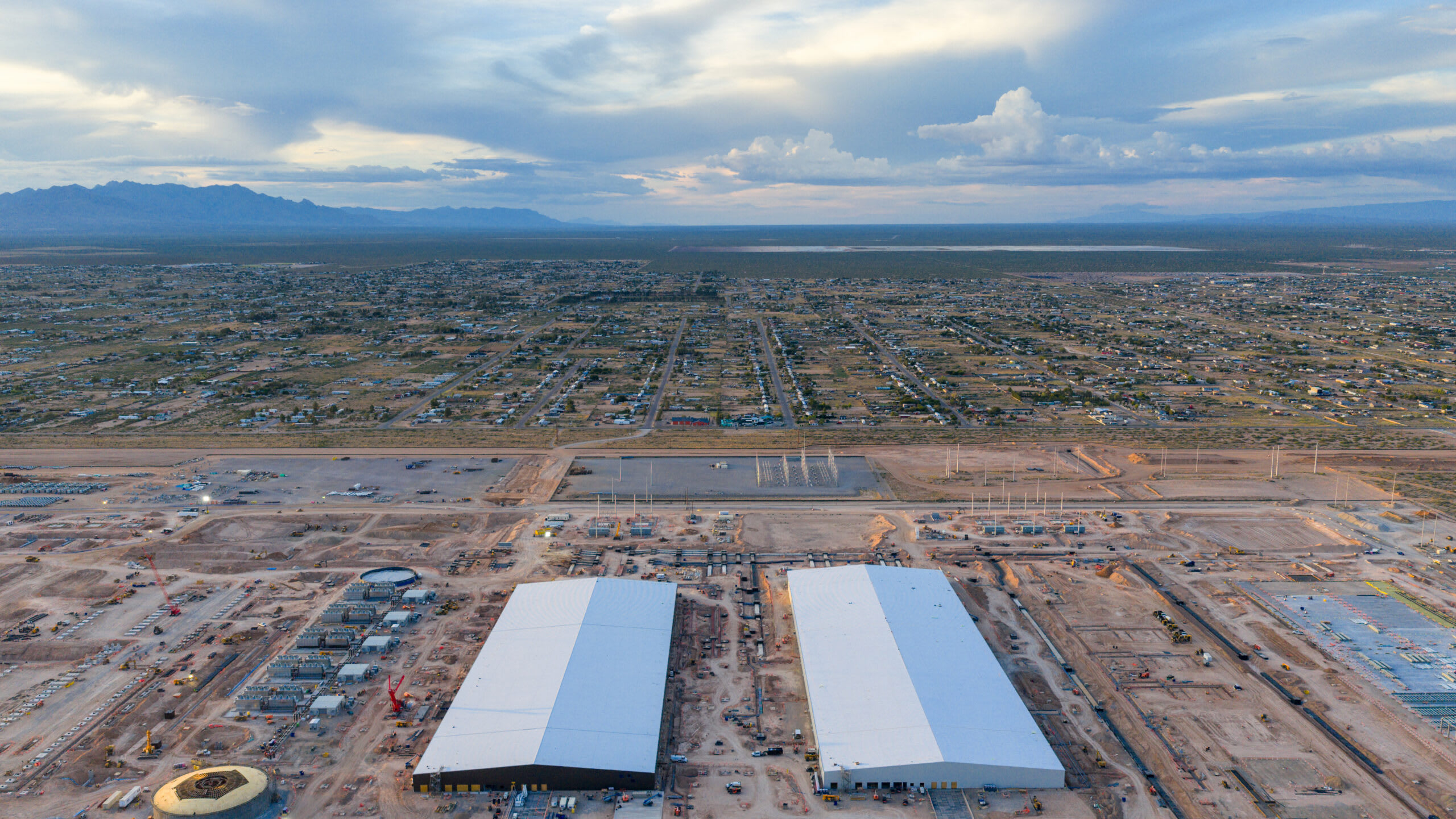
Meta is re-evaluating its 2030 net-zero goals due to a surge in greenhouse gas emissions driven by rapid AI infrastructure expansion. The company faces a difficult balancing act between its sustainability commitments and the intense energy requirements of the global AI race.
The Collision of AI Ambition and Climate Targets
Meta’s recent admission that it is "re-evaluating" its 2030 net-zero emissions goal marks a significant inflection point for the technology sector. As detailed in the company's 2026 sustainability report, Meta has experienced a record percentage increase in greenhouse gas emissions, a direct consequence of the massive energy demands required to power its burgeoning fleet of AI-focused data centers. This shift highlights a growing tension between the industry's aggressive pursuit of artificial intelligence dominance and the environmental pledges made during less carbon-intensive eras.
The Infrastructure Paradox
The root of this crisis lies in the sheer scale of modern AI infrastructure. According to Rachel Peterson and Blair Swedeen, the demand for AI-ready hardware has outpaced even the most optimistic industry projections. These facilities require immense amounts of electricity for processing and cooling, often placing an unprecedented strain on local power grids and complicating the transition to renewable energy sources. As Meta scales its compute capacity to maintain its competitive edge, the carbon footprint associated with both the construction and operation of these data centers has ballooned, rendering original 2030 milestones increasingly difficult to achieve.
Corporate Strategy vs. Environmental Reality
While Meta leadership maintains that their "long-term ambitions haven't changed," the current operating environment has forced a pragmatic reassessment. This indicates a transition from aspirational climate policy to a more complex, reality-based operational strategy. The company is now navigating a path where the rapid deployment of AI is no longer decoupled from the environmental costs, forcing executives to weigh the necessity of technological progress against the reputational and ecological risks of failing to meet climate targets.
Industry-Wide Implications
Meta’s situation is not an isolated incident but a bellwether for the entire "Big Tech" ecosystem. As other industry giants race to build and expand their own AI infrastructure, they face the same physics-based constraints regarding energy consumption. Meta's transparency in their 2026 report may prompt a broader industry reckoning, where competitors are forced to disclose similar difficulties in aligning AI growth with sustainability goals. The question now becomes whether the tech sector will choose to prioritize emission reductions at the cost of slower AI development, or if they will seek new innovations in energy efficiency to bridge the gap.
Looking Toward 2030 and Beyond
As the industry moves toward the 2030 deadline, the focus will likely shift toward carbon capture, grid-scale battery storage, and perhaps more localized energy production solutions. Meta’s pivot is a sober reminder that the digital revolution carries physical costs. The coming years will serve as a test case for whether the promise of AI can be realized without compromising the environmental health of the planet, or if the climate goals of the 2020s will need to be fundamentally redesigned to accommodate the demands of the AI era.