Meta and YouTube say they will run ads for ‘Musk’ documentary after all
Source Entity
Anthony Ha
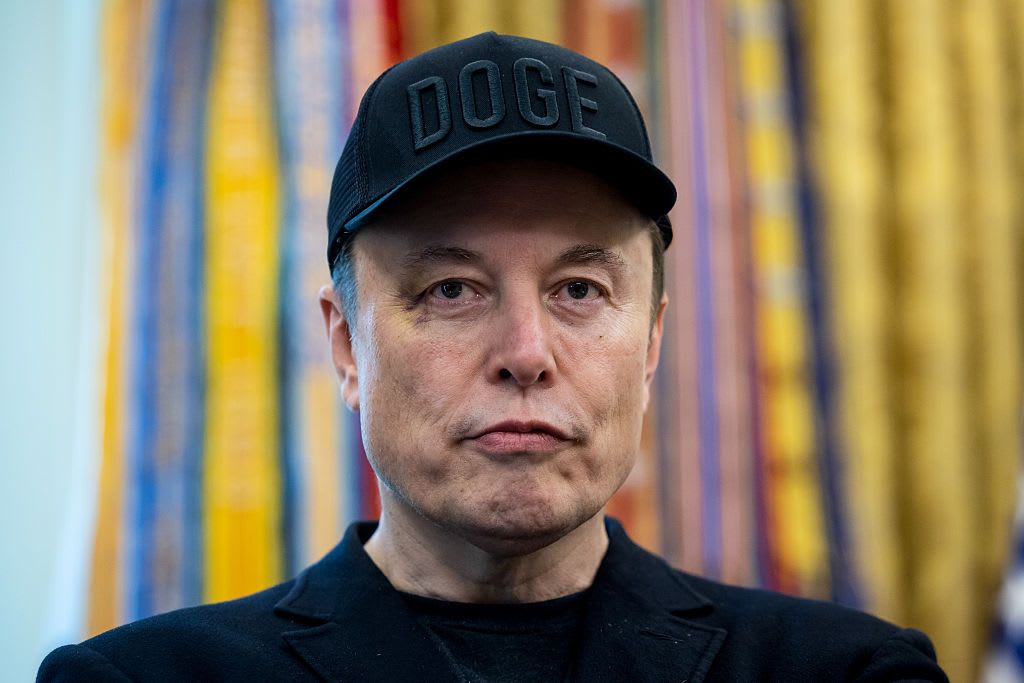
Meta and YouTube have reversed their initial decisions to block advertisements for the upcoming Elon Musk documentary by Alex Gibney. Both platforms cited internal system errors and review processes as the cause for the temporary restrictions on the promotional trailer.
The Advertising Tug-of-War: The 'Musk' Documentary Controversy
Recent reports indicate a significant shift in how major social media platforms are handling promotional content for Alex Gibney’s highly anticipated documentary, Musk. Initially, it appeared that a collective of digital giants—including Meta, YouTube, TikTok, and X—had declined to run paid advertisements for the film’s trailer. This development sparked immediate questions regarding the nature of corporate censorship and the complex relationship between social media conglomerates and the world's most prominent public figures.
The Reversal: Meta and YouTube Respond
The narrative shifted rapidly following inquiries from industry observers. Meta, the parent company of Facebook and Instagram, confirmed that the initial rejection of the advertisements was a result of an internal error rather than a deliberate policy choice against the content. Similarly, YouTube clarified that while the trailer faced temporary restrictions when submitted as a paid advertisement, the content itself remained available on the platform, suggesting that automated moderation systems may have flagged the trailer for reasons unrelated to the subject matter of the film.
Algorithmic Moderation and Human Oversight
These events underscore the growing reliance on algorithmic moderation tools to police advertising content. When high-profile figures or controversial topics are involved, these automated systems often trigger 'false positives,' leading to temporary bans or restrictions. The resolution of this specific case highlights the tension between automated safety protocols and the editorial freedom required for promotional marketing of media projects like documentaries.
The Impact on Documentary Promotion
For filmmakers like Alex Gibney, the ability to utilize digital advertising is crucial for building awareness and driving viewership. The initial refusal by multiple platforms represented a potential barrier to entry that could have significantly hampered the documentary's reach. By restoring these ads, Meta and YouTube have essentially acknowledged that the trailer does not violate their advertising policies, thereby allowing the film's promotional campaign to proceed as intended.
Broader Implications for Tech Giants
This incident serves as a case study in the power dynamics between Silicon Valley and the media industry. As platforms continue to refine their advertising policies, the transparency of their decision-making processes remains under intense scrutiny. The swift reversal by Meta and YouTube demonstrates that while these platforms possess immense control over the digital landscape, they are also susceptible to public and media pressure when their internal systems disrupt legitimate promotional activities.
Conclusion
While the initial reports suggested a coordinated effort to suppress the documentary, the subsequent clarifications from Meta and YouTube point toward systemic technical hurdles rather than a concerted campaign of censorship. Moving forward, the industry will likely watch closely to see if similar restrictions arise as the documentary approaches its wider release, highlighting the ongoing evolution of digital advertising standards in the age of high-stakes investigative journalism.