Mxc: Microsoft Execution Containers version 1.0.0
Source Entity
Hacker News
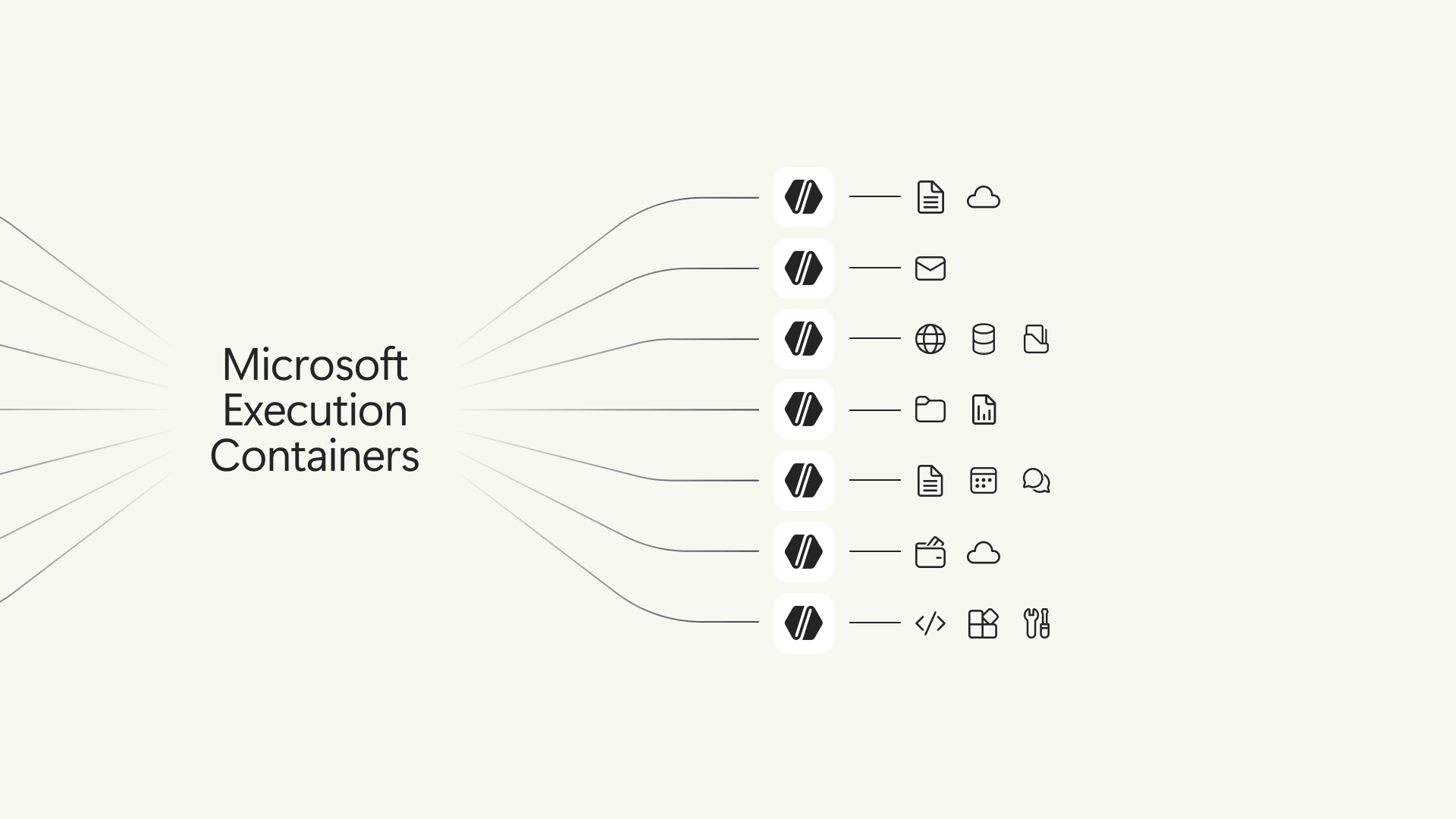
Microsoft has introduced Mxc (Microsoft Execution Containers) version 1.0.0 to securely manage AI agents in Windows. This platform capability balances productivity gains with essential security controls like containment, identity, and manageability.
Securing the Future of AI Agents with Microsoft Execution Containers
Microsoft has officially introduced Microsoft Execution Containers (Mxc) version 1.0.0, a pivotal development aimed at resolving the tension between the rapid adoption of AI agents and the stringent security requirements of enterprise environments. As AI agents become increasingly autonomous, their capacity to traverse complex file systems, internal networks, and diverse software applications creates a unique attack surface. Microsoft’s new framework seeks to move beyond the binary choice of either enabling agents for productivity or blocking them entirely for safety.
The Core Security Dilemma
Organizations today are caught in a 'security versus utility' deadlock. While AI agents offer transformative productivity gains, they often require broad permissions to function effectively. Without proper isolation, a compromised or misconfigured agent could inadvertently expose sensitive corporate data or execute unauthorized operations across a network. Mxc 1.0.0 is designed to dismantle this trade-off by embedding security directly into the Windows platform, ensuring that agents operate within a controlled and observable environment.
Key Architectural Pillars
Microsoft has identified three critical pillars for the Mxc framework: Containment, Identity, and Manageability.
- Containment focuses on the principle of least privilege, strictly limiting the scope of an agent’s actions and access rights.
- Identity ensures that an agent’s digital footprint is distinct from a human user, allowing administrators to audit and attribute actions accurately.
- Manageability provides the governance tools necessary for IT departments to monitor agent behavior in real-time, ensuring that autonomous workflows remain compliant with organizational policies.
Implications for Enterprise IT
By integrating these capabilities at the platform level, Microsoft is signaling a shift toward 'secure-by-default' AI deployment. For IT administrators, this means moving away from reactive security measures toward a proactive governance model. The ability to distinguish between human-initiated tasks and agent-led automation is a significant milestone for incident response, as it allows security teams to isolate anomalies without disrupting the entire user experience.
Future Trends and Outlook
As AI agents become a standard component of the modern workplace, the demand for standardized execution environments will likely grow. The release of Mxc 1.0.0 suggests that Microsoft intends to establish a benchmark for how AI agents should interact with operating systems. We can expect future iterations of this technology to focus on deeper integration with cloud-native security tools and more granular policy enforcement, further cementing the role of Windows as a secure hub for enterprise AI operations.
Conclusion
In summary, the launch of Microsoft Execution Containers represents a necessary evolution in software security. By providing the infrastructure to contain, identify, and manage agents, Microsoft is enabling organizations to embrace AI-driven productivity without sacrificing the integrity of their digital ecosystems. This framework is not merely a tool, but a foundational step toward a safer, more manageable future for autonomous computing.