Microsoft patches bug in video game Age of Empires II
Source Entity
Lorenzo Franceschi-Bicchierai
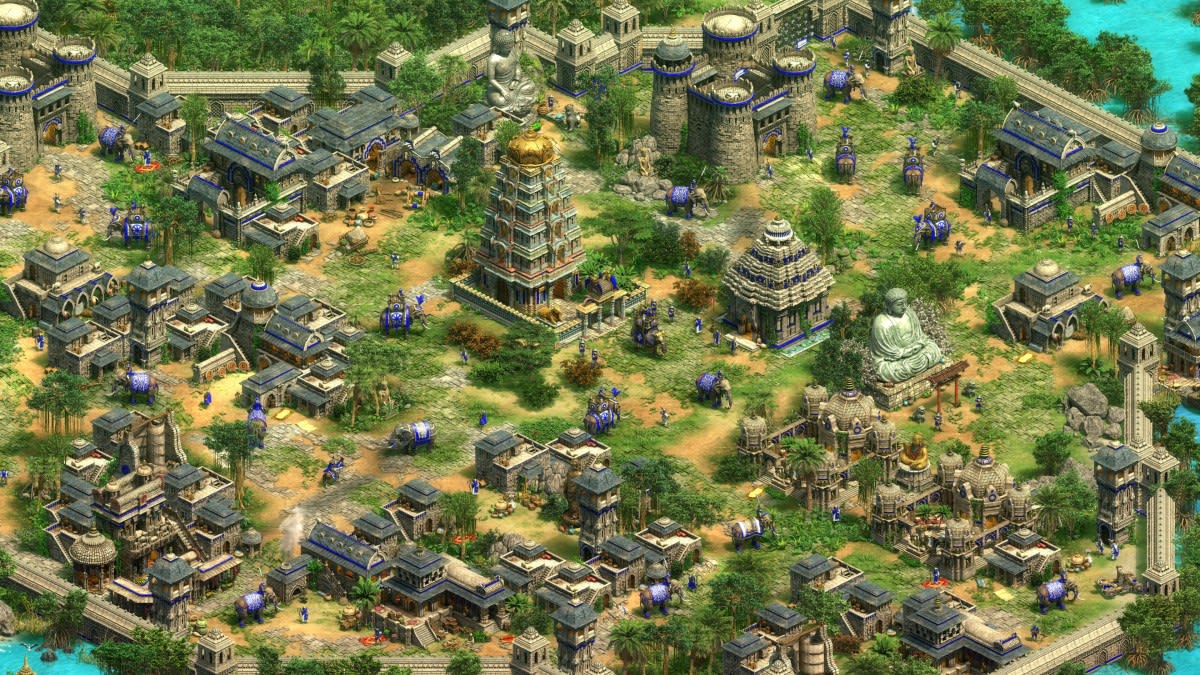
Microsoft has patched a critical security vulnerability in the classic strategy game Age of Empires II that could have allowed attackers to gain remote control of a user's computer via a malicious game invitation.
Securing a Classic: Analysis of the Age of Empires II Vulnerability
Microsoft has recently addressed a significant security flaw in the legendary real-time strategy game, Age of Empires II. The vulnerability, which stems from the way the game handles network invitations, could have potentially allowed an attacker to execute arbitrary code on a target machine. By sending a specially crafted game invite, a malicious actor could bypass standard security protocols to gain unauthorized access, highlighting the persistent danger that legacy software poses even in a modern computing environment.
The Mechanics of the Vulnerability
The core of this issue lies in the "malicious game invite" vector. In many networked games, the process of accepting an invitation involves the client software parsing data sent from a remote server or peer. If the game's code does not properly validate the length or content of this data, it can lead to a buffer overflow. This allows an attacker to overwrite memory and inject their own instructions, effectively granting them "Remote Code Execution" (RCE). In the context of Age of Empires II, this means the mere act of interacting with a fraudulent invite could compromise the entire operating system.
The Challenge of Legacy Code
Age of Empires II is a decades-old title, and while modern versions (such as the Definitive Edition) have updated graphics and engines, much of the underlying logic often retains legacy structures. Software written twenty years ago was developed in an era when the threat landscape was vastly different; the concept of "zero-trust" networking did not exist, and many security mitigations now standard in Windows—such as Address Space Layout Randomization (ASLR)—were not integrated into the original game code. This creates a "security debt" where old code becomes a playground for modern exploit kits.
Implications of System Takeover
The phrase "take over victims' computers" is not hyperbole in the realm of cybersecurity. Once an attacker achieves RCE, they can potentially install ransomware, deploy keyloggers to steal banking credentials, or enlist the machine into a botnet for Distributed Denial of Service (DDoS) attacks. Because the game often runs with user-level permissions, the attacker gains the same access as the player, allowing them to browse files, access saved passwords, and potentially pivot to other devices on the same local network.
Microsoft's Commitment to Software Lifecycle
This patch demonstrates Microsoft's ongoing commitment to the security lifecycle of its ecosystem, even for titles that are primarily considered entertainment. By patching a vulnerability in a legacy game, Microsoft acknowledges that security is not just about the latest OS update but about every entry point into a system. This proactive approach is critical because gamers often trust their game clients implicitly, making them an attractive target for social engineering attacks where a "friendly" game invite is used as a Trojan horse.
Future Trends in Gaming Security
Looking forward, this incident underscores a growing trend where gaming platforms are becoming primary vectors for sophisticated cyberattacks. As games become more integrated with social networks and cloud services, the attack surface expands. We can expect to see more rigorous security audits for "remastered" or "definitive" versions of classic games, as developers realize that bringing old code into a modern, connected world requires more than just a visual overhaul—it requires a complete security reconstruction.
Summary: In conclusion, the patching of Age of Empires II serves as a vital reminder that no piece of software is too old or too "simple" to be a security risk. By closing this loophole, Microsoft has protected thousands of players from a potentially devastating exploit, reinforcing the necessity of regular updates and a cautious approach to online interactions within gaming communities.