More migrant children in aided than in govt. schools in Keralam
Source Entity
India Latest News: Top National Headlines Today & Breaking News | The Hindu
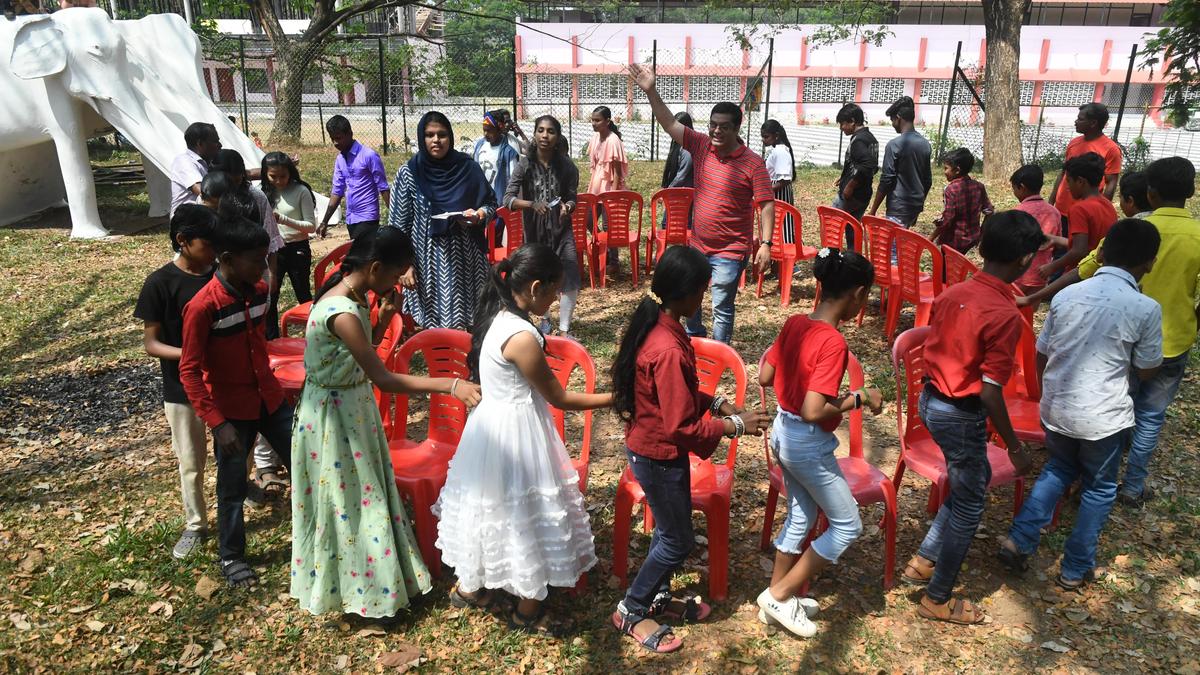
Data from Kerala's General Education department reveals that over 25,000 migrant children are enrolled in state schools for the 2025-26 academic year. Aided schools currently accommodate the majority of these students, surpassing enrollment figures in government-run institutions.
Educational Integration of Migrant Children in Kerala
Recent data released by the General Education department in Kerala highlights a significant shift in the educational landscape, confirming that the total number of migrant children enrolled in Classes I through X has surpassed 25,000 for the 2025-26 academic year. This milestone underscores the increasing demographic integration of migrant families within the state's public education infrastructure, reflecting broader socio-economic trends in the region.
Enrollment Distribution: Aided vs. Government Schools
A particularly noteworthy finding is the preference for aided schools over government institutions. According to the Statistics wing at the Directorate of General Education, 56.39% of migrant students—totaling 14,600 children—are currently enrolled in aided schools. In contrast, government institutions host 41.19% of this demographic, amounting to 10,665 students. The unaided sector accounts for only a marginal 2.43% of the total, suggesting that migrant families rely heavily on state-supported educational frameworks.
Demographic Breakdown and Statistical Context
The total cohort of 25,893 migrant students demonstrates a gender distribution of 14,172 boys and 11,721 girls. This statistical profile provides a clear snapshot of the current educational reach. The reliance on aided schools, which are privately managed but government-funded, suggests that these institutions may be more accessible or strategically located in areas with high concentrations of migrant labor, facilitating easier enrollment and retention for these families.
Socio-Economic Implications
The ability of the Kerala school system to accommodate over 25,000 migrant students is a testament to the state's inclusive educational policies. By providing structured access to schooling for the children of migrant workers, the state is effectively preventing the marginalization of these families. This integration is crucial for long-term social stability and ensures that migrant children have equitable opportunities to participate in the formal education system.
Future Trends and Policy Challenges
As the number of migrant students continues to grow, the state faces the challenge of maintaining the quality of education while managing infrastructure demands. The dominance of the aided sector in this educational drive suggests that future policy initiatives might need to focus on further incentivizing these institutions to continue their support. Monitoring these enrollment trends will be essential for the Directorate of General Education to ensure that resources are allocated efficiently to accommodate the rising influx of students in the coming years.
Verification Required?