Hurriyat Conference chairman Mirwaiz urges restraint as PoK unrest leaves 9 dead
Source Entity
NASEER GANAI
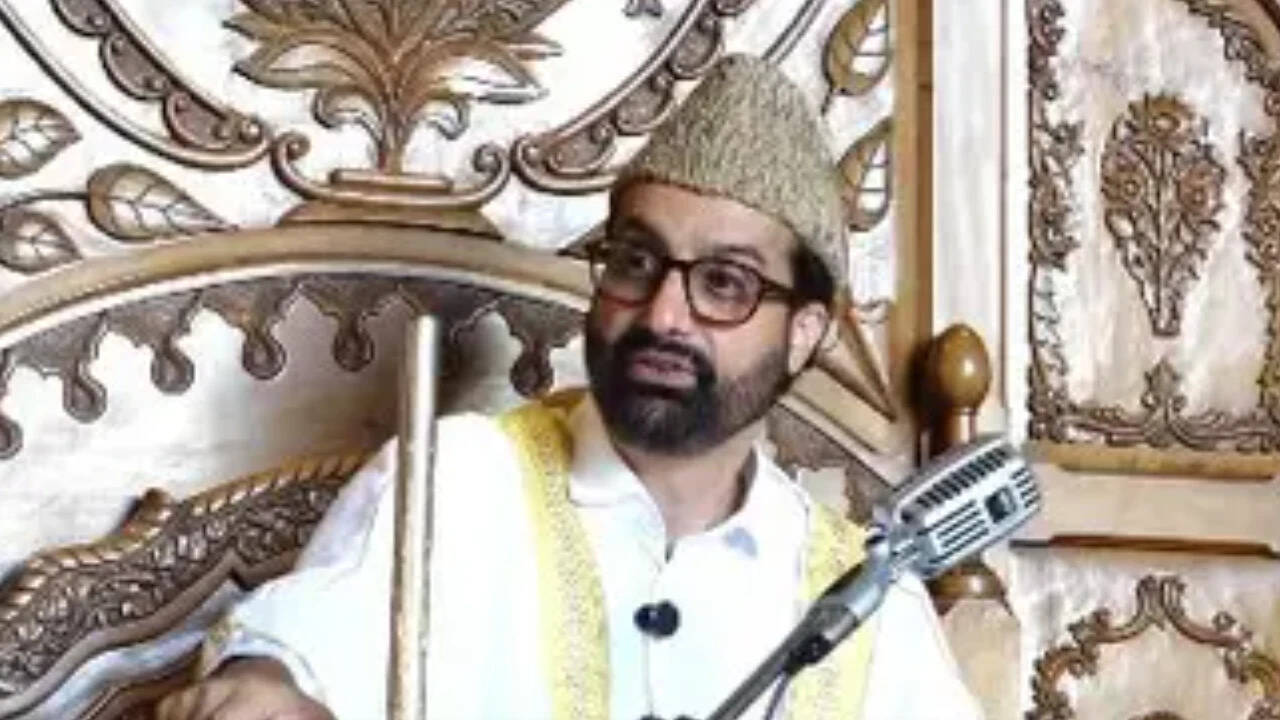
Mirwaiz Umar Farooq has called for dialogue and restraint following violent unrest in Pakistan-occupied Kashmir (PoK), where nine people have died over a dispute regarding reserved assembly seats for Kashmiri refugees ahead of the July 27 elections.
Crisis in PoK: Analysis of Unrest and the Call for Dialogue
The current state of unrest in Pakistan-occupied Kashmir (PoK) has reached a critical tipping point, marked by the tragic loss of nine lives including both civilians and police personnel. The intervention of Mirwaiz Umar Farooq, chairman of the Hurriyat Conference, underscores the gravity of the situation. By urging the Pakistani administration to defuse the violence through dialogue rather than force, Mirwaiz is highlighting a dangerous volatility in the region that threatens to destabilize the local governance structure just as the territory prepares for a pivotal electoral cycle.
The Catalyst: The Reserved Seats Dispute
At the heart of this violent upheaval is a deeply entrenched political dispute over reserved seats in the assembly designated for Kashmiri refugees. While ostensibly created to provide representation for those displaced from Indian-administered Kashmir, these seats have become a flashpoint of local resentment. Protesters argue that these reserved seats are not tools for genuine representation but are instead mechanisms used by Pakistan-based political parties to maintain a strategic grip on the assembly and ensure that the local PoK leadership remains aligned with Islamabad's interests. The demand to scrap these seats is, in essence, a demand for greater local autonomy and a rejection of external political manipulation.
Legal Deadlock and Political Escalation
The tension has been exacerbated by a recent court ruling that upheld the validity of these reserved seats. In many democratic transitions, the judiciary serves as the final arbiter of dispute; however, in this instance, the legal victory for the status quo has only served to alienate the protesting populace. When legal channels are perceived as being biased toward the central government's influence, the frustration often spills over into the streets. The clash between the judicial mandate and the popular will has created a vacuum of trust, leaving the region susceptible to the kind of violence that has already claimed nine lives.
The July 27 Election Stakes
With elections scheduled for July 27, the timing of this unrest is particularly perilous. Elections are typically periods of heightened political activity, but in PoK, they have become triggers for instability. The proximity of the vote means that both the protestors and the state are operating under extreme pressure. If the government continues to rely on security crackdowns to maintain order, there is a significant risk that the upcoming elections will be marred by boycotts or further violence, potentially delegitimizing the resulting government in the eyes of the local population.
Broader Regional and Historical Implications
Historically, PoK has navigated a complex relationship with the Pakistani state, often oscillating between nominal autonomy and direct control from Islamabad. This current crisis is a manifestation of a recurring theme: the tension between the local aspirations of the PoK residents and the strategic imperatives of the Pakistani establishment. Mirwaiz Umar Farooq's call for restraint is significant because it positions the Hurriyat Conference as a voice for peace across the divide, suggesting that the humanitarian cost of the conflict is outweighing the political maneuvering over assembly seats.
Future Trends and Predictions
Looking forward, the stability of the region depends entirely on whether the Pakistani administration shifts from a security-centric approach to a diplomatic one. If the government refuses to engage in the dialogue urged by Mirwaiz and other stakeholders, the unrest is likely to intensify as the July 27 deadline approaches. We may see an increase in civil disobedience or a widening of the protest movement to include other socio-economic grievances. Conversely, a concession regarding the reserved seats or a transparent review process could provide a necessary vent for the public's frustration and allow the electoral process to proceed peacefully.
Conclusion
The tragedy in PoK serves as a stark reminder of how administrative disputes over political representation can rapidly devolve into lethal conflict. The loss of nine lives is a symptom of a deeper systemic failure to integrate local voices into the governance of the region. For peace to be restored, the transition from street violence to assembly dialogue is not just recommended—it is essential for the survival of the region's fragile stability.