'Impossible to overstate your contribution': Putin’s birthday message to PM Modi
Source Entity
ROHITASHWA RANJAN
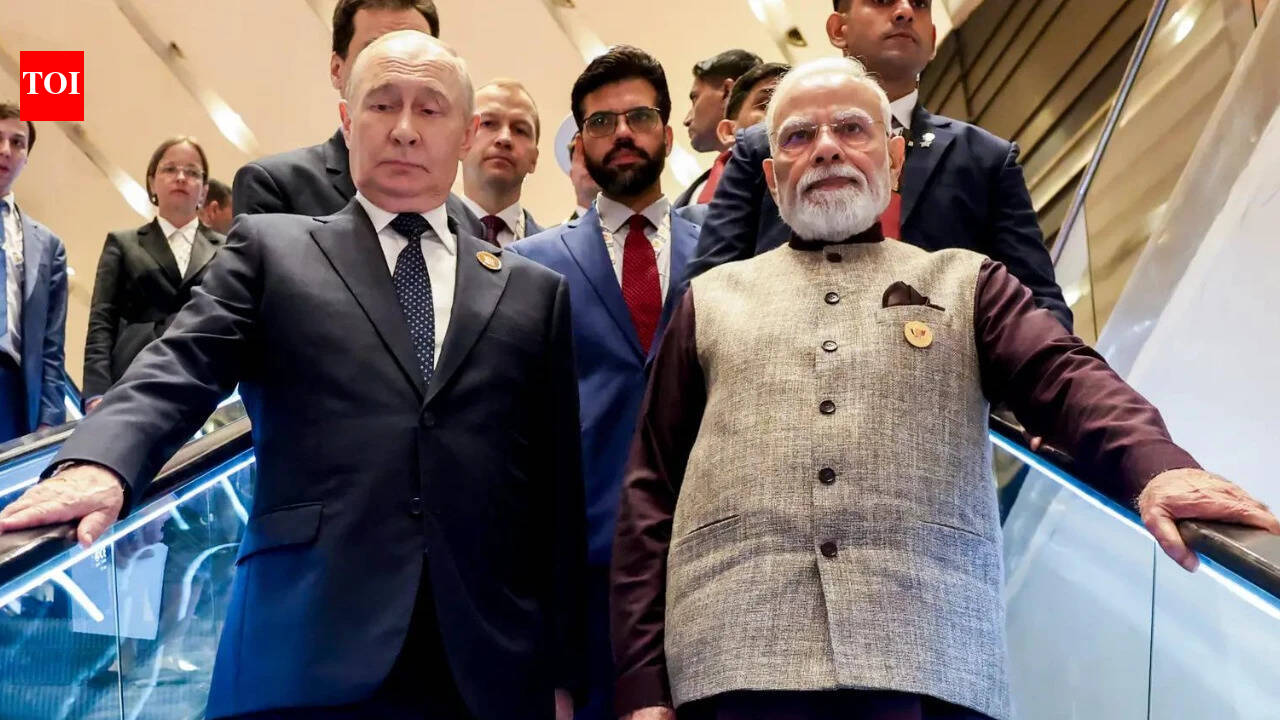
Narendra Modi marks a historic 25-year milestone as an elected head of government, transitioning from Chief Minister of Gujarat in 2001 to India's longest-serving Prime Minister. His tenure is characterized by a focus on cooperative federalism and a shift from crisis management to long-term structural development.
A Quarter-Century of Governance: The Modi Milestone
On October 7, 2024, Narendra Modi achieves a rare political milestone: 25 years of uninterrupted service as an elected head of government. This journey began in 2001, in the immediate aftermath of the catastrophic Gujarat earthquake, and has evolved into a tenure that makes him India’s longest continuously-serving elected Prime Minister. This period represents not just a long duration in office, but a fundamental shift in the administrative culture of the nation.
The Genesis: From Crisis to Command
Modi’s entry into the Chief Minister’s office on October 7, 2001, was precipitated by the devastating earthquake that struck Gujarat earlier that year. Tasked with the gargantuan challenge of reconstruction in a region plagued by water scarcity and infrastructural decay, his early governance was defined by the necessity of immediate, large-scale relief. This crucible of crisis management provided the foundation for his future approach to policy, emphasizing the necessity of resolving foundational problems that had long been considered 'impossible' or permanent.
Evolving Governance: The Gujarat Legacy
During his time in Gandhinagar, Modi focused heavily on structural solutions for the state’s chronic issues, such as water management in the Saurashtra and Kutch regions. By prioritizing small-scale, localized infrastructural works over stagnant dependence on tankers and emergency trains, he set a precedent for pragmatic governance. This period demonstrated an administrative style that sought to normalize progress, effectively making once-daunting challenges appear routine through consistent, long-term planning.
The Shift to Cooperative Federalism
As Prime Minister, Modi transitioned his focus from state-level administration to the national stage, advocating for 'cooperative federalism.' This vision, articulated at the 2015 NITI Aayog Governing Council meeting, posits that India’s growth is inextricably linked to the collective advancement of its states. Under his leadership, the central government has actively worked to resolve long-standing inter-state disputes, replacing historical friction with a framework of dialogue and formal memoranda of understanding.
The Institutionalization of Progress
The hallmark of these 25 years has been the institutionalization of long-term goals. Whether dealing with regional water crises or national federal integration, the administration has utilized the machinery of the Union Home Ministry to translate high-level policy visions into tangible outcomes. By empowering figures like Union Home Minister Amit Shah to lead these efforts, the government has moved toward a more cohesive, integrated approach to handling India’s complex internal dynamics.
Conclusion: Assessing a Legacy of Continuity
As Modi marks 4,495 days as Prime Minister, the focus remains on his role in reshaping the Indian political landscape. His career serves as a case study in political endurance and the transformation of a regional leader into a national architect. Looking forward, the legacy of this quarter-century will likely be analyzed through the lens of how successfully he bridged the gap between state-level administrative reform and national policy implementation, effectively altering the trajectory of Indian governance for the coming decades.