Proud to be ‘dimagi Naxal’: Congress’ P. Chidambaram hits back at PM
Source Entity
India Latest News: Top National Headlines Today & Breaking News | The Hindu
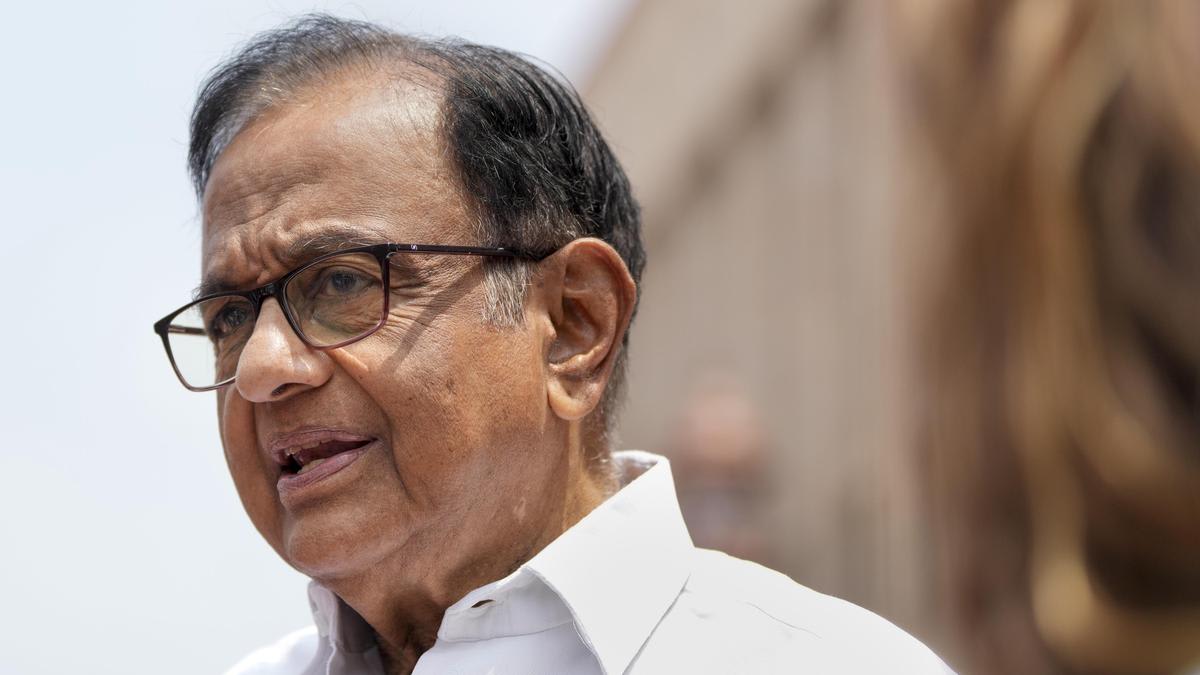
Union Minister Kiren Rijiju defended PM Modi’s Independence Day remarks, clarifying that the term 'dimagi naxals' refers to anti-national ideologies rather than political opponents. This sparked backlash from figures like P. Chidambaram and the CJP, who criticized the government for labeling dissent as ideological extremism.
The Controversy Over 'Dimagi Naxals': A Political Fallout
Following Prime Minister Narendra Modi’s Independence Day address from the Red Fort, a heated political discourse has emerged regarding his reference to ideological threats described as "dimagi naxals" (intellectual Naxals). The term, intended to highlight internal threats to national integrity, has become a flashpoint for debate between the ruling Bharatiya Janata Party (BJP) and various opposition factions.
Clarifying the Rhetoric
Union Minister for Parliamentary Affairs Kiren Rijiju stepped in to clarify the Prime Minister’s intent, specifically refuting claims that the label was aimed at opposition leaders. Rijiju utilized social media to define the characteristics of those the Prime Minister was referencing, specifically citing individuals who reject the Indian Constitution, support separatist movements, advocate for the restoration of Article 370, or promote actions that threaten the strategic connectivity of India’s North-East region. By defining these parameters, the government is attempting to pivot the conversation from political rivalry to national security concerns.
Opposition Counter-Narrative
Senior Congress leader P. Chidambaram challenged the government's stance by publicly identifying as a "Dimagi Naxal" on social media. This act of political defiance serves as a rejection of the government’s attempt to equate dissent with anti-national sentiment. By reclaiming the label, Chidambaram and other critics argue that the ruling party is delegitimizing legitimate democratic questioning and narrowing the space for constructive political debate.
Civil Society and the 'Awakening' Argument
Beyond traditional parliamentary politics, the Cockroach Janta Party (CJP), through spokesperson Saurav Das, has framed the discourse as a broader societal issue. Das argued that labeling educated, questioning youth as "Naxalis" is an attempt to suppress a growing wave of civic engagement. The CJP’s narrative suggests that the current political climate is witnessing an "awakening" of the electorate, which they believe will lead to a pushback against what they characterize as corruption and incompetence within the current administration.
Broader Implications for Democracy
This exchange highlights a deepening ideological chasm in Indian politics. The government’s focus on internal security and the preservation of national unity against perceived subversion is being framed by the opposition as an authoritarian attempt to stifle dissent. As both sides dig in, the term "dimagi naxal" has transitioned from a rhetorical device used in a national speech to a symbol of the ongoing struggle over the definition of patriotism and the limits of political opposition in India.
Conclusion and Future Trends
Looking ahead, this trend of linguistic polarization is likely to continue as political parties prepare for future electoral cycles. The government is expected to continue emphasizing the threat of "urban" or "ideological" Naxalism to solidify its base, while the opposition will likely continue to frame such rhetoric as an attack on democratic values. The intensity of this debate underscores the volatile nature of public discourse in the digital age, where single phrases can rapidly evolve into sustained ideological conflicts.
Multiple Citing Sources
Verification Required?