Need To Move To End Of War: Foreign Ministry To NDTV On PM's Ukraine Comment
Source Entity
NDTV News Search Records Found 1000
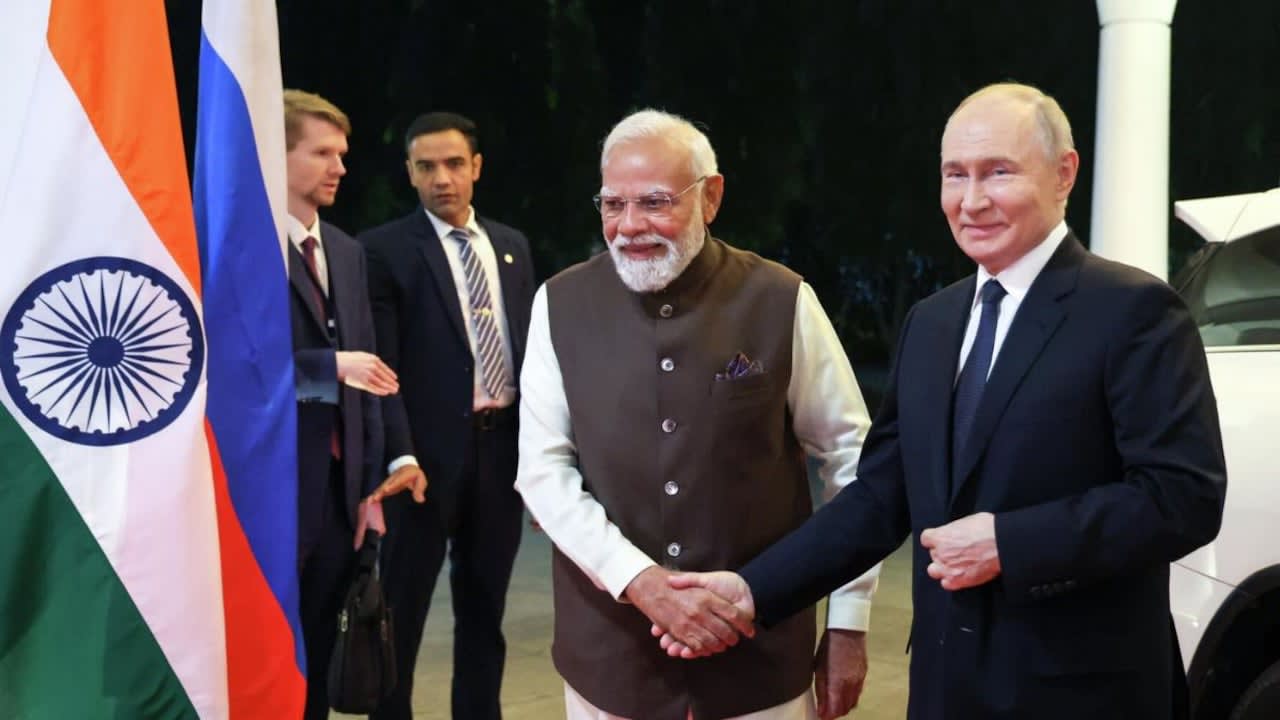
Prime Minister Narendra Modi has intensified diplomatic calls for an end to the Russia-Ukraine war, urging a transition from conflict to peace. Concurrently, discussions with Iran's President Pezeshkian emphasized regional stability, maritime security, and expanded economic cooperation via the Chabahar port.
India’s Diplomatic Push for Global Stability
Recent high-level diplomatic engagements involving Prime Minister Narendra Modi, particularly on the sidelines of the SCO summit, have underscored India's evolving role as a bridge-builder in global conflicts. PM Modi’s direct assertion to Russian President Vladimir Putin—that the world must move from an "endless war" to an "end of war"—marks a significant escalation in India's rhetoric. This stance is a consistent continuation of his earlier landmark statement that "this is not the era of war," signaling New Delhi’s growing impatience with the prolonged nature of the Russia-Ukraine conflict and its detrimental impact on global stability.
The Shift from Battlefield to Dialogue
India’s foreign policy approach has increasingly focused on the impossibility of a military solution. By reiterating to President Putin that peace talks cannot flourish amidst "bombs, guns, and bullets," Prime Minister Modi is emphasizing that the battlefield is not the appropriate venue for lasting conflict resolution. This perspective aligns with India's broader strategic interest in maintaining global supply chains and economic equilibrium, both of which are severely disrupted by the ongoing hostilities in Europe.
Strengthening Ties with Iran Amidst Regional Tensions
Parallel to his efforts regarding the Ukraine conflict, PM Modi’s meeting with Iranian President Masoud Pezeshkian highlights a dual-track strategy. The focus on the Chabahar port project serves as a cornerstone for India’s regional connectivity goals. By prioritizing maritime freedom and the protection of commercial shipping, both leaders have signaled that despite geopolitical pressures—including the threat of US sanctions—the necessity of economic integration remains a primary driver of their bilateral relationship.
Maritime Security and Global Trade
During his dialogue with President Pezeshkian, PM Modi highlighted the critical importance of protecting seafarers and civilian infrastructure. This focus on maritime security is not merely local; it reflects a broader concern for the vulnerability of international trade routes in West Asia. India’s call for peace in this region, coupled with the desire for economic cooperation, positions New Delhi as a proponent of a rule-based order where commerce can thrive without the interference of kinetic military action.
Future Trends in Indian Diplomacy
Looking ahead, India appears poised to continue its role as a neutral mediator. By maintaining open lines of communication with both Moscow and Western-aligned nations, while simultaneously fostering deeper economic ties with regional powers like Iran, India is carving out a distinct diplomatic niche. The future trajectory of this strategy will likely involve more frequent calls for diplomatic engagement as the human and economic costs of the current conflicts continue to mount globally.
Conclusion
In summary, the recent diplomatic actions of the Indian leadership reflect a comprehensive commitment to peace, both in Europe and West Asia. By advocating for an immediate end to the war in Ukraine and emphasizing the necessity of secure maritime corridors with Iran, Prime Minister Modi is positioning India as a vital stakeholder in the quest for global stability. These efforts underscore a pragmatic approach that prioritizes dialogue, economic growth, and the protection of civilian life as the primary pillars of international relations.
Multiple Citing Sources
Verification Required?