PM Modi likely to hold bilateral talks with Iranian president
Source Entity
SACHIN PARASHAR
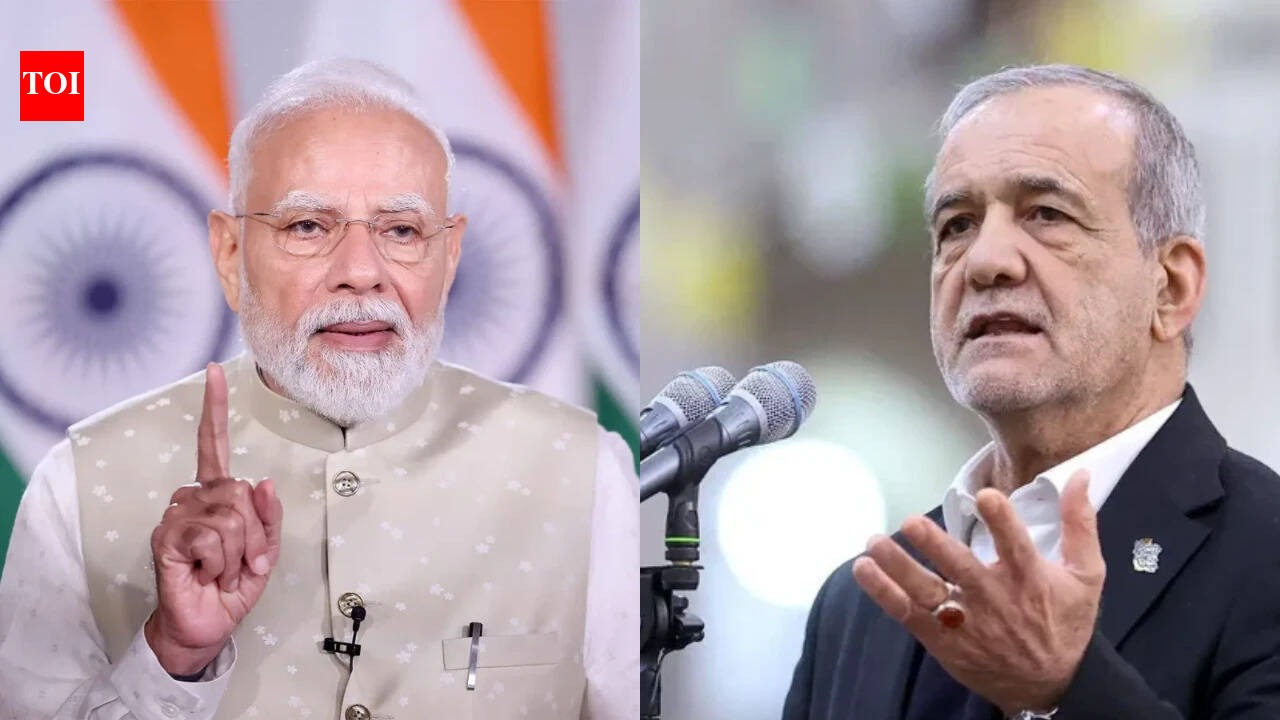
Prime Minister Modi engaged in high-level diplomacy at the SCO Summit, urging an end to the Russia-Ukraine conflict and strengthening trade ties with Iran. Discussions focused on regional stability, the Chabahar port, and the necessity of protecting maritime commerce.
India’s Diplomatic Balancing Act at the SCO Summit
At the recent Shanghai Cooperation Organization (SCO) summit in Bishkek, Prime Minister Narendra Modi engaged in a series of critical bilateral meetings that underscored India’s evolving role as a global mediator. By addressing both the ongoing Russia-Ukraine conflict and the volatile situation in West Asia, Prime Minister Modi has signaled that India is increasingly willing to leverage its strategic autonomy to advocate for global stability.
Advocating for Peace in Eastern Europe
Prime Minister Modi’s dialogue with President Vladimir Putin marked a significant continuation of India’s consistent stance on the Russia-Ukraine conflict. Having previously declared that "this is not the era of war" in 2022, Modi reiterated the urgency of transitioning from an "endless war" to an "end of war." By emphasizing that solutions cannot be found on the battlefield and that peace talks are stifled by ongoing violence, India is positioning itself as a pragmatic voice that supports dialogue over military escalation.
Strengthening Ties with Iran and the Chabahar Pivot
Simultaneously, the meeting between PM Modi and Iranian President Masoud Pezeshkian highlighted the strategic importance of the Chabahar port. Despite the complex landscape of international sanctions, both leaders reaffirmed their commitment to bilateral economic cooperation. The focus on Chabahar is not merely an economic endeavor; it is a geopolitical necessity for India to secure logistical connectivity to Central Asia and beyond, effectively bypassing regional bottlenecks.
Maritime Security and Global Trade
Central to the discussions with Iran was the issue of maritime freedom. Prime Minister Modi stressed that civilians, seafarers, and commercial infrastructure must remain protected from the fallout of regional conflicts. As West Asia faces heightened tensions, India’s insistence on the freedom of navigation and commerce reflects its broader interest in maintaining the integrity of global supply chains, which are vital for its domestic economic growth.
The Strategic Importance of Connectivity
Throughout the SCO summit, PM Modi consistently highlighted the necessity of modernizing trade and logistical connectivity. This focus serves as a cornerstone of India’s "Neighborhood First" and "Act East" policies, integrated here into the broader SCO framework. By promoting modernized trade routes, India aims to reduce the costs of commerce and enhance the resilience of its logistical networks against future geopolitical shocks.
Conclusion: A Proactive Foreign Policy
The developments in Bishkek represent a deliberate, multifaceted diplomatic strategy. By simultaneously calling for peace in Europe and fostering deep economic partnerships in West Asia, India is navigating a world defined by fragmentation. The request for India to act as a mediator in regional conflicts serves as a testament to the nation’s growing stature and the international community’s recognition of its unique ability to engage with diverse global stakeholders.
Multiple Citing Sources