Morgan Stanley's Adam Jonas lays out how SpaceX can unlock a long-term bullish stock move
Source Entity
Yahoo Finance
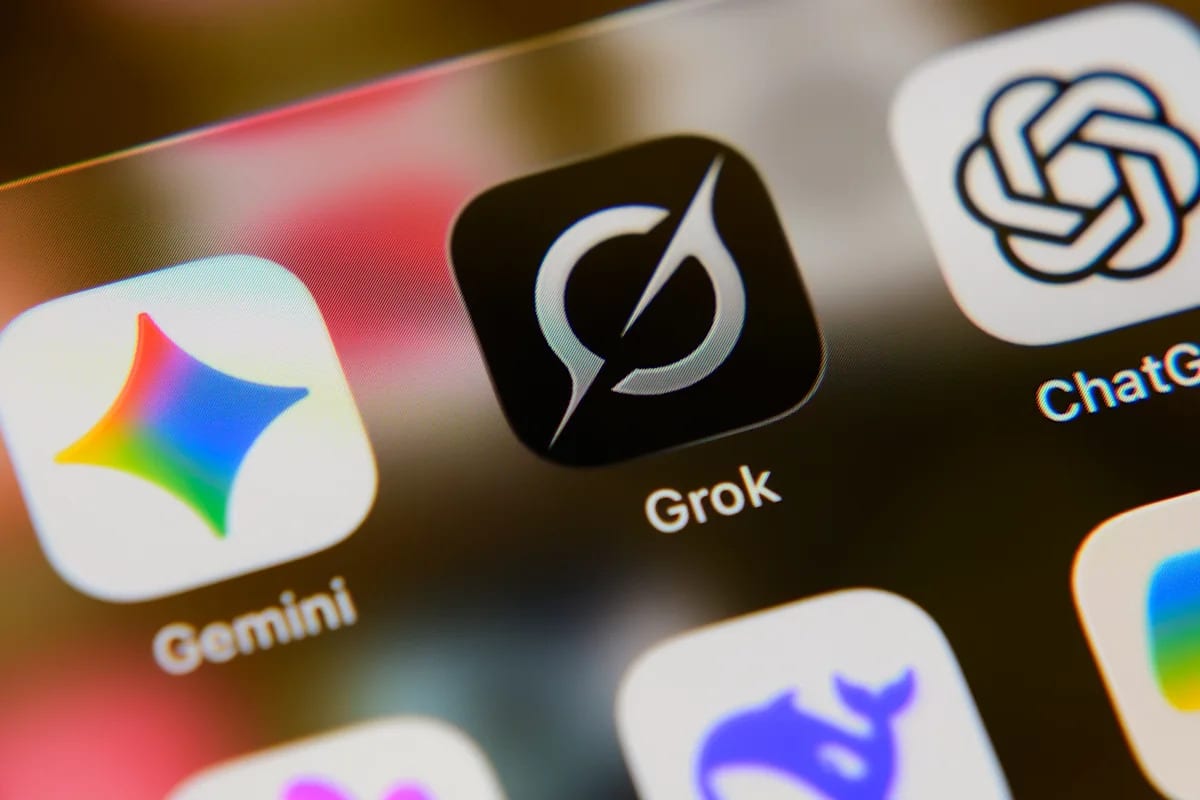
Morgan Stanley analysts are pushing for clearer evidence of scalability for both SpaceX's AI initiatives and Tesla's Robotaxi program. Investors are currently seeking proof that these high-tech ventures can translate into tangible, long-term enterprise value.
The Dual Challenge: Evaluating SpaceX and Tesla's AI Ambitions
Recent commentary from Morgan Stanley analysts Adam Jonas and Andrew Percoco underscores a pivotal moment for the Elon Musk-led corporate ecosystem. While the market remains fascinated by the technological frontier, the focus has shifted from speculative potential to concrete execution. For both SpaceX and Tesla, the core challenge lies in convincing institutional investors that their respective AI and robotics initiatives are not merely experiments, but scalable, value-generating business models.
SpaceX and the 'Neocloud' Threshold
Adam Jonas’s analysis of SpaceX’s recent launch of the 'Grok Bot' beta—available to premium subscribers—highlights a critical valuation hurdle. Jonas argues that for SpaceX to transcend its perception as a 'neocloud' provider, it must prove its ability to deliver products that compete directly with established frontier AI models. The Grok Bot, designed to orchestrate agents and tools within a virtual environment, represents a strategic attempt to integrate intelligence, real-time data, and scalable compute. The underlying goal is to build an enterprise-grade platform that leverages SpaceX’s unique global connectivity.
Tesla’s Scaling Test: Beyond the Hype
Similarly, Tesla faces a heightened expectation regarding its Physical AI strategy. While investors have reacted positively to the adoption rates of Full Self-Driving (FSD) software, analyst Andrew Percoco notes that this sentiment is tempered by concerns over capital expenditure and cash flow. The market is no longer satisfied with the mere existence of the Robotaxi or the Optimus humanoid robot programs; they require definitive evidence of scaling. The transition from prototype to mass-market utility remains the primary test for Tesla's long-term valuation.
The Intersection of AI and Infrastructure
Both companies are effectively attempting to bridge the gap between abstract AI capabilities and physical infrastructure. SpaceX is utilizing its connectivity and compute assets, while Tesla is betting on the deployment of autonomous vehicles and robotics. The common thread is the need for these firms to demonstrate that their AI investments will yield a meaningful return on investment (ROI) that justifies the current high levels of spending.
Investor Sentiment and Future Trends
Looking ahead, the trend for these companies will be defined by their ability to provide transparent metrics. Investors are increasingly wary of 'AI-washing' and are demanding a clear line of sight toward profitability. As Tesla navigates its cash flow pressures and SpaceX refines its enterprise software offerings, the ability to execute on these roadmaps will dictate their stock performance. The shift from 'sales job' to 'evidence-based' reporting will likely be the defining theme for these companies in the coming quarters.
Conclusion
Morgan Stanley’s dual focus on SpaceX and Tesla reflects a broader shift in the tech market. The honeymoon phase for AI-centric announcements is waning, replaced by a rigorous demand for operational maturity. For Musk’s companies, the path forward is clear: integrate AI into the physical and digital infrastructure in a way that is not only innovative but also economically scalable.