In Morocco, scandal is weakening the king’s shaky rule
Source Entity
Latest News: Todays Latest News Headlines from India & World | Hindustan Times | Hindustan Times
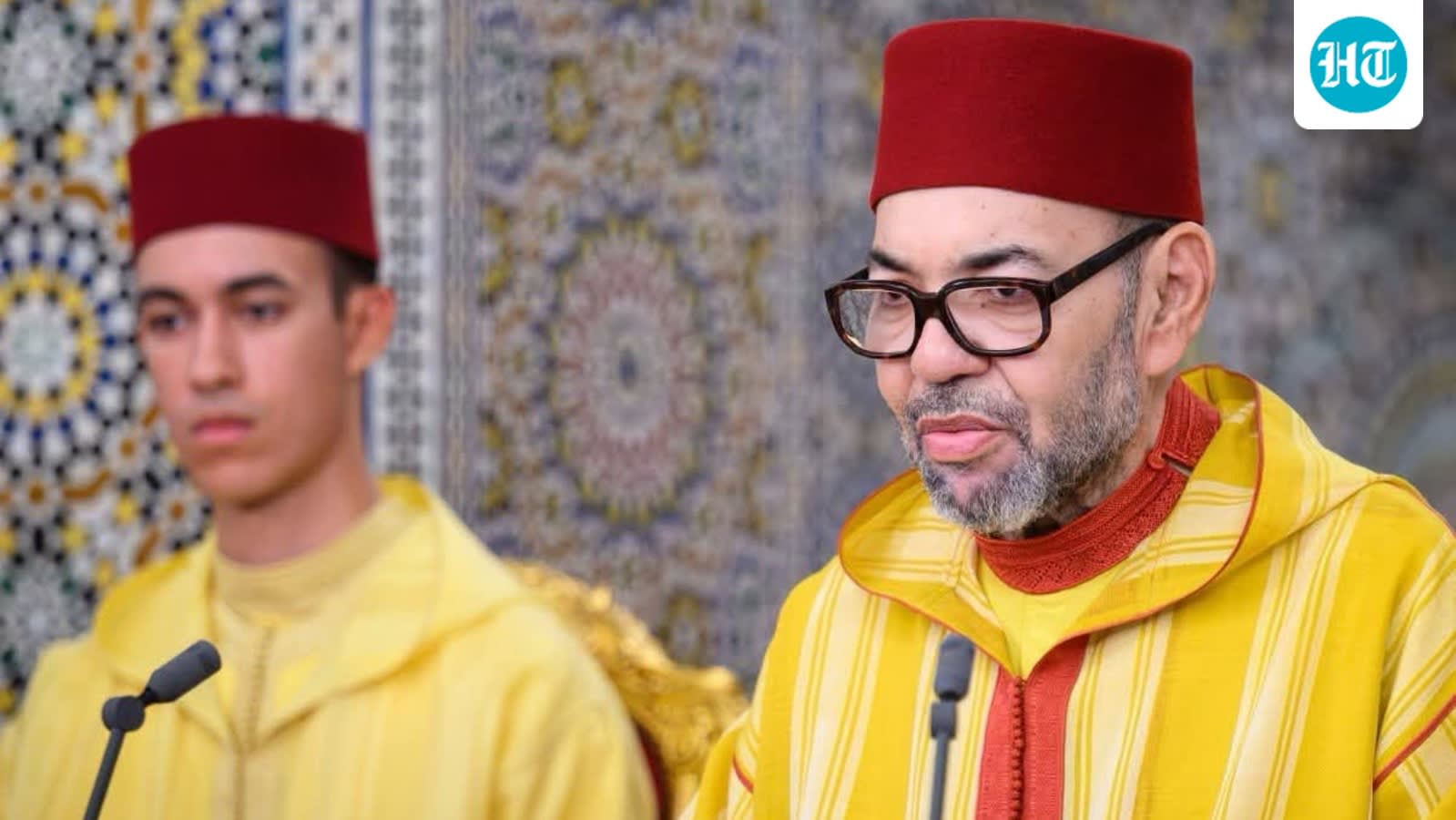
Morocco faces internal instability as mass migration to the Spanish enclave of Ceuta highlights growing disillusionment with King Muhammad VI's rule. Despite the nation's image of stability, economic despair is driving citizens to risk their lives to escape.
The Crisis of Legitimacy in Morocco
The recent events surrounding 'Throne Day' on July 30th serve as a stark indicator of the growing disconnect between the Moroccan monarchy and its citizenry. While King Muhammad VI engaged in traditional rituals of power, including the ceremonial hand-kissing by the nation’s elite, a vastly different reality unfolded just miles away. The sight of the royal motorcade navigating empty highways to maintain the appearance of sovereignty contrasted sharply with the desperate exodus of over 70,000 citizens toward the Spanish enclave of Ceuta.
Migration as a Form of Protest
The mass migration event, fueled by rumors on social media that borders were open, represents more than just a search for economic opportunity; it is a profound indictment of the current administration. By choosing to flee toward Europe via foot, rail, and dangerous sea crossings, these citizens signaled a rejection of the status quo. The tragic loss of approximately 100 lives during this flight underscores the extreme level of desperation permeating the populace, who prioritize the risks of illegal migration over the perceived stability of the monarch's realm.
The Illusion of Stability
On paper, Morocco is frequently lauded as a model of Arab stability and modernization. However, the events in Mdiq and Ceuta suggest that this stability is increasingly superficial. The king’s reliance on traditional displays of fealty appears to be losing its efficacy, especially among the youth and the impoverished who feel excluded from the nation’s modernization efforts. When citizens are more motivated by the prospect of reaching a foreign enclave than participating in the national oath of allegiance, the social contract is fundamentally fractured.
The Failure of Political Mechanisms
Looking ahead, the upcoming elections are unlikely to provide the necessary relief or structural change required to address this systemic discontent. If the political apparatus remains subservient to the monarchy without addressing the underlying economic and social grievances, the cycle of disillusionment will likely accelerate. The government’s inability to prevent such a massive, spontaneous migration event demonstrates a significant breakdown in state control and public trust.
Future Implications for the Monarchy
As the divide between the royal elite and the impoverished masses widens, the monarchy faces a period of unprecedented scrutiny. Historically, the King’s authority has been bolstered by his position as a unifying figurehead, but this narrative is being challenged by the harsh realities of unemployment and poverty. Future trends suggest that unless the state adopts substantive reforms that translate into tangible economic benefits for the common citizen, the monarchy may find its influence further eroded by the very people it claims to lead.
Conclusive Summary
In summary, the events surrounding the July 30th Throne Day highlight a kingdom in turmoil. The contrast between the elite’s ritualistic loyalty and the people’s desperate flight to Ceuta reveals a deep-seated instability. With elections looming and the public trust at a nadir, the Moroccan state faces a critical test of its ability to adapt or risk further decline in the face of widespread social unrest.
Verification Required?