Mortgage demand from homebuyers drops 19% from a year ago, as interest rates surge abruptly higher
Source Entity
US Top News and Analysis
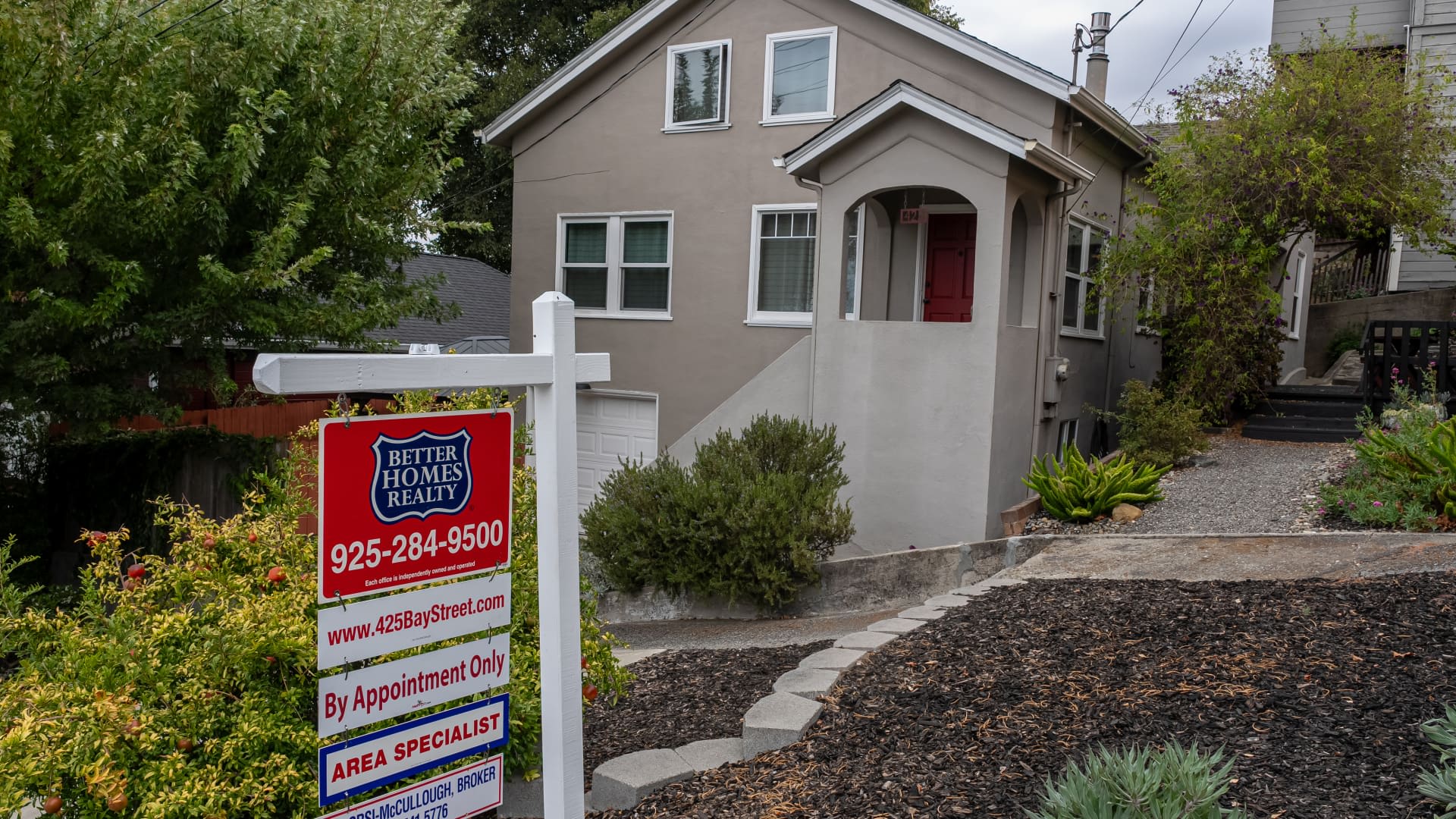
Mortgage demand has plummeted 19% year-over-year as interest rates climb above 7%, sidelining potential buyers. In response, home builders are increasingly slashing prices on new properties despite rising construction costs.
The Cooling Housing Market: A Surge in Rates
The domestic housing market is currently experiencing a significant contraction as mortgage demand plummeted by 19% compared to the same period last year. This sharp downturn is directly attributable to a sudden and aggressive surge in interest rates, which have reached their highest levels since the beginning of 2025. Data provided by the Mortgage Bankers Association indicates a 4.1% weekly decline in application volume, signaling that both prospective homebuyers and existing homeowners are choosing to retreat from the market.
The Mechanics of Rising Interest Rates
The financial landscape for borrowers has shifted dramatically. The average contract interest rate for a 30-year fixed-rate mortgage has climbed to 6.97%, accompanied by an increase in points to 0.72. These figures reflect a broader economic trend where the cost of borrowing has become prohibitively expensive for the average consumer. By the close of last week, daily surveys indicated that rates had breached the psychological 7% threshold, further suppressing market activity and discouraging new loan originations.
Impact on Residential Construction
The distress in the mortgage market has inevitably bled into the new construction sector. As potential buyers become increasingly spooked by the cost of financing, home builders are finding it difficult to maintain pricing power. Despite the persistent challenge of rising construction costs, a growing number of developers are resorting to price cuts to stimulate demand. This trend highlights a fundamental misalignment between the costs of building new inventory and the current purchasing power of the American consumer.
Broader Economic Implications
This cooling trend carries significant weight for the broader economy. The housing sector is a traditional engine of domestic growth; when demand stalls, it impacts secondary industries ranging from real estate brokerage to home improvement and retail. The current environment suggests a period of stagnation where prospective buyers are forced to the sidelines, waiting for a stabilization of rates that currently shows little sign of materializing in the immediate term.
Future Outlook and Market Trends
Looking ahead, the trajectory of the housing market will remain tethered to interest rate volatility. Should rates remain elevated above the 7% mark, it is likely that builders will continue to offer incentives and price reductions to move inventory. Conversely, if the macroeconomic environment forces a shift in fiscal or monetary policy, we may see a thaw in demand. For now, however, the combination of high borrowing costs and builder price-slashing paints a picture of a market in a defensive posture, bracing for continued uncertainty.