‘Raisins, figs, dates…’: Mountaineer cautions trekkers against eating too many nuts at high altitudes
Source Entity
The Indian Express
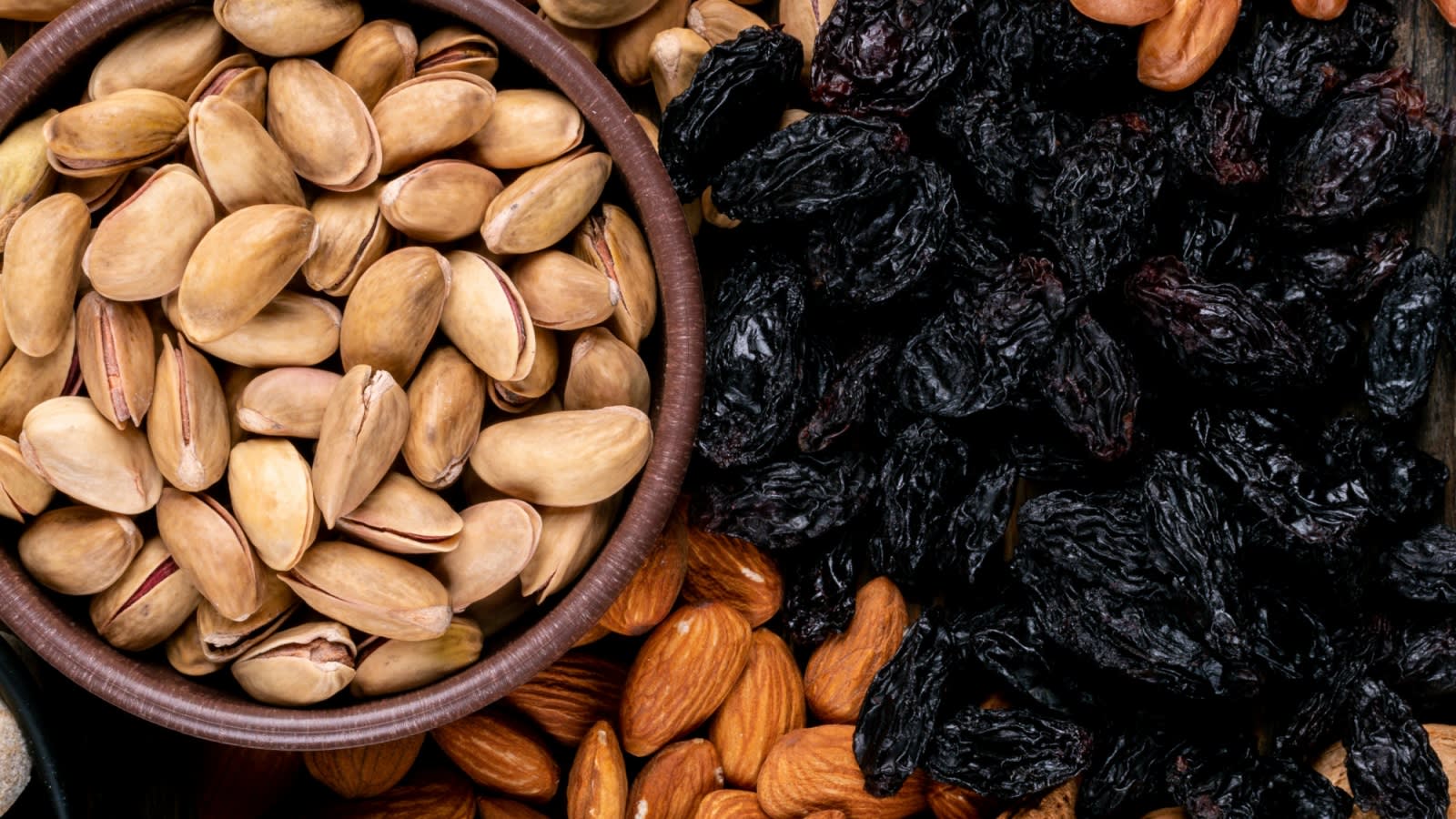
Mountaineer Premlata Agrawal warns trekkers against excessive nut consumption at high altitudes due to digestion challenges. She recommends prioritizing dried fruits like raisins and dates for better energy management in thin air.
Nutrition at High Altitude: Expert Insights from Premlata Agrawal
Mountaineer Premlata Agrawal, renowned as the first Indian woman to conquer the Seven Summits, has provided critical dietary guidance for high-altitude trekking. In her recent advisory, she distinguishes between the metabolic impact of dried fruits versus nuts, emphasizing that understanding these nutritional categories is essential for physical performance in challenging mountain environments.
The Digestibility Factor
Agrawal highlights that while both nuts and dried fruits are popular trail snacks, they interact with the body differently at high altitudes. Nuts such as almonds, cashews, pistachios, and walnuts are energy-dense but require significant digestive effort. In environments where oxygen levels are lower and the body is already under physiological stress, the digestive system often slows down, making the breakdown of these fats and proteins more taxing for the trekker.
The Role of Hydration
One of the most vital takeaways from Agrawal’s counsel is the inextricable link between nut consumption and hydration. Because nuts are dense and low in moisture, they require substantial water intake for proper digestion. At high altitudes, where the risk of dehydration is already elevated due to dry air and increased respiration rates, consuming excessive nuts without adequate water can exacerbate fatigue and digestive discomfort.
Prioritizing Dried Fruits
In contrast to nuts, Agrawal suggests that dried fruits—specifically raisins, figs, dates, and apricots—serve as more efficient fuel sources for trekkers. These items provide quick-release carbohydrates, which are easier for the body to process while undergoing the physical strain of climbing. By shifting the balance toward these fruits, trekkers may experience more consistent energy levels without the heavy digestive burden associated with nuts.
Broader Implications for Mountaineers
This advice serves as a reminder that mountaineering is as much about metabolic management as it is about physical stamina. The high-altitude environment forces the body to prioritize oxygen delivery to vital organs, often at the expense of non-essential functions like digestion. By selecting foods that are easier to metabolize, climbers can mitigate the risk of altitude-related illness and maintain the endurance required for long-duration expeditions.
Conclusion
Premlata Agrawal’s expertise, forged on the highest peaks of the seven continents, underscores the importance of nutritional strategy in extreme sports. While nuts remain a valuable source of nutrients, their consumption must be tempered by an awareness of altitude-induced physiological changes. Trekkers are encouraged to heed this advice and, as always, consult with health professionals to tailor their dietary plans to their specific physical requirements.