MP hospital sends woman’s corpse home in garbage-collection vehicle: ‘No budget for hearse’
Source Entity
Anand Mohan J
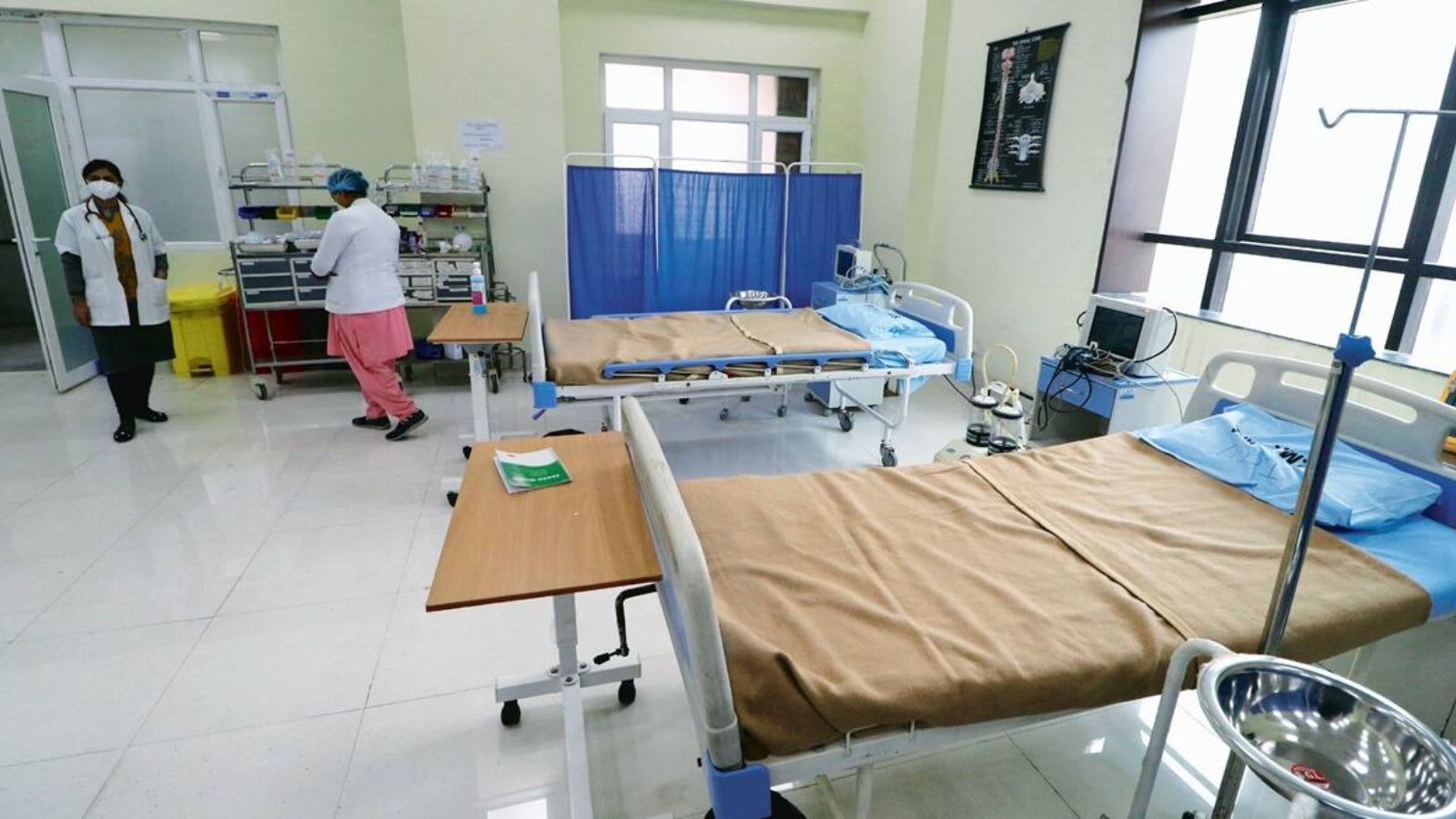
A deceased woman's body was transported in a garbage vehicle from a Madhya Pradesh hospital due to a lack of hearse facilities. The incident highlights critical infrastructure gaps in civil healthcare services.
The Chhatarpur Incident: A Failure of Dignity
The recent incident in Chhatarpur, Madhya Pradesh, where the body of Rukhsana Khan was transported from a civil hospital in a municipal garbage vehicle, has ignited a firestorm of controversy. Rukhsana, who had been reported missing since July 4, was discovered at a garbage dump on August 5. Following the discovery, police initiated a post-mortem examination based on suspicions of murder. However, the subsequent handling of her remains by the Bada Malhera Civil Hospital has drawn widespread condemnation for the perceived lack of sensitivity and basic facilities.
Infrastructure Gaps and Administrative Negligence
At the core of this tragedy is a systemic failure in public health infrastructure. Hospital authorities have acknowledged the absence of a dedicated hearse, citing that they have repeatedly requested such a vehicle from higher authorities without success. This exposes a dangerous gap between administrative planning and ground-level medical requirements in rural or semi-urban civil hospitals. When essential services like dignified transport are treated as optional rather than mandatory, it compromises the fundamental human right to a respectful post-mortem process.
The Intersection of Crime and Healthcare
Because Rukhsana Khan’s death is being treated as a potential murder, the hospital’s role was not merely medical but part of a judicial process. The reliance on a municipal garbage vehicle to transport a victim of a crime underscores a lack of protocol for handling medico-legal cases. When law enforcement and medical facilities fail to coordinate on the logistics of transporting evidence—in this case, human remains—they risk not only public outcry but also potential procedural lapses that could impact the integrity of the investigation.
Socio-Economic Realities in Rural Healthcare
The family's inability to arrange for a private hearse highlights the socio-economic vulnerabilities of the region. In many parts of India, rural populations rely entirely on government-provided facilities for the most basic services. When these institutions fail, families are left in a state of helplessness, forced to accept undignified solutions that exacerbate their grief. This incident serves as a stark reminder that 'healthcare' must extend beyond the examination room to include the logistical support required to manage the final stages of a patient's journey.
Broader Implications and Future Trends
This event is likely to trigger a review of medical transport policies across Madhya Pradesh. As public awareness grows, there is an increasing demand for accountability in the administration of civil hospitals. Future trends suggest that state governments will face mounting pressure to decentralize the procurement of essential medical equipment, ensuring that hospitals have the autonomy or the immediate support to manage critical infrastructure needs. Failure to address these gaps will continue to erode public trust in government-run medical institutions.