MP's housing assistance scheme for ST students: Check eligibility & application process
Source Entity
TOI REAL ESTATE DESK
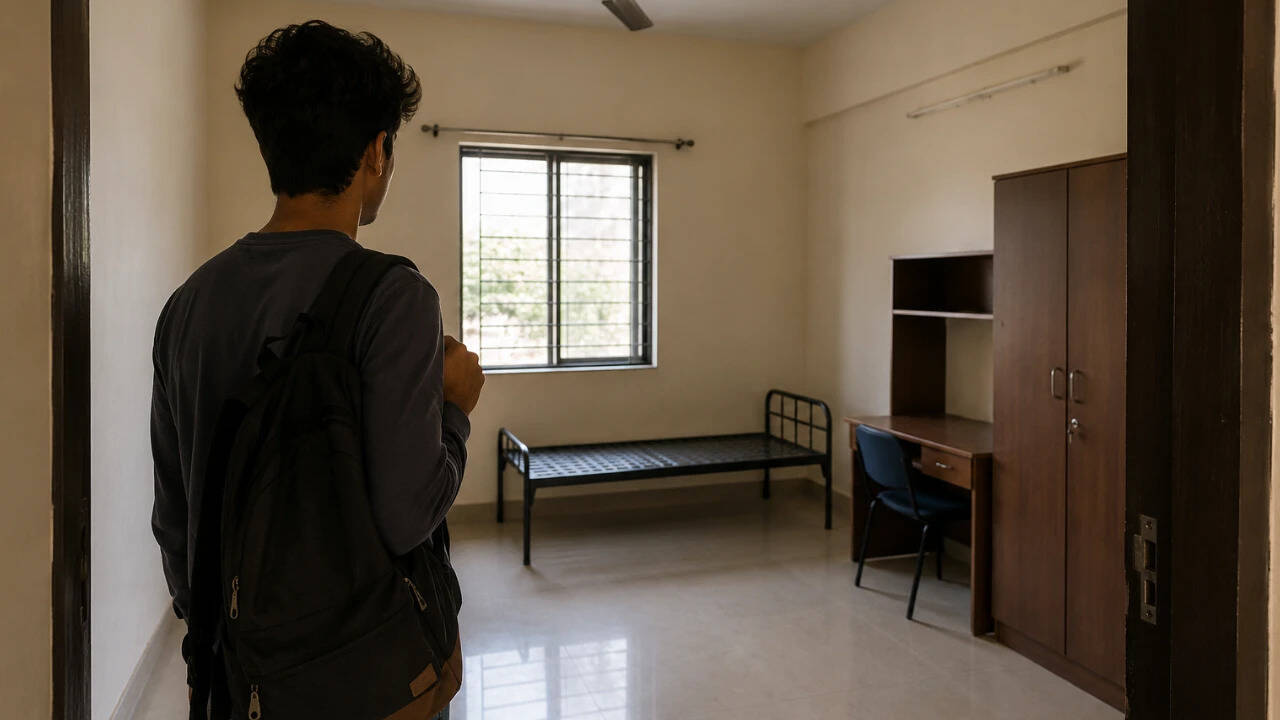
In Madhya Pradesh, a supportive initiative offers housing assistance to Scheduled Tribe students who are studying away from their homes. Monthly financial aid is provided to eligible students based on the educational institution's location. To qualify, students must be natives of Scheduled Tribes, have completed Class 12, and be enrolled in higher education.
Empowering Tribal Education: Analysis of MP's Housing Assistance Scheme
Introduction
The government of Madhya Pradesh has introduced a targeted housing assistance scheme designed to bridge the educational gap for students from Scheduled Tribe (ST) communities. By providing monthly financial aid to those pursuing higher education away from their home districts, the state is addressing one of the most significant barriers to academic advancement: the cost of living. This initiative is not merely a financial handout but a strategic intervention aimed at increasing the Gross Enrolment Ratio (GER) in higher education among marginalized tribal populations.
Understanding the Eligibility and Framework
To ensure the aid reaches the most deserving candidates, the scheme mandates strict eligibility criteria. Applicants must be natives of Scheduled Tribes and have successfully completed their Class 12 education. The requirement for enrollment in a higher education institution ensures that the funds are directly tied to academic progression. A critical feature of this scheme is the tiered financial aid model, where the monthly stipend is determined by the location of the educational institution. This recognizes the varying costs of living between rural towns and major urban centers, ensuring that students in expensive metropolitan areas are not disproportionately burdened.
Addressing the Socio-Economic Barriers to Education
For many ST students in Madhya Pradesh, the transition from secondary to higher education is often hindered by the lack of affordable housing in urban hubs. Many tribal communities reside in remote or forested areas where higher education facilities are scarce, forcing students to migrate. The cost of renting a room, combined with tuition and food, often makes university education an impossible dream for first-generation learners. By subsidizing housing, the state government is effectively reducing the financial risk for families, encouraging them to send their children—particularly girls—to pursue degrees that can break the cycle of generational poverty.
Historical and Regional Context
Madhya Pradesh has one of the largest tribal populations in India, with a rich cultural heritage but historically lagging indicators in literacy and professional qualification. Previous government efforts have focused on primary and secondary schooling through residential schools (Ashram schools). However, the 'drop-out' rate often spikes after Class 12 due to the sudden increase in costs associated with college. This housing scheme represents an evolution in policy, shifting the focus from basic literacy to professional empowerment, acknowledging that a high school diploma is no longer sufficient for competitive employment in the modern economy.
Broader Implications for Social Mobility
The long-term implication of this scheme is the creation of a more educated tribal middle class. When students are provided with stable housing, their academic performance typically improves due to a reduction in stress and an increase in study time. As more ST students graduate from higher education, there is a ripple effect within their home communities; these graduates often serve as role models and mentors, inspiring younger generations to pursue academic excellence. This systemic shift is crucial for integrating tribal populations into the mainstream economic fabric of the state and the country.
Future Trends and Implementation Challenges
Looking forward, the success of this initiative will depend on the efficiency of the application process and the transparency of fund disbursement. There is a growing trend toward the digitalization of welfare schemes in India (Direct Benefit Transfer), and it is expected that this scheme will leverage such technology to minimize leakages. Future iterations of the program may expand to include stipends for textbooks or digital devices, recognizing that housing is only one part of the educational ecosystem. If implemented effectively, this model could serve as a blueprint for other states with significant tribal populations to combat educational inequality.
Conclusion
In summary, Madhya Pradesh's housing assistance scheme for ST students is a vital step toward achieving educational equity. By removing the physical and financial barrier of housing, the state is investing in the human capital of its most vulnerable citizens. While the immediate result is financial relief for students, the ultimate goal is the socio-economic upliftment of the Scheduled Tribe communities, ensuring that talent and ambition are not stifled by a lack of affordable shelter.