‘On-campus religiosity on the rise’: Gujarat university professor writes to V-C seeking ban on pujas
Source Entity
Aditi Raja
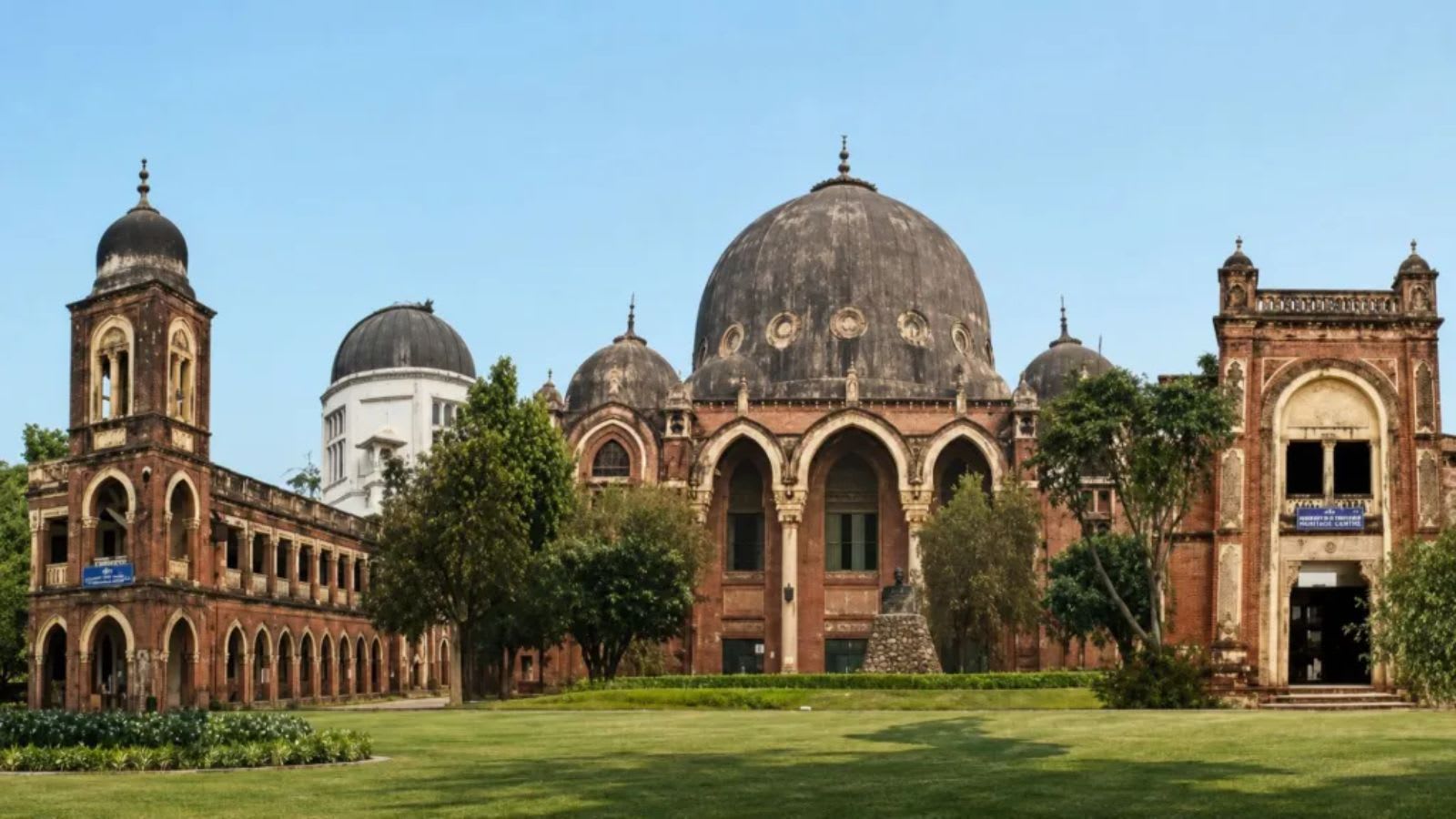
A professor at MS University in Gujarat has formally requested a ban on religious rituals and symbols on campus, citing constitutional secularism. The move has sparked a significant debate regarding the intersection of traditional practices and academic neutrality in public institutions.
The Intersection of Secularism and Campus Tradition
The recent controversy at Maharaja Sayajirao University of Baroda (MS University) centers on a formal request by Jagrut Gadit, the Head of the Department of Electrical Engineering, to the Vice-Chancellor, Prof. BM Bhanage. Gadit has advocated for a total ban on religious activities—including pujas, aartis, and kathas—as well as the display of religious symbols within the university premises. This request follows his refusal to participate in a lamp-lighting ceremony held during the undergraduate orientation program on August 4 and 5.
Constitutional Conflict and Academic Freedom
At the heart of Gadit's argument is the interpretation of the Indian Constitution’s commitment to secularism. He contends that public universities, as state-funded institutions, must maintain a neutral ground that fosters open inquiry rather than reinforcing specific religious traditions. By introducing rituals into formal academic events, critics argue that the university risks alienating students and staff from diverse backgrounds, potentially creating an environment where academic merit is overshadowed by performative religiosity.
The Role of Rituals in Indian Higher Education
Lamp-lighting, often referred to as 'Deep Prajwalan,' is a deeply ingrained cultural tradition in many Indian academic institutions, frequently used to inaugurate events. While proponents view it as a secular cultural symbol representing the dispelling of darkness (ignorance) with light (knowledge), others like Gadit view it as an overtly religious act. This divide highlights a growing friction between traditional cultural expressions and the modern, secular expectations of a public-funded university system.
Institutional Neutrality and Campus Climate
The request to ban not only rituals but also the display of religious symbols suggests a desire for a strict 'separation of church and state' model within the university. If implemented, such a policy would require a significant shift in the operational culture of the institution. The challenge for the university administration lies in balancing the preservation of traditional cultural practices that many faculty and students value, against the need to ensure an inclusive space that adheres strictly to secular constitutional values.
Future Implications for Academic Governance
This debate at MS University is likely to serve as a bellwether for other public universities across India. As institutions navigate the complexities of identity and tradition, administrators will be forced to develop clearer policies regarding the use of religious imagery and rituals in public academic spaces. The Vice-Chancellor's response will be critical in setting a precedent for how public institutions handle the fine line between tradition and institutional secularism, potentially leading to a broader national conversation on the character of Indian higher education.