'If pardoned for one murder, I'd shoot Gyanesh': VIP chief targets CEC over SIR row
Source Entity
ROHITASHWA RANJAN
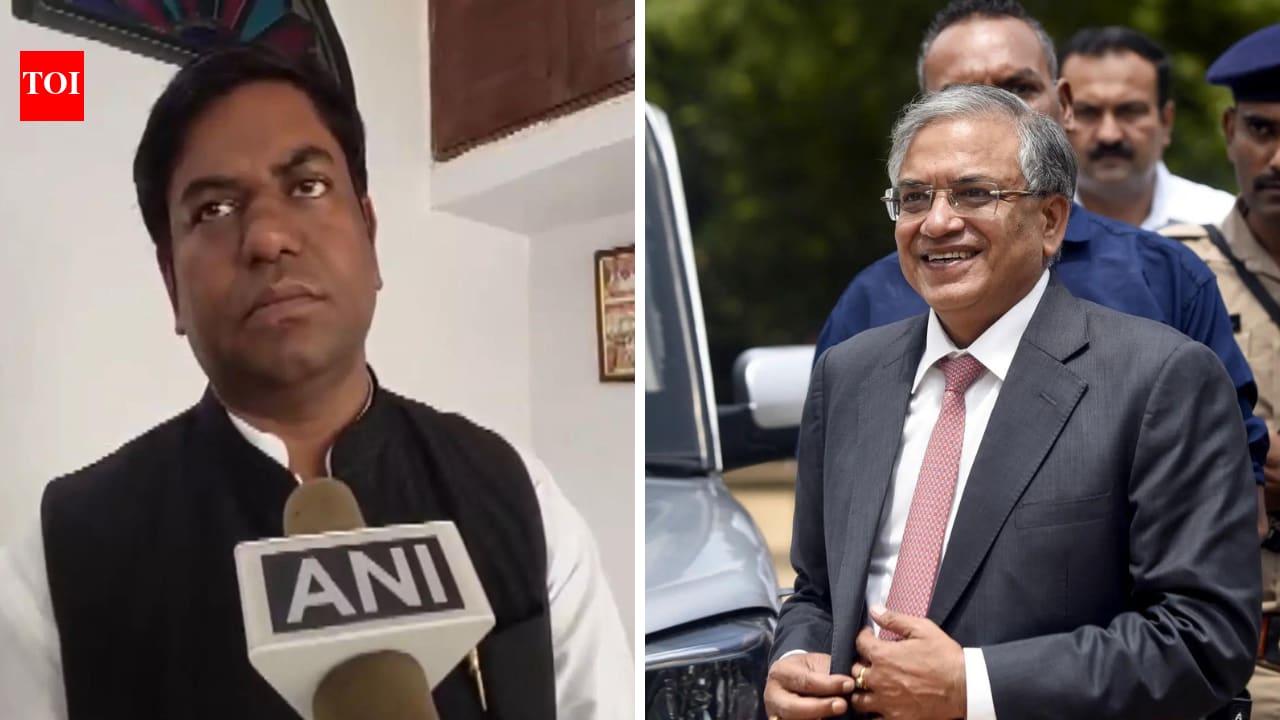
Vikassheel Insaan Party (VIP) chief Mukesh Sahani has sparked controversy by making inflammatory remarks against Chief Election Commissioner Gyanesh Kumar. The comments, made amid allegations of the Election Commission acting under BJP influence, have drawn sharp criticism for their violent nature.
Political Tensions Escalate: The Controversy Surrounding Mukesh Sahani and the CEC
On September 24, 2026, the political discourse in Bihar reached a volatile peak when Mukesh Sahani, chief of the Vikassheel Insaan Party (VIP), made inflammatory remarks targeting Chief Election Commissioner (CEC) Gyanesh Kumar. Sahani, a former Bollywood set designer turned politician representing Extremely Backward Class (EBC) interests, claimed that if he were granted immunity for a murder, the first person he would target is the CEC. While he immediately qualified his statement by asserting that he and his party remain law-abiding citizens who respect the Constitution, the severity of the rhetoric has sent shockwaves through the political establishment.
Origins of the Conflict: Allegations of Partisanship
The root of this hostility lies in Sahani's vocal dissatisfaction with the Election Commission's recent handling of electoral processes and internal controversies, specifically regarding the 'SIR' row. Sahani has explicitly accused the Election Commission of functioning as an extension of the Bharatiya Janata Party (BJP). By characterizing the constitutional body as an arm of a political party, Sahani is attempting to delegitimize the commission's neutrality, a cornerstone of Indian democracy, and is framing his opposition as a fight for fairness within the electoral system.
The VIP's Political Base and Rhetorical Strategy
Mukesh Sahani’s political identity is intrinsically linked to his representation of the Nishad and Mallah communities, which constitute approximately 9% of the population in his region. By positioning himself as a champion for these fishermen and boatmen sub-castes, Sahani uses high-stakes, aggressive rhetoric to signal his commitment to his constituents. His warning that members of the Election Commission could face legal consequences—including imprisonment—following the 2029 elections serves as a long-term strategic threat intended to keep the pressure on current institutional figures.
Institutional Defense and Constitutional Integrity
In response to these allegations, the Election Commission has maintained a firm stance, defending the integrity of its processes. The commission asserts that internal disagreements are a natural component of its decision-making and that all actions taken are in strict adherence to legal compliance. By emphasizing that its operations are governed by law rather than political influence, the commission seeks to distance itself from the partisan labels applied by political figures like Sahani.
Broader Implications for Electoral Discourse
The usage of such violent metaphors in public discourse, even when tempered by a disclaimer of being 'law-abiding,' poses a significant challenge to the norms of political conduct in India. When political leaders target constitutional authorities with threats, it risks eroding public trust in the institutions responsible for overseeing the democratic process. As the 2029 election cycle looms, the trend of increasing hostility toward regulatory bodies suggests a period of heightened friction between political parties and the institutions tasked with maintaining the rule of law.
Future Trends and Conclusion
Looking ahead, it is likely that the Election Commission will face continued scrutiny as political parties seek to leverage institutional criticism for electoral mobilization. The case of Mukesh Sahani highlights the precarious balance between holding institutions accountable and crossing the threshold into dangerous, anti-democratic rhetoric. Moving forward, the effectiveness of the Election Commission will depend on its ability to transparently address concerns regarding its independence while navigating an increasingly polarized political environment.