CNG prices hiked: Mumbai Metropolitan Region to now pay more from October 1
Source Entity
Ishika Gupta
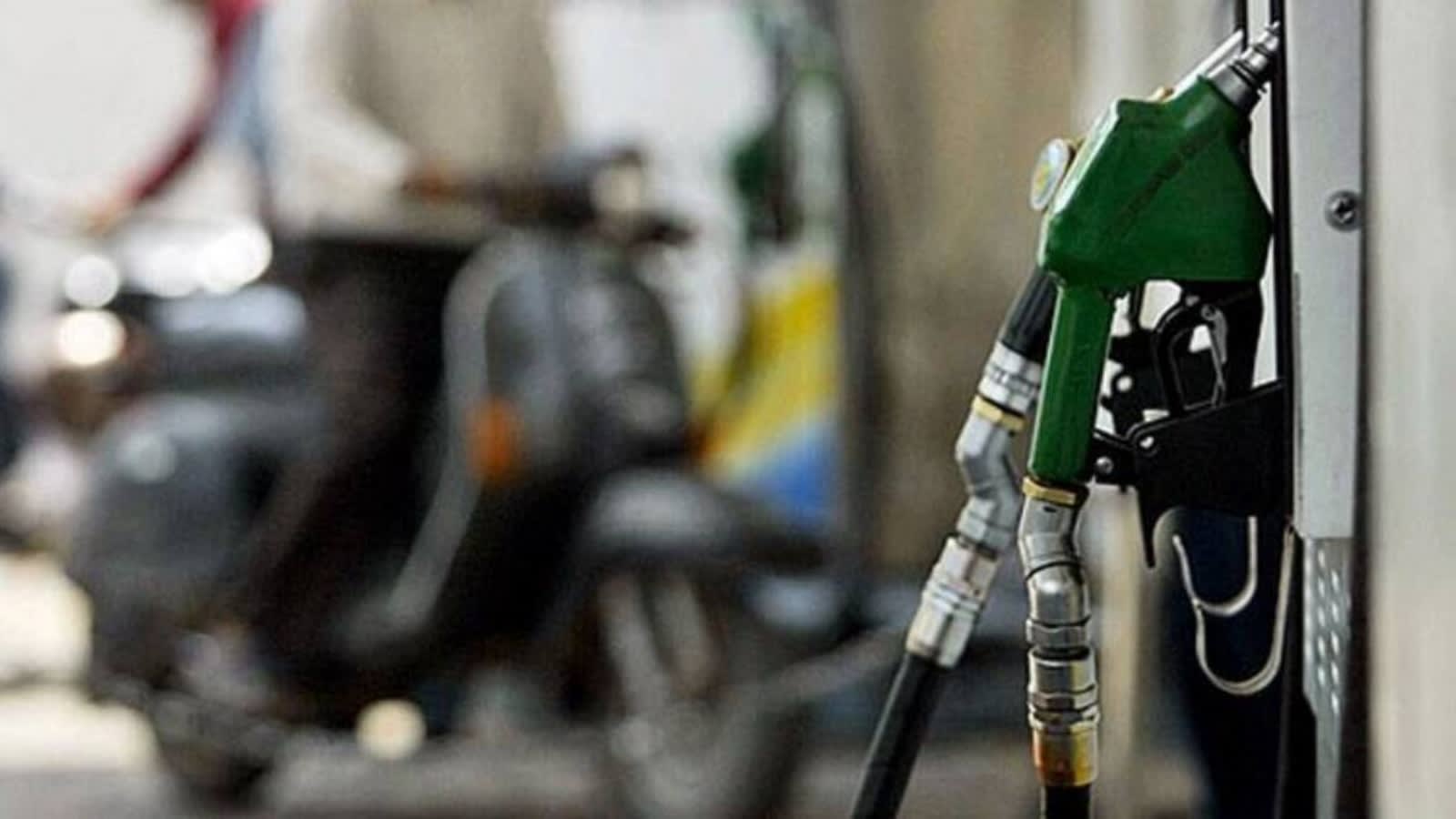
Mahanagar Gas Limited has increased CNG prices in the Mumbai Metropolitan Region by Re 1 per kg, effective October 1. The hike is driven by rising input costs for domestic gas and imported RLNG amid geopolitical instability.
Impact of CNG Price Hike in the Mumbai Metropolitan Region
Starting October 1, residents and commercial commuters across the Mumbai Metropolitan Region (MMR) are facing an increase in fuel costs as Mahanagar Gas Limited (MGL) raised Compressed Natural Gas (CNG) prices by Re 1 per kilogram. This adjustment brings the retail price to Rs 89 per kg, marking a shift in the operational costs for thousands of vehicle owners who rely on CNG as a cleaner and more economical alternative to petrol and diesel.
The Drivers of Price Volatility
MGL has explicitly attributed this upward revision to the escalating costs of input gas. The energy sector is currently grappling with a dual-pressure environment: the rising cost of domestically produced gas and the volatility in the global market for Regasified Liquefied Natural Gas (RLNG). As domestic production struggles to keep pace with the surging demand for cleaner fuels in urban centers, the reliance on imported spot RLNG has become a structural necessity rather than a marginal choice.
Geopolitical Influence on Energy Costs
A critical factor in this price adjustment is the ongoing crisis in West Asia. Global energy markets are highly sensitive to regional instability in major producing territories, which directly impacts the supply chain logistics and the pricing of imported natural gas. Because India imports a significant portion of its energy requirements, the premiums paid for spot RLNG have risen, forcing utility providers like MGL to pass a portion of these costs to the end consumer to maintain operational viability.
Strategic Demand Challenges
The company noted that a larger share of the increased demand for CNG in the MMR is being met through spot RLNG purchases. Unlike long-term contracts that offer price stability, spot market procurement is highly susceptible to price shocks. This shift highlights a broader challenge in India's energy transition: while the push to adopt CNG is strong for environmental reasons, the infrastructure remains vulnerable to global price fluctuations that are outside the control of domestic utility companies.
Broader Economic Implications
For the average consumer in Mumbai, this hike represents a direct impact on the cost of living, particularly for those utilizing public transport like auto-rickshaws and taxis, which are primarily CNG-driven. Historically, CNG has been promoted as a cost-effective fuel to combat urban air pollution. However, as the price gap between CNG and traditional liquid fuels narrows, the economic incentive for fleet operators to switch to or maintain CNG vehicles may face scrutiny.
Future Outlook and Sustainability
Looking ahead, the volatility in gas prices underscores the urgent need for diversifying energy sources and increasing domestic production efficiency. As the Mumbai Metropolitan Region continues to expand, the demand for affordable, reliable, and clean fuel will only grow. Future trends suggest that unless there is a stabilization in global RLNG prices or a significant breakthrough in local gas availability, consumers may continue to witness periodic adjustments in fuel pricing reflecting the complex interplay between local demand and international geopolitical realities.