SUV at 140kmph crashes on Mumbai-Goa highway; 3 of family and driver dead
Source Entity
GEORGE MENDONCA AND MATEEN HAFEEZ
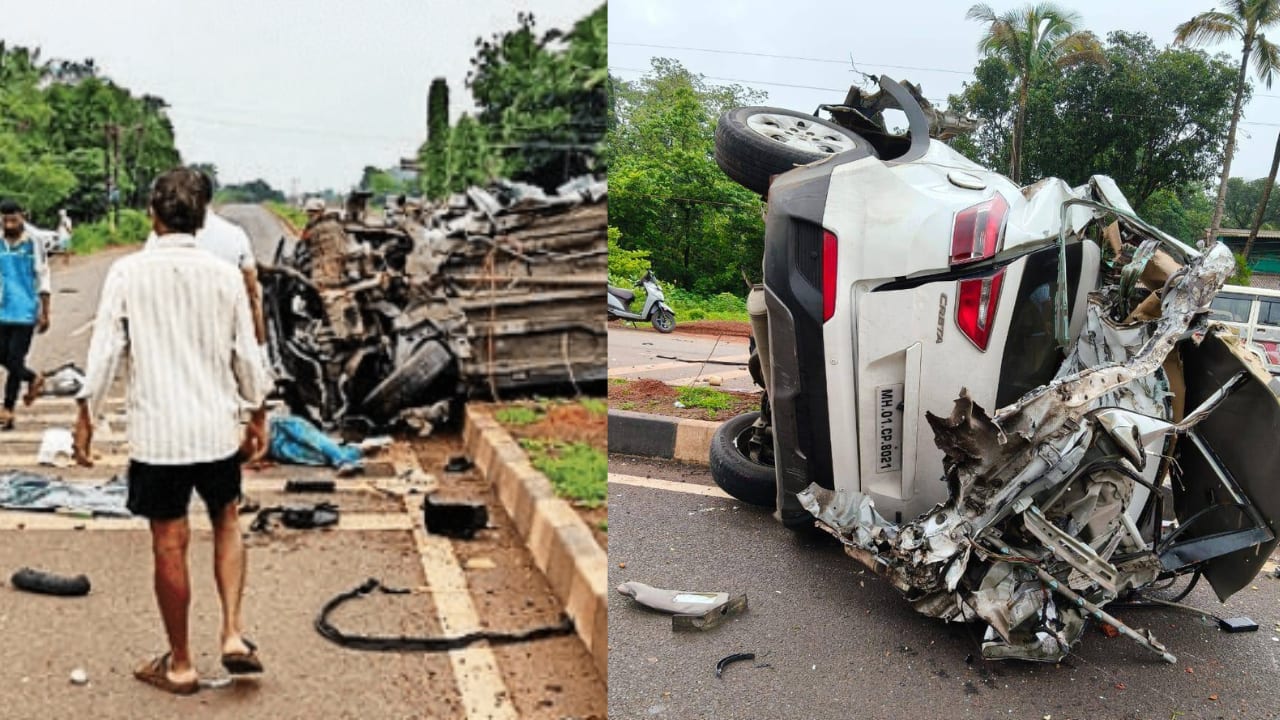
A horrific accident on the Mumbai-Goa highway resulted in five deaths, including four family members and a driver, when an SUV traveling at 140kmph collided with a parked dumper truck. The groom of a newly married couple survived but sustained severe injuries.
Tragedy on the Mumbai-Goa Highway: A Detailed Analysis of a Fatal Collision
In a devastating turn of events, what was meant to be a celebratory journey for a newly married couple ended in a catastrophic road accident on the Mumbai-Goa highway. The incident, which claimed the lives of four family members and the vehicle's driver, underscores the lethal combination of excessive speed and hazardous road obstructions. The groom, the sole survivor among the passengers, remains in critical condition, highlighting the sheer violence of the impact.
The Physics of High-Speed Impact
The reported speed of the SUV—140kmph—is significantly above the legal speed limits for Indian national highways. At such velocities, the kinetic energy involved in a collision increases exponentially, leaving virtually no room for corrective steering or effective braking once an obstacle is sighted. When the SUV struck the stationary dumper truck, the sudden deceleration likely caused an immediate and total collapse of the vehicle's passenger cabin, which explains the high fatality rate among the occupants. This incident serves as a grim reminder that safety features in modern SUVs are often bypassed when speeds reach such extreme levels.
The Menace of Parked Heavy Vehicles
Beyond the issue of speeding, this accident brings into sharp focus the systemic danger posed by illegally or dangerously parked commercial vehicles on high-speed corridors. The presence of a dumper truck parked on the highway created a 'fixed object' hazard, which is one of the most deadly types of road accidents. In many regions along the Mumbai-Goa route, heavy vehicles often park on the shoulders or partially on the main carriage-way due to a lack of designated lay-bys. This negligence by commercial drivers transforms a transit route into a minefield for passenger vehicles, especially during night travel or in low-visibility conditions.
Infrastructure and Corridor Risks
The Mumbai-Goa highway is one of India's most frequented tourist routes, characterized by a mix of ghat sections, urban bottlenecks, and open stretches. While the open stretches often tempt drivers to accelerate, they are frequently plagued by inconsistent signage and poorly managed traffic flow. The lack of stringent enforcement regarding 'no-parking' zones on the highway contributes to these tragedies. This specific event highlights the urgent need for integrated traffic management systems, including better reflectors and warning signs before hazardous stretches, to alert drivers of potential obstructions.
The Human and Social Cost
The timing of the accident adds a layer of profound tragedy to the event. The loss of multiple family members during a wedding celebration represents a total collapse of a family unit in a single moment. Such incidents often lead to long-term psychological trauma for the survivors—in this case, the groom—who must navigate both physical recovery and the immense grief of losing his kin. The social impact of such high-profile accidents often sparks temporary public outcry for better road safety, yet the systemic issues often persist until further tragedies occur.
Legal Implications and Future Trends
As police investigate the crash, the legal focus will likely split between the SUV's speed and the dumper truck's positioning. Under Indian motor vehicle laws, both the driver of the speeding vehicle and the operator of the illegally parked truck could face charges of negligence causing death. Moving forward, this incident may accelerate the push for the implementation of Intelligent Transport Systems (ITS) on the Mumbai-Goa corridor, such as automated speed enforcement cameras and real-time hazard alerts. There is an increasing trend toward stricter regulation of commercial vehicle parking to ensure that highways remain clear of stationary hazards.
Conclusion
This horrific accident is a confluence of human error and systemic failure. While the excessive speed of 140kmph was a primary catalyst for the severity of the crash, the presence of a parked dumper truck provided the lethal obstacle. To prevent such tragedies, a dual approach of stricter speed enforcement and rigorous clearance of highway shoulders is mandatory. Until road safety culture evolves and infrastructure catches up with vehicle performance, the Mumbai-Goa highway will remain a high-risk zone for travelers.