Mumbai swelters as rains take a break: IMD predicts no showers this week
Source Entity
The Indian Express
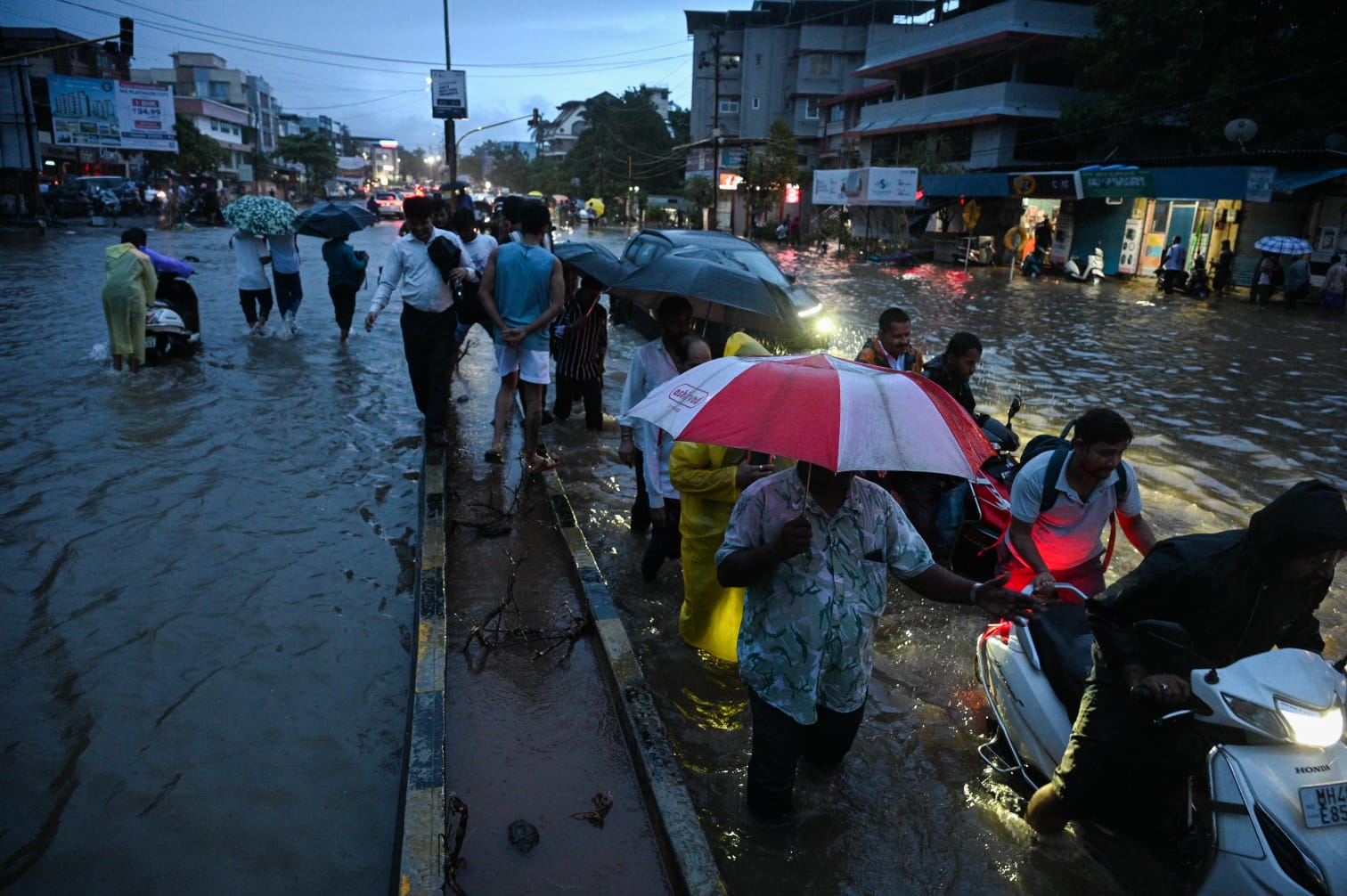
The region may experience an uptick in rain activity after July 17, an IMD official said. (File) After days of relentless monsoon rains pounded Mumbai and wreaked havoc across the city, the financial...
Mumbai's Monsoon Paradox: From Torrential Rains to Sweltering Heat
Mumbai is currently navigating a stark climatic transition. After a period of relentless monsoon activity that caused widespread disruption and havoc across the city's infrastructure, the region has entered a sudden 'break' period. This shift has left residents grappling with sweltering temperatures and oppressive humidity, as the cooling effect of frequent showers has vanished. The India Meteorological Department (IMD) has confirmed that the city should expect a dry spell for the remainder of the week, with a potential return of rain activity only after July 17.
Understanding the 'Monsoon Break' Phenomenon
In meteorological terms, a 'break' in the monsoon occurs when the monsoon trough shifts northward toward the foothills of the Himalayas, reducing the moisture flux over the western coast and the peninsula. For a coastal megacity like Mumbai, this results in a rapid increase in perceived temperature. Because the ground is already saturated from previous heavy rains, the lack of precipitation leads to high evaporation rates, which spikes the humidity levels. This combination creates a 'sauna-like' effect, making the heat feel far more intense than the actual thermometer reading suggests.
Urban Implications and Public Health
The sudden transition from flooding to extreme heat poses unique challenges for Mumbai's population. The city's dense urban fabric, characterized by the 'urban heat island' effect, traps heat in concrete structures, exacerbating the discomfort for millions of daily commuters. From a public health perspective, such fluctuations can lead to an increase in heat-related ailments and respiratory discomfort. Furthermore, the break in rain provides a temporary respite for the city's crippled transport networks—specifically the local trains and arterial roads—which often succumb to waterlogging during peak monsoon surges.
Analyzing the IMD Forecast and Timeline
The IMD's prediction that rain will not resume until after July 17 is critical for city administration and disaster management teams. This window of dry weather allows the Brihanmumbai Municipal Corporation (BMC) to carry out essential maintenance, clear clogged drains, and address potholes that typically emerge during heavy downpours. However, the anticipation of an 'uptick' in activity after the 17th serves as a warning that the city must remain vigilant. The pattern of intermittent heavy spells followed by dry breaks is a hallmark of the South West Monsoon, often leading to volatile weather shifts.
Historical Context and Water Security
Historically, Mumbai's water security is heavily dependent on these monsoon cycles. While the current break causes immediate discomfort, the overall volume of rain received prior to this pause is what determines the levels in the city's seven lakes. If the 'uptick' predicted for late July is significant, it will ensure a steady water supply for the coming year. Conversely, prolonged breaks can lead to concerns over water shortages. The city's history of extreme weather—ranging from the 2005 floods to recent unpredictable dry spells—highlights the fragility of urban planning in the face of climatic variability.
Conclusion and Future Outlook
As Mumbai waits for the rains to return after July 17, the current period of heat serves as a reminder of the city's vulnerability to weather extremes. The transition from 'havoc' caused by floods to 'sweltering' heat underscores the volatility of the Indian monsoon. Moving forward, the city will likely continue to see these oscillating patterns, requiring more robust urban cooling strategies and improved drainage systems to handle the inevitable return of the rains. For now, the residents of the financial capital must endure the humidity in anticipation of the next monsoon surge.