Rat In Dosa To Extort 25 Lakhs? Twist After Complaint Against Mumbai Eatery
Source Entity
NDTV News Search Records Found 1000
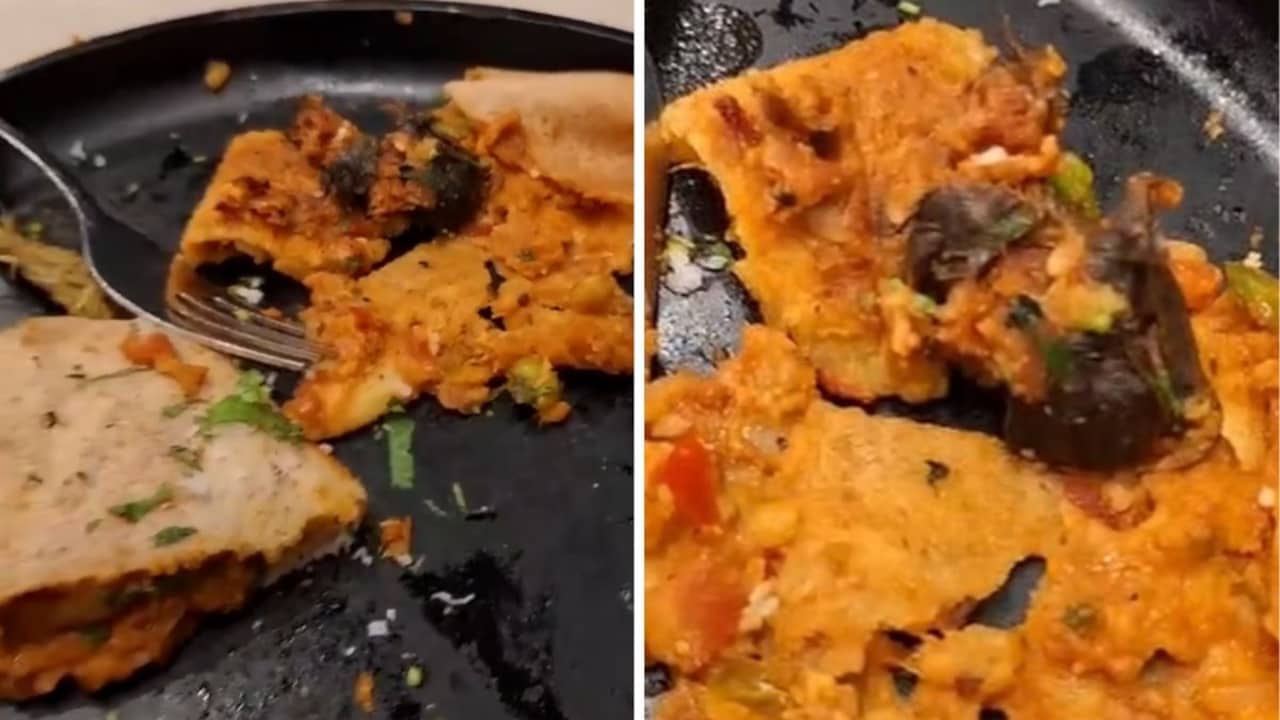
A viral social media video alleging a rat was found in a Mumbai hotel's dosa has been exposed as an extortion plot. Two sisters were booked by Borivali police for demanding money from the hotel owner under threat of publicizing the footage.
The Viral Deception: Extortion Behind a Food Safety Scandal
In an era where social media can instantly destroy a business's reputation, a recent incident in Mumbai serves as a stark reminder of the weaponization of viral content. What began as a viral video depicting a rat inside a dosa—a claim that would typically trigger immediate regulatory oversight—has been unmasked as a calculated extortion scheme. The case highlights how public outrage, often fueled by unverified digital evidence, can be manipulated for financial gain.
The Anatomy of the Extortion Plot
The incident centers on hotelier Jai Kishore Shah, who found himself the target of a malicious campaign. Two sisters allegedly leveraged a video showing a dead rat in a dosa, threatening to circulate the footage further unless Shah paid a sum of Rs 25 lakh. This demand demonstrates the vulnerability of the hospitality industry, where the mere allegation of unsanitary conditions, regardless of veracity, can lead to irreparable brand damage. The negotiation down to Rs 7 lakh, with an initial payment of Rs 1 lakh made on September 30, underscores the desperate position in which the business owner was placed.
The Role of Regulatory Oversight
The involvement of Maharashtra food safety chief Tukaram Mundhe underscores the gravity of food safety concerns in the public eye. Mundhe is known for his proactive approach to regulatory enforcement; had the complaint been genuine, it likely would have resulted in an immediate raid and potential closure of the establishment. The fact that the situation devolved into a criminal investigation by the Borivali Police rather than a health department inspection highlights the distinction between legitimate consumer protection and criminal predation.
Digital Reputation and Economic Impact
This case raises broader questions about the digital landscape of the restaurant industry. Modern businesses are increasingly susceptible to 'reputation hacking,' where bad actors use social media algorithms to amplify negative claims to exert pressure. When such claims are fabricated, the damage to the reputation of the food establishment is often immediate, while the process of clearing one's name remains slow and arduous.
Legal Consequences and Future Trends
As law enforcement investigates the two sisters involved, the legal ramifications serve as a deterrent against similar scams. Extortion is a serious criminal offense, and the use of social media to facilitate such threats adds a layer of complexity to the prosecution. Moving forward, businesses will likely need to adopt more robust protocols for handling such accusations, balancing the need for transparency with the necessity of protecting themselves against bad-faith actors. Ultimately, this incident serves as a critical case study for both consumers and business owners on the necessity of verifying digital claims before they influence public perception and legal outcomes.
Multiple Citing Sources
Verification Required?