Mumbai’s slum commuters pay in hours, not fares, finds IIT Bombay study
Source Entity
Sabah Virani
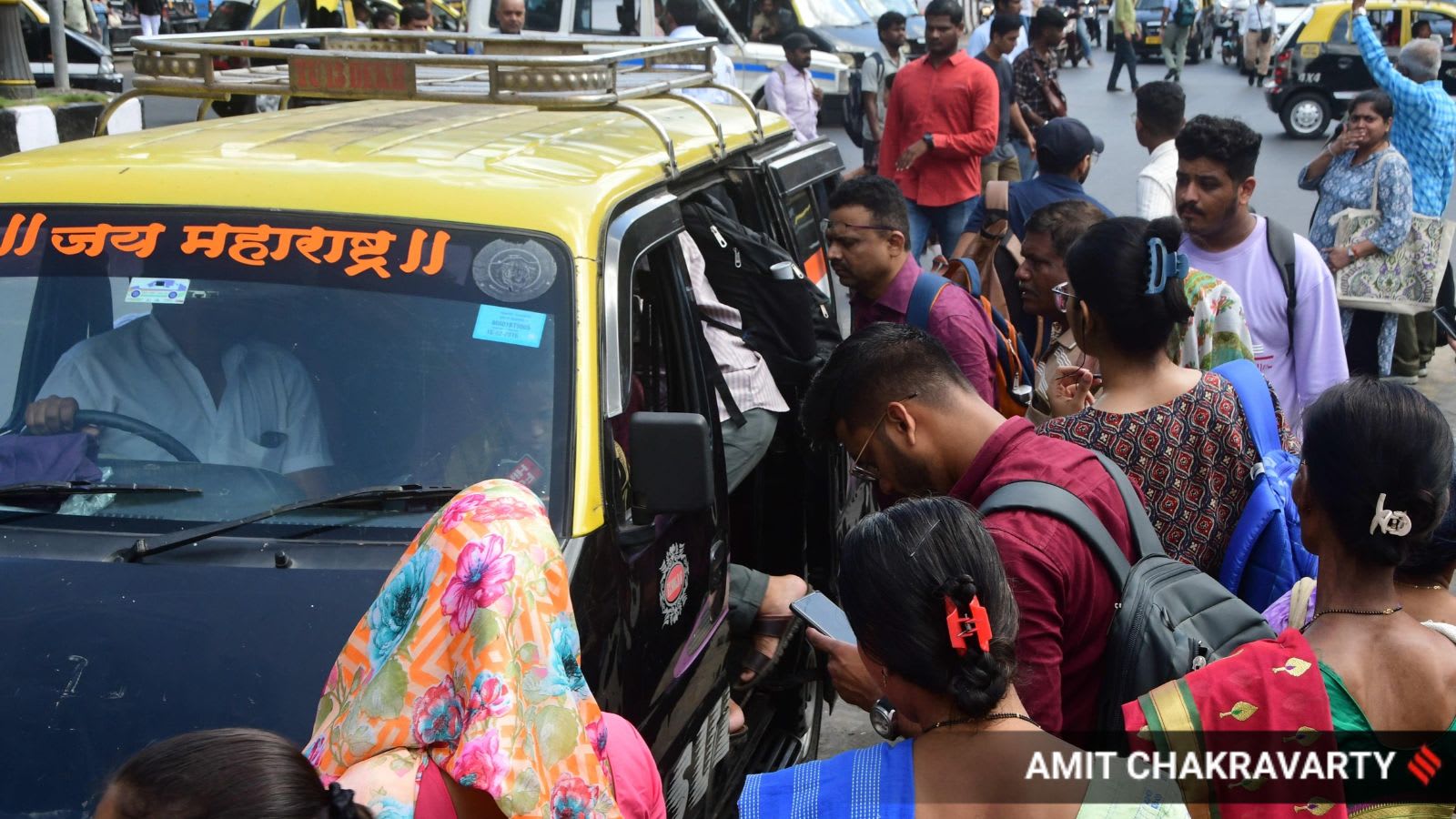
A new IIT Bombay study reveals that Mumbai slum residents face 46% higher travel costs due to time lost in commuting rather than fare prices. The research highlights that 82% of this economic burden stems from walking, waiting, and transit inefficiencies.
The Hidden Tax on Mobility: Analyzing Mumbai’s Commute Crisis
Recent research conducted by scholars at the Indian Institute of Technology (IIT) Bombay, published in the journal Case Studies on Transport Policy, has shed light on a critical socio-economic disparity in Mumbai: the 'time poverty' experienced by slum dwellers. While public transit fares in the city are often subsidized or kept at accessible price points, the study argues that affordability is a misnomer when factoring in the sheer volume of time lost during daily transit.
Quantifying the Cost of Waiting
Led by researcher K T Sarath, the study utilizes the 'Generalised Travel Cost' (GTC) framework, which moves beyond simple monetary transactions to include the economic value of time. The findings are stark: residents in poorly connected slum settlements bear a 46 per cent higher overall travel cost compared to those in areas with robust transit infrastructure. This disparity is not driven by expensive tickets, but by the physical and temporal exhaustion of long walks to bus stops, extended wait times, and the friction of overcrowded transit networks.
The 82 Percent Burden
Perhaps the most significant takeaway from the IIT Bombay research is that 82 per cent of the total travel burden for these populations is non-monetary. In urban planning, 'travel cost' is often viewed through the lens of fare structures, but for the marginalized workforce of Mumbai, the real cost is measured in hours stolen from sleep, family life, and secondary economic opportunities. This 'hidden tax' on mobility effectively acts as a regressive barrier, trapping residents in a cycle of inefficiency.
Broader Implications for Urban Planning
This study challenges the traditional metrics used by municipal planners. If urban development policies continue to prioritize low-cost transit fares while ignoring the 'last-mile' connectivity and frequency of service in informal settlements, the economic gap will continue to widen. The findings suggest that the focus of Mumbai’s transit strategy must shift from mere fare affordability to accessibility and network density to mitigate the systemic disadvantages faced by slum residents.
Historical Context and Future Trends
Historically, Mumbai’s growth has been dictated by its linear geography and the reliance on suburban rail. However, as the city expands, the disconnect between informal housing and formal transit nodes has become more pronounced. Moving forward, the integration of multi-modal transport and the improvement of pedestrian infrastructure in underserved areas will be essential. Without these interventions, the time-cost of commuting will continue to stifle the economic mobility of the city's most vulnerable inhabitants, making the IIT Bombay study a vital blueprint for future infrastructure policy.