Mumbai slum redevelopment: SRA targets 5.1 lakh rehabilitation homes by 2030
Source Entity
TOI REAL ESTATE DESK
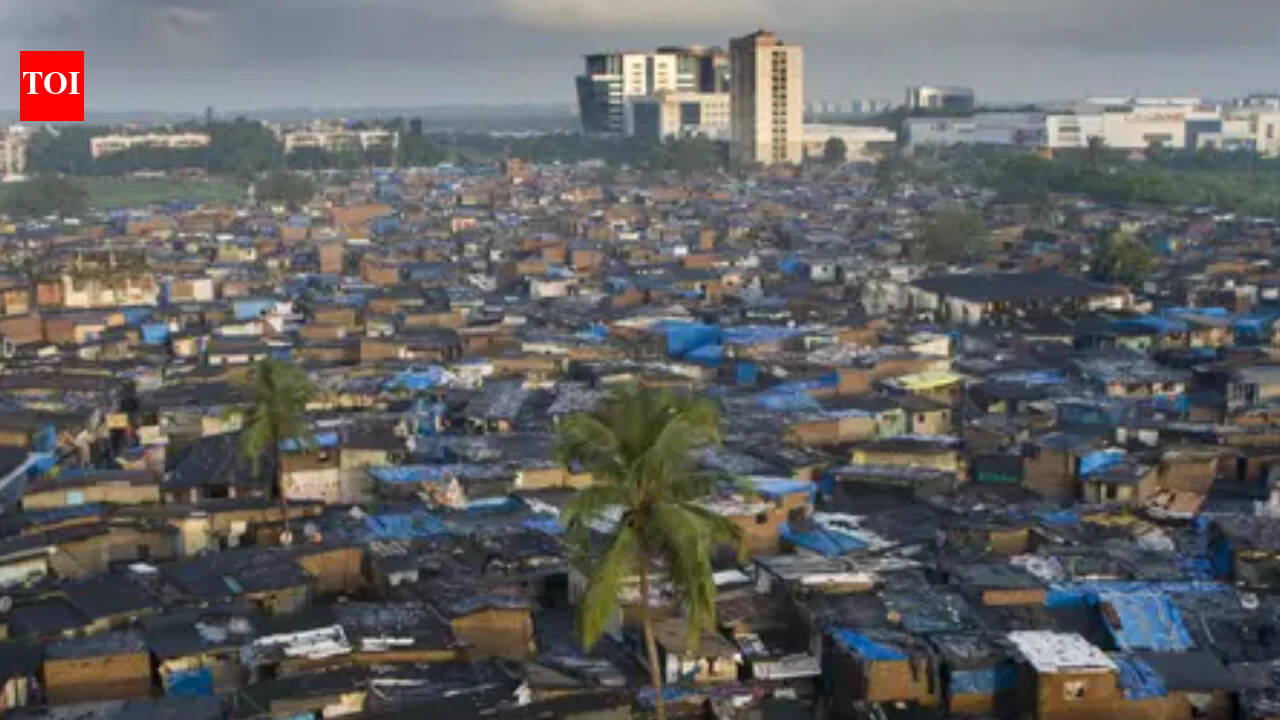
The Slum Rehabilitation Authority of Maharashtra has launched an ambitious plan to deliver over 500,000 homes by 2030. The initiative focuses on cluster redevelopment, digital monitoring, and the major Dharavi project to modernize Mumbai's urban landscape.
Accelerating Mumbai's Urban Transformation
The Slum Rehabilitation Authority (SRA) of Maharashtra has unveiled an ambitious roadmap to reshape the urban landscape of the Mumbai Metropolitan Region. With a target to construct 5,09,873 rehabilitation homes by December 2030, the authority is signaling a shift toward aggressive, large-scale urban renewal. This strategic move, announced by SRA CEO Mahendra Kalyankar, addresses the persistent challenge of housing density in one of the world's most populated cities.
Strategic Implementation and Scaling
To ensure the feasibility of such a massive undertaking, the SRA has established incremental year-wise milestones. The authority aims to deliver 90,264 homes by 2026, scaling up to 148,219 by 2027, and reaching 244,356 by 2028. This phased approach is designed to mitigate the risks associated with large infrastructure projects, allowing for systematic scaling of labor, funding, and materials. By utilizing cluster redevelopment, the SRA intends to maximize land utility, moving beyond piecemeal construction to create integrated living environments.
Technological Integration and Oversight
Efficiency in project management remains a cornerstone of the SRA’s strategy. By implementing digital services and the 'Netram' monitoring system, the authority is addressing historical issues related to project delays and transparency. These digital tools allow officials to track construction progress in real-time, enabling rapid intervention in stalled projects. This digital-first approach is essential for maintaining the momentum required to meet the 2030 deadline.
The Dharavi Redevelopment Nexus
Central to this grand vision is the Dharavi redevelopment project, which is scheduled for completion by 2033. As one of the most high-profile urban renewal projects globally, its success is viewed as a litmus test for Maharashtra’s housing policy. The project goes beyond mere residential construction; it incorporates comprehensive economic rehabilitation for the local businesses that define the area, alongside significant infrastructure upgrades designed to integrate the region into the broader Mumbai economy.
Broader Implications and Future Outlook
The SRA's initiative reflects a national shift toward coordinated urban development, highlighted by the recent conference held in collaboration with the Ministry of Housing and Urban Affairs and Niti Aayog. By focusing on stalled project revival and cluster development, the government is attempting to unlock the economic potential of land currently trapped in inefficient slum configurations. If successful, this roadmap could serve as a replicable model for other rapidly urbanizing regions in India, balancing the urgent need for affordable housing with the complexities of existing socio-economic ecosystems.