Munavvar Ali Thangal seeks to play down Kanthapuram circular controversy
Source Entity
India Latest News: Top National Headlines Today & Breaking News | The Hindu
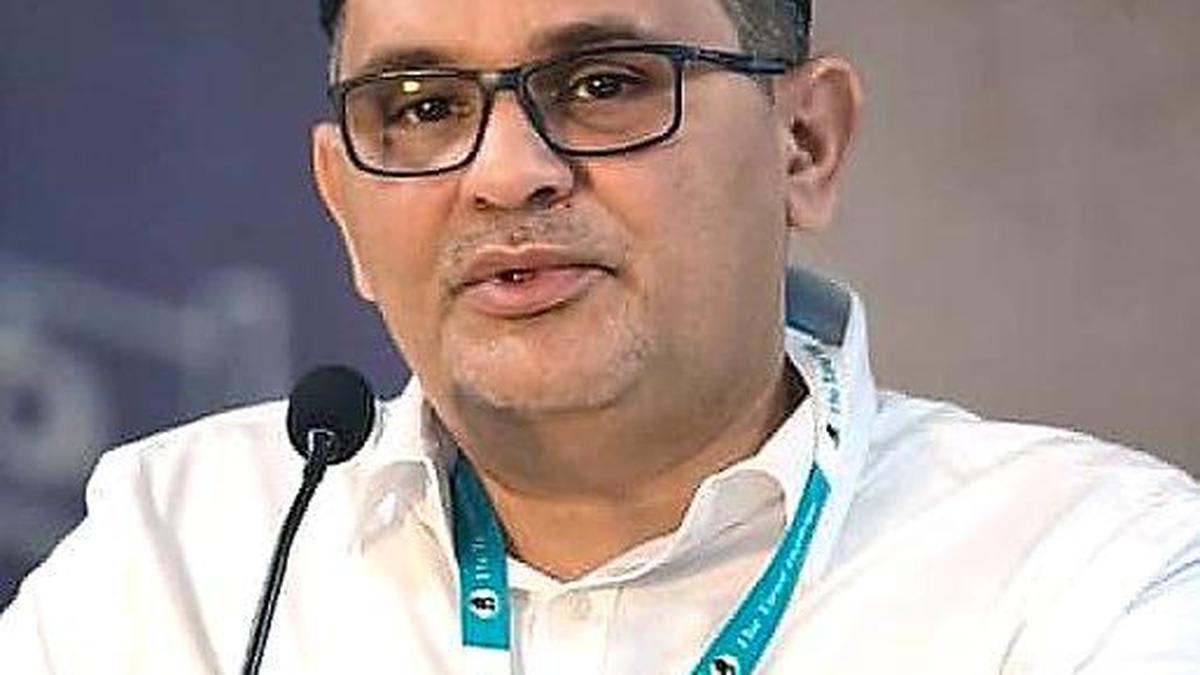
IUML leader Munavvar Ali Shihab Thangal has addressed a controversy involving a Samastha circular that restricted women's attendance at religious events. He framed the directive as a matter of religious discourse while acknowledging the social complexities and potential for public debate.
Navigating Religious Discourse: The Kanthapuram Circular Controversy
The recent controversy involving the Samastha Kerala Jamiyyathul Ulama, led by Kanthapuram A.P. Aboobacker Musliar, has sparked significant debate across the religious and social landscape of Kerala. At the heart of the issue is a circular issued by the organization, which mandates that mahals (local mosque administrative units) and madrasas restrict the presence of women at public religious celebrations. This directive has ignited concerns regarding gender inclusivity and the role of religious institutions in shaping public social norms.
The IUML Stance: A Measured Response
Syed Munavvar Ali Shihab Thangal, the State president of the Muslim Youth League (MYL) and a prominent leader within the Indian Union Muslim League (IUML), recently addressed the situation in Kozhikode. By choosing to play down the intensity of the friction, Thangal has adopted a diplomatic position. He emphasized that religious scholars possess the inherent freedom to express views rooted in their faith, framing the circular not as an act of defiance against social norms, but as an exercise of internal religious interpretation.
Balancing Faith and Social Cohesion
Thangal’s commentary highlights the delicate balance between religious discipline and the evolving social environment. He posited that the scholar behind the circular likely acted out of a perceived necessity to maintain order, fearing that a lack of structured religious discipline could lead to societal anarchy. This perspective underscores a traditionalist approach to community management, where the preservation of religious tenets is seen as a bulwark against the perceived disorder of modern secular life.
Societal Implications and Public Perception
However, the reception of such a circular is inherently tied to the 'prevailing social environment,' as Thangal himself noted. In a state like Kerala, which prides itself on high literacy and progressive social shifts, the exclusion of women from public religious spaces often draws sharp criticism from secular and reformist corners. The tension here lies in the friction between institutional religious authority and the aspirations of a modernizing community that increasingly values gender equality.
Future Trends in Religious Governance
Looking forward, this event signals a broader trend where religious organizations must navigate the increasing visibility of internal debates. As digital communication allows for wider dissemination of such circulars, the ability of leaders to manage public optics will become critical. The IUML’s strategy of minimizing conflict suggests a desire to keep the debate within the community, preventing it from spiraling into a broader political crisis that could alienate various segments of their voter base.
Conclusion
The controversy serves as a poignant reminder of the ongoing negotiation between traditional religious structures and contemporary social values in India. While the Samastha Kerala Jamiyyathul Ulama seeks to maintain its interpretation of religious discipline, the response from figures like Munavvar Ali Shihab Thangal indicates that such decisions will continue to be scrutinized through the lens of social harmony and modern rights. The outcome of these discussions will likely shape the future of community engagement within the region.
Verification Required?