Pak Minister Set For India Visit Had Made "Cut Hands" Threat Over Indus Waters Treaty
Source Entity
NDTV News Search Records Found 1000
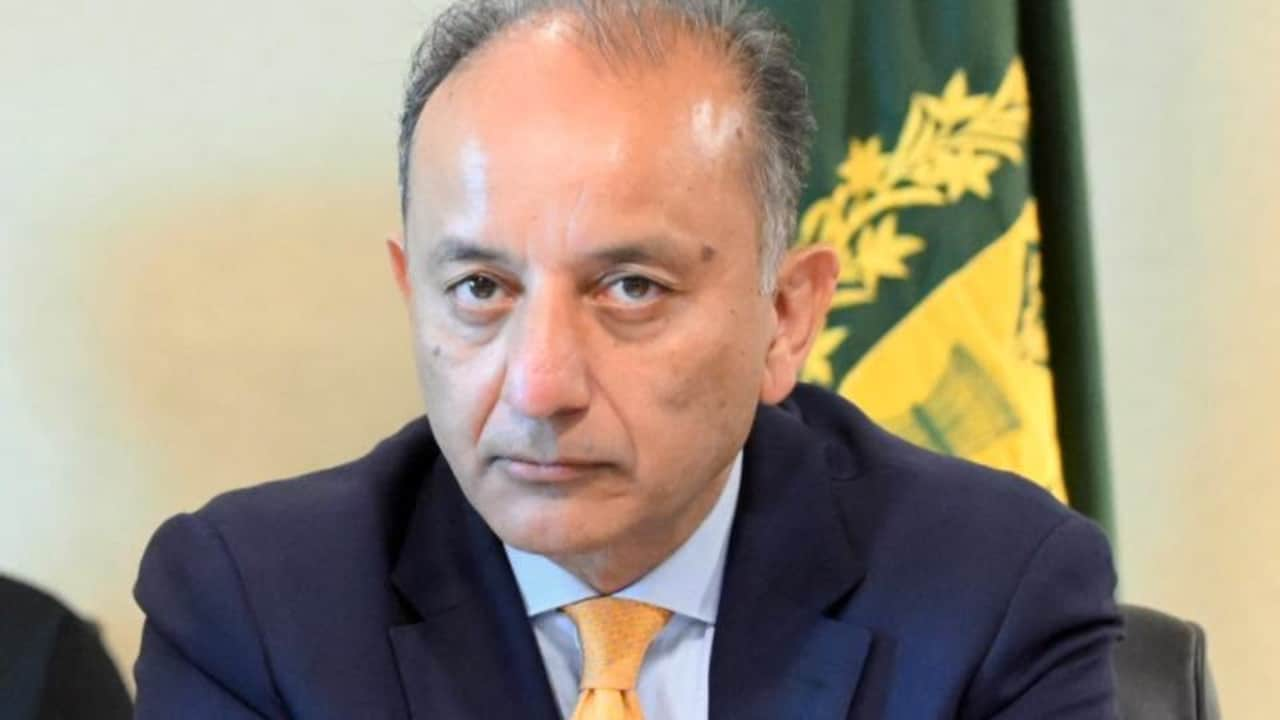
Pakistan is sending Climate Minister Musadik Masood Malik to the SCO Civilisational Dialogue in New Delhi instead of its Culture Minister. This decision follows Malik's past aggressive rhetoric regarding the Indus Waters Treaty, raising questions about the intent behind his visit.
Diplomatic Shifts and the SCO Dialogue
Pakistan’s decision to dispatch Climate Change and Environmental Coordination Minister Musadik Masood Malik to the Shanghai Cooperation Organisation (SCO) Civilisational Dialogue in New Delhi marks a notable departure from standard diplomatic protocol. While the Indian government originally extended an invitation to Pakistan’s Minister for Culture and National Heritage, Aurangzeb Khan Khichi, Islamabad opted for a change in representation following high-level discussions between the Foreign Ministry and the High Commission in New Delhi. This substitution suggests that Pakistan may be looking to pivot the narrative of the forum toward environmental or strategic issues rather than solely cultural exchange.
The Profile of Musadik Masood Malik
Musadik Masood Malik is a prominent political figure whose portfolio currently centers on the critical intersection of climate change and environmental coordination. His inclusion in this delegation is significant not only because of his cabinet rank but because of his recent, highly publicized stance on bilateral relations. Unlike a traditional cultural envoy, Malik’s background and recent rhetoric suggest a more assertive approach to diplomatic engagement, potentially signaling that Pakistan intends to utilize the SCO platform to address broader grievances rather than focusing strictly on the civilisational theme of the conference.
The Indus Waters Treaty and Strategic Tensions
Central to the apprehension surrounding Malik’s visit is his recent, aggressive rhetoric regarding the Indus Waters Treaty (IWT). Earlier this year, Malik made headlines by issuing a stern warning to India, even using inflammatory language regarding the potential for conflict over water resources. The IWT, which has governed water-sharing between the two nations since 1960, is currently in a state of delicate abeyance. Malik’s past threats—specifically his 'cut hands' remark—have cast a shadow over his upcoming presence in India, transforming a routine ministerial visit into a focal point of intense scrutiny.
Broader Implications for India-Pakistan Relations
By sending a minister who has openly threatened India over water rights to a forum hosted in New Delhi, the Pakistani government is testing the boundaries of diplomatic decorum. This move could be interpreted as a tactical decision to keep the issue of the Indus Waters Treaty at the forefront of bilateral discourse, even within the multilateral framework of the SCO. It forces Indian officials to balance the requirements of hosting a regional forum with the necessity of addressing the hostile statements previously made by their guest.
Historical Context and Future Trends
Historically, SCO summits have served as a rare space for dialogue between the two nuclear-armed neighbors, though rarely resulting in significant policy breakthroughs. The trend of using such multilateral platforms to signal domestic political stances is not new, but the choice of a minister known for his aggressive stance on water security indicates a shift toward 'hardline' diplomacy. As climate change continues to impact the Himalayan water systems, water security will likely remain a flashpoint in the region. The outcome of this visit will likely serve as a litmus test for whether future SCO interactions can remain focused on cooperation or if they will become increasingly burdened by the unresolved tensions surrounding critical resource management.
Verification Required?