Musk Rejoins Team Trump To Co-Lead Pentagon Study On Warfare Future
Source Entity
NDTV News Search Records Found 1000
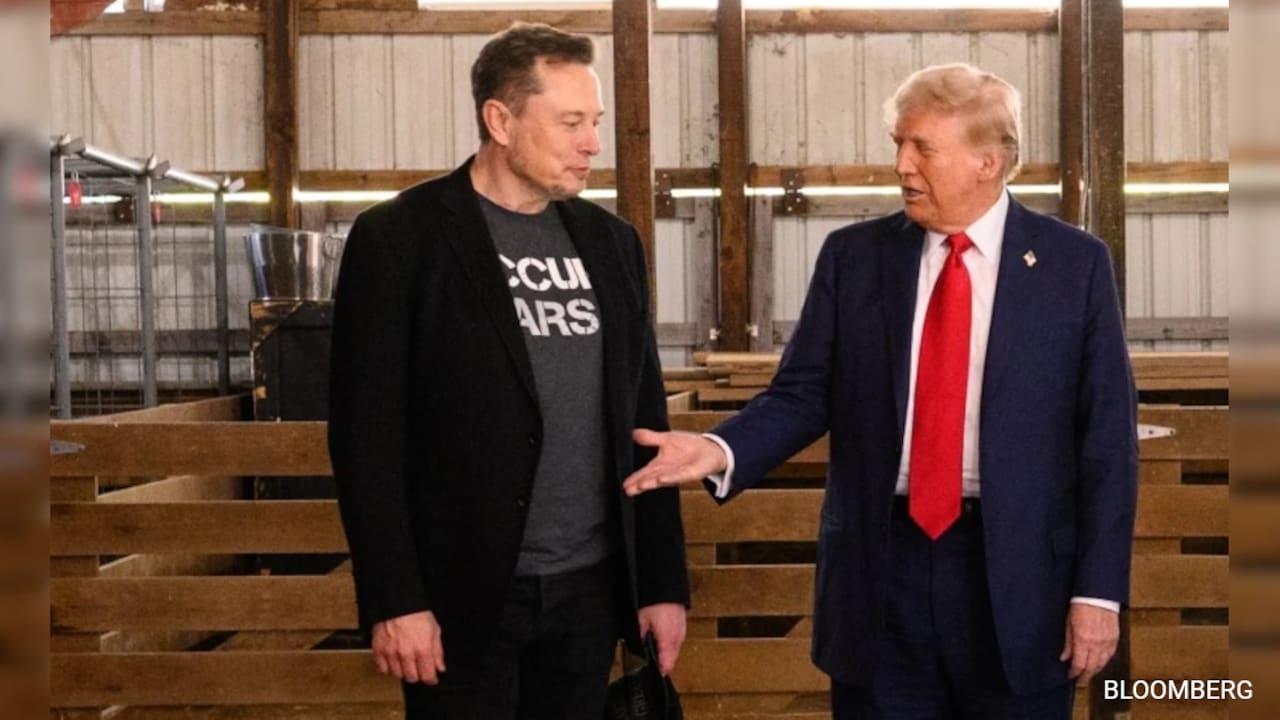
Elon Musk has been tapped to co-lead a Pentagon study focused on the future of warfare. This development highlights the intensifying intersection between commercial space and defense interests under the Trump administration.
The Convergence of Tech and Defense
The appointment of Elon Musk to co-lead a Pentagon study regarding the future of warfare marks a significant inflection point in the relationship between private enterprise and national security. By integrating a leading industrialist into the strategic planning of the Department of Defense, the current administration is signaling a shift toward a more agile, tech-driven military infrastructure. This collaboration underscores the increasing reliance of the United States on private sector innovation to maintain technological superiority on the global stage.
Deepening Existing Ties
It is essential to recognize that this partnership is not born in a vacuum; Musk’s companies, most notably SpaceX, are already deeply entrenched as major Pentagon contractors. Through the development of the Starlink satellite constellation and the launch of classified national security payloads, his firms have become critical assets for military communication and intelligence operations. This new role as a study lead formalizes a relationship that has been evolving for years, moving from a vendor-client dynamic to one of strategic advisory.
Implications for Future Warfare
As the study focuses on the 'future of warfare,' the inclusion of a figure known for rapid prototyping and disruptive engineering suggests a pivot toward autonomous systems, space-based defense, and advanced connectivity. The Pentagon’s willingness to invite external, non-traditional oversight indicates a desire to bypass bureaucratic inertia that has historically slowed defense procurement. This approach reflects a broader trend of 'Silicon Valley-fication' of defense, where speed and iterative testing are prioritized over traditional, decade-long acquisition cycles.
Strategic Challenges and Oversight
However, this consolidation of influence carries inherent risks. The dual role of being both a primary contractor and a strategic policy advisor invites scrutiny regarding conflicts of interest. The ability of a single individual to influence both the development of military technology and the overarching policy frameworks governing that technology is unprecedented in recent history. Ensuring that such advisory roles remain transparent is critical to maintaining public trust and the integrity of the defense procurement process.
The Geopolitical Landscape
This move also has profound implications for global power dynamics. As rivals invest heavily in their own versions of tech-integrated defense, the U.S. is positioning itself to leverage its private sector giants as a primary deterrent. If successful, this model could redefine how nations approach military modernization, potentially leading to a new arms race centered on artificial intelligence, orbital dominance, and high-speed data transmission.
A New Era of Collaboration
Ultimately, the integration of Musk into Pentagon planning represents a fundamental change in the governance of national security. As the study progresses, the metrics for success will likely be measured by the speed of implementation and the efficacy of the technologies deployed. Whether this leads to a more robust defense posture or creates new vulnerabilities remains to be seen, but it is clear that the boundary between private innovation and national defense has never been more porous.
Verification Required?