US Supreme Court Allows Trump's 3rd-Country Deportations
Source Entity
NDTV News Search Records Found 1000
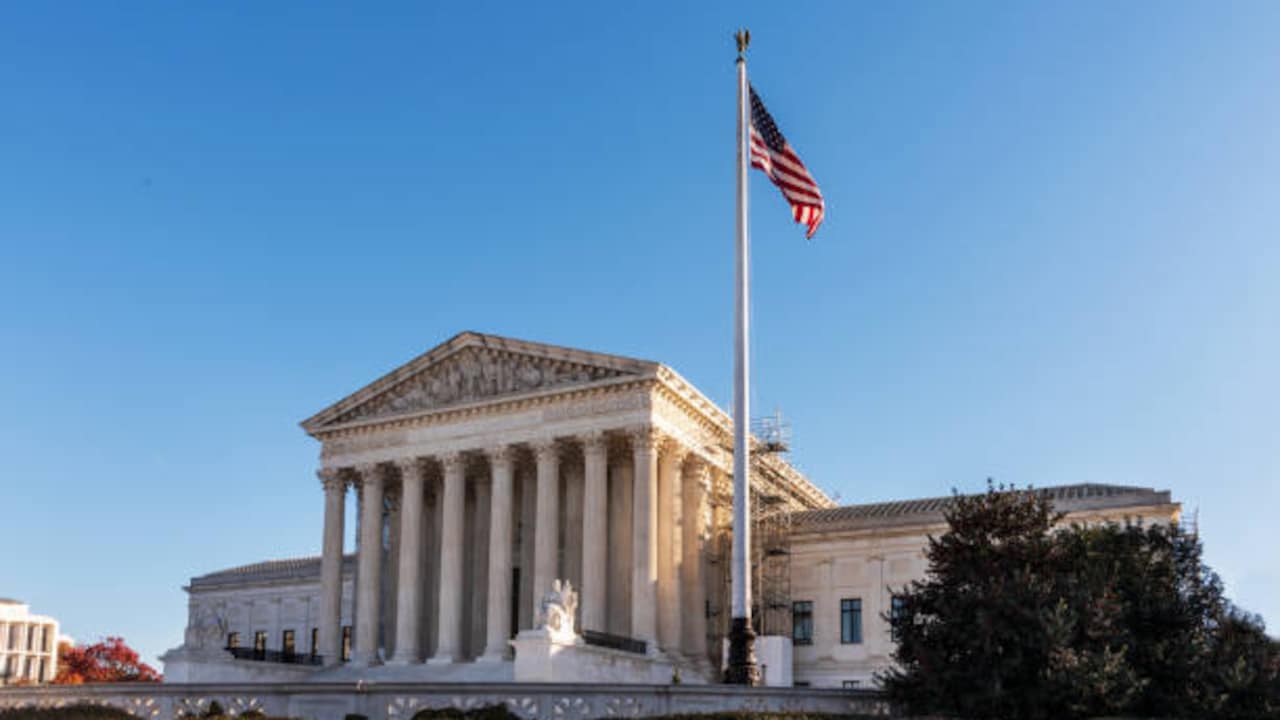
The U.S. Supreme Court has permitted the Trump administration to continue deporting migrants to third countries without assessing potential harm. This decision stays a lower court ruling while the justices prepare for formal arguments in December.
Supreme Court Upholds Third-Country Deportation Policy
The U.S. Supreme Court has issued a significant intervention in the ongoing debate over immigration policy, granting the Trump administration’s emergency request to continue its practice of deporting migrants to third countries. This move temporarily stays a ruling by U.S. District Judge Brian Murphy, who had previously declared the Department of Homeland Security's policy unlawful. By allowing these rapid expulsions to continue, the Court has provided the administration with a critical tool in its broader strategy of immigration enforcement.
The Legal Conflict Over 'Third-Country' Removals
At the heart of this legal dispute is the administration's ability to remove migrants to nations other than their home countries without first providing them an opportunity to demonstrate the specific harms or dangers they might face upon arrival. Critics of the policy, including the plaintiffs in the district court case, argue that this process bypasses essential due process requirements and humanitarian safeguards. Conversely, the Justice Department has maintained that these measures are necessary to manage the influx of migrants and maintain order at the border.
Implications for Immigration Enforcement
The Supreme Court’s decision to hear formal arguments in December signifies the high-stakes nature of this controversy. This policy is a cornerstone of the administration’s sweeping immigration crackdown, which seeks to expedite the removal process. By permitting the policy to remain in effect during the appellate process, the Court has signaled that the administration’s immediate enforcement capabilities will not be curtailed while the legal merits are being debated.
Judicial Composition and Future Trends
With a 6-3 conservative majority, the Supreme Court’s current alignment often plays a pivotal role in shaping executive power regarding border security and administrative law. The upcoming December hearings will likely center on the extent to which the executive branch can alter standard deportation protocols in the interest of national policy. The eventual ruling will set a binding precedent for how the government interacts with asylum seekers and the rights of migrants during rapid removal procedures.
Broader Context of the Crackdown
This development is emblematic of a broader, multi-faceted crackdown on immigration that has defined the administration’s tenure. By utilizing third-country removals, the government aims to reduce the burden on the domestic asylum system. However, the legal challenges highlight a fundamental tension between administrative efficiency and the legal protections afforded to those seeking refuge. As the case proceeds to the Supreme Court, the outcome will likely have lasting implications for both U.S. immigration law and the practical realities faced by migrants at the border.
Verification Required?