Trump could target three Fed governors. Removing them may be harder than it looks
Source Entity
US Top News and Analysis
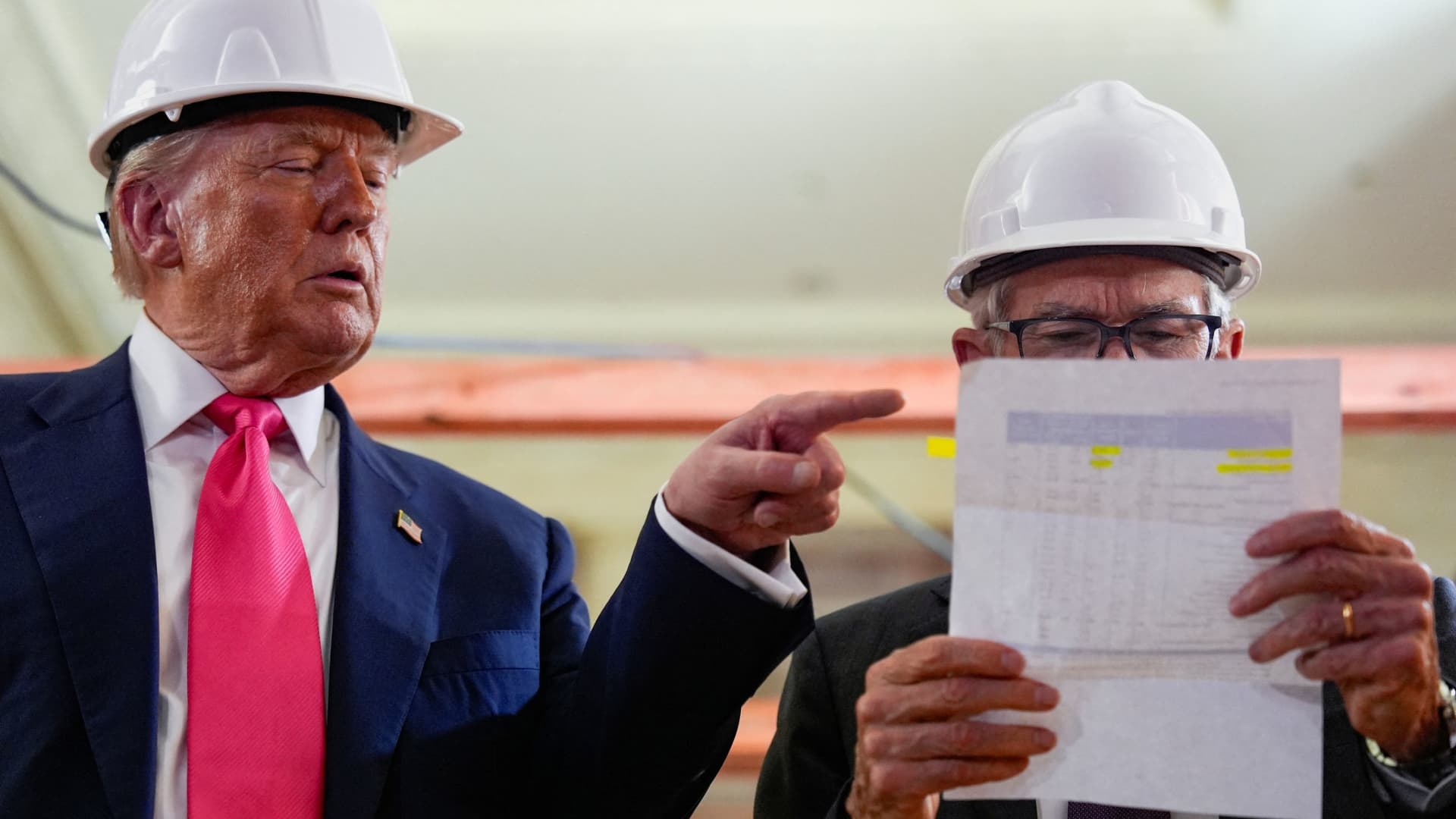
President Trump is reportedly considering the removal of Fed Chair Jerome Powell and governors Lisa Cook and Michael Barr. Legal experts warn that protracted litigation and Supreme Court precedents could hinder these efforts and potentially undermine the administration's own economic agenda.
The Impending Standoff Between the White House and the Federal Reserve
President Donald Trump is reportedly weighing options to challenge the leadership at the Federal Reserve, specifically targeting Chair Jerome Powell and governors Lisa Cook and Michael Barr. This potential move signals a significant escalation in the tension between the executive branch and the nation's central bank, an institution traditionally guarded by a mandate of independence to ensure economic stability free from immediate political pressure.
Legal Hurdles and the Limits of Executive Power
While the administration may seek to restructure the Fed's leadership, the process is far from straightforward. Former Fed General Counsel Scott Alvarez has noted that any attempt to remove these officials will likely trigger intense legal battles. The Supreme Court has previously signaled that officials like Lisa Cook may retain their positions during active litigation, creating a scenario where the administration could find its objectives stalled by the judicial process rather than accelerated.
The Risk of Strategic Backfire
Beyond the logistical challenges, there is a significant risk that an aggressive campaign against the Fed could prove counterproductive. Alvarez argues that if the administration moves to remove these governors and fails to secure immediate results due to protracted court cases, it may ultimately damage the President's own policy agenda. By creating a climate of uncertainty, the administration risks destabilizing the very financial markets it aims to influence.
Historical Precedent and Institutional Independence
Historically, the Federal Reserve’s independence has been a cornerstone of U.S. monetary policy, designed to prevent short-term political cycles from dictating long-term economic health. Attempting to bypass these norms through targeted removals would mark a departure from established institutional practice. The legal protections surrounding these roles are specifically designed to withstand such political pressure, ensuring that governors have the incentive to litigate and remain in their posts to fulfill their statutory terms.
Timing and Economic Uncertainty
The timing of these deliberations is particularly sensitive, as the Federal Reserve is scheduled to announce its interest-rate decision on October 28, just days before the November 3 midterm elections. This convergence of high-stakes monetary policy and political maneuvering creates a volatile environment. Market participants will be watching closely to see if the administration's rhetoric translates into formal action, or if the legal realities discussed by experts like Alvarez temper the path forward.
Conclusion: A Test of Institutional Resilience
The standoff highlights the inherent friction between executive ambitions and the regulatory guardrails of the Federal Reserve. As the administration weighs its options, the resilience of the Fed’s legal framework remains the primary obstacle. Whether this conflict results in institutional reform or a prolonged legal stalemate remains to be seen, but the outcome will undoubtedly define the relationship between the White House and the central bank for the remainder of the term.