My server is a phone now
Source Entity
Hacker News
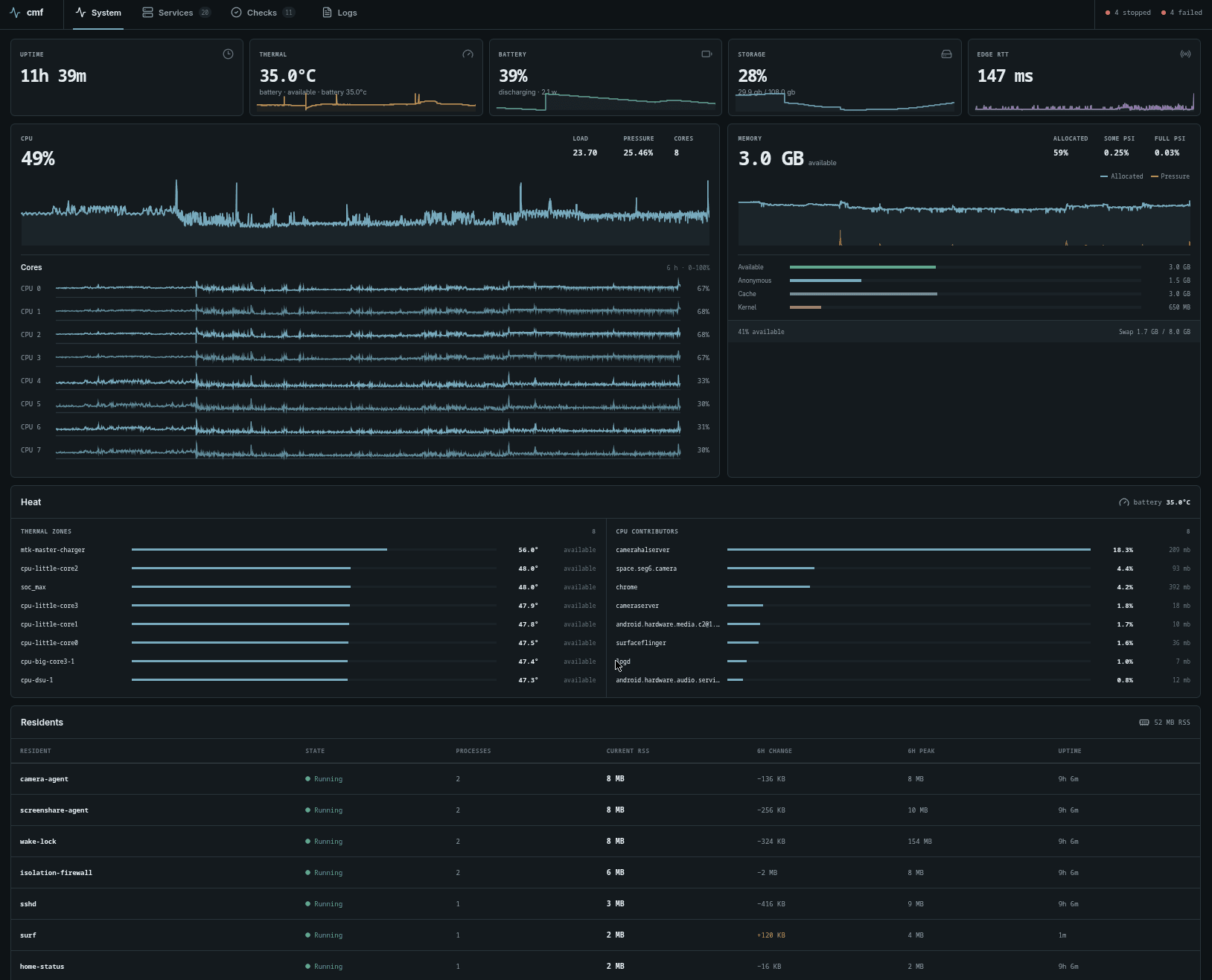
A developer migrated their personal server infrastructure from a paid Hetzner VPS to an old smartphone to cut costs. This transition highlights the viability of repurposing mobile hardware for lightweight server tasks.
The Shift Toward Personal Infrastructure Optimization
The recent trend of personal infrastructure migration, exemplified by the decision to move server operations from a paid Hetzner VPS to an old smartphone, highlights a growing movement among developers to minimize recurring overhead. By offloading services like web applications, the Caddy web server, and the Surf remote browser from cloud infrastructure, users are reclaiming control over their personal digital environments. This transition is not merely a cost-saving measure; it represents a fundamental shift in how individuals perceive the necessity of cloud-based subscriptions for lightweight home-lab setups.
The Performance Bottleneck of Low-Tier VPS
For many, the initial appeal of cheap shared VPS instances is quickly eclipsed by performance limitations. As noted in the reports, the cheapest tiers often struggle when running resource-intensive applications like a remote browser. When Chrome-based engines are tasked with actual rendering, shared CPU resources often become starved, leading to latency and instability. While dedicated CPU instances offer a solution, they create a financial barrier that makes the utility of the service difficult to justify for a personal project, forcing developers to look for alternative hardware solutions.
Hardware Costs and the Mini-PC Dilemma
Hardware procurement has become increasingly complex due to fluctuating DRAM prices, which have made building custom servers or upgrading existing mini-PCs a costly endeavor. The reports indicate that the author considered purchasing a dedicated box but found the current market climate ill-timed for such an investment. This economic hurdle serves as a catalyst for innovation, pushing users to explore the latent potential of decommissioned mobile hardware that might otherwise contribute to electronic waste.
The Viability of Mobile Hardware as Servers
Using a phone as a server is a practical workaround that leverages existing, often high-quality, hardware. While smartphones are designed for mobile consumer use, their ARM-based processors and integrated memory are surprisingly capable of handling light background web apps and proxy services. By repurposing these devices, developers avoid the premium associated with new enterprise-grade hardware and the recurring monthly fees of cloud providers, effectively turning a depreciating asset into a functional utility.
Future Trends in Edge Computing
This trend suggests a future where "personal cloud" setups move away from centralized VPS providers toward localized, decentralized edge nodes. As mobile hardware becomes more powerful, the ability to containerize services and run them on dormant hardware will likely increase. This not only democratizes access to server infrastructure but also pushes developers to optimize their software stacks to be more resource-efficient, ensuring that even modest hardware can sustain a robust digital presence.
Conclusion
The decision to replace a VPS with a smartphone highlights a pragmatic approach to personal computing. By bypassing the rising costs of RAM and the limitations of shared cloud resources, users are finding creative ways to maintain their digital infrastructure. This shift underscores the importance of hardware longevity and the potential for existing mobile devices to serve as the backbone of modern, budget-conscious personal server environments.