Why Myanmar’s genocide verdict matters, including for Israel’s case
Source Entity
Bashir Ali Abbas
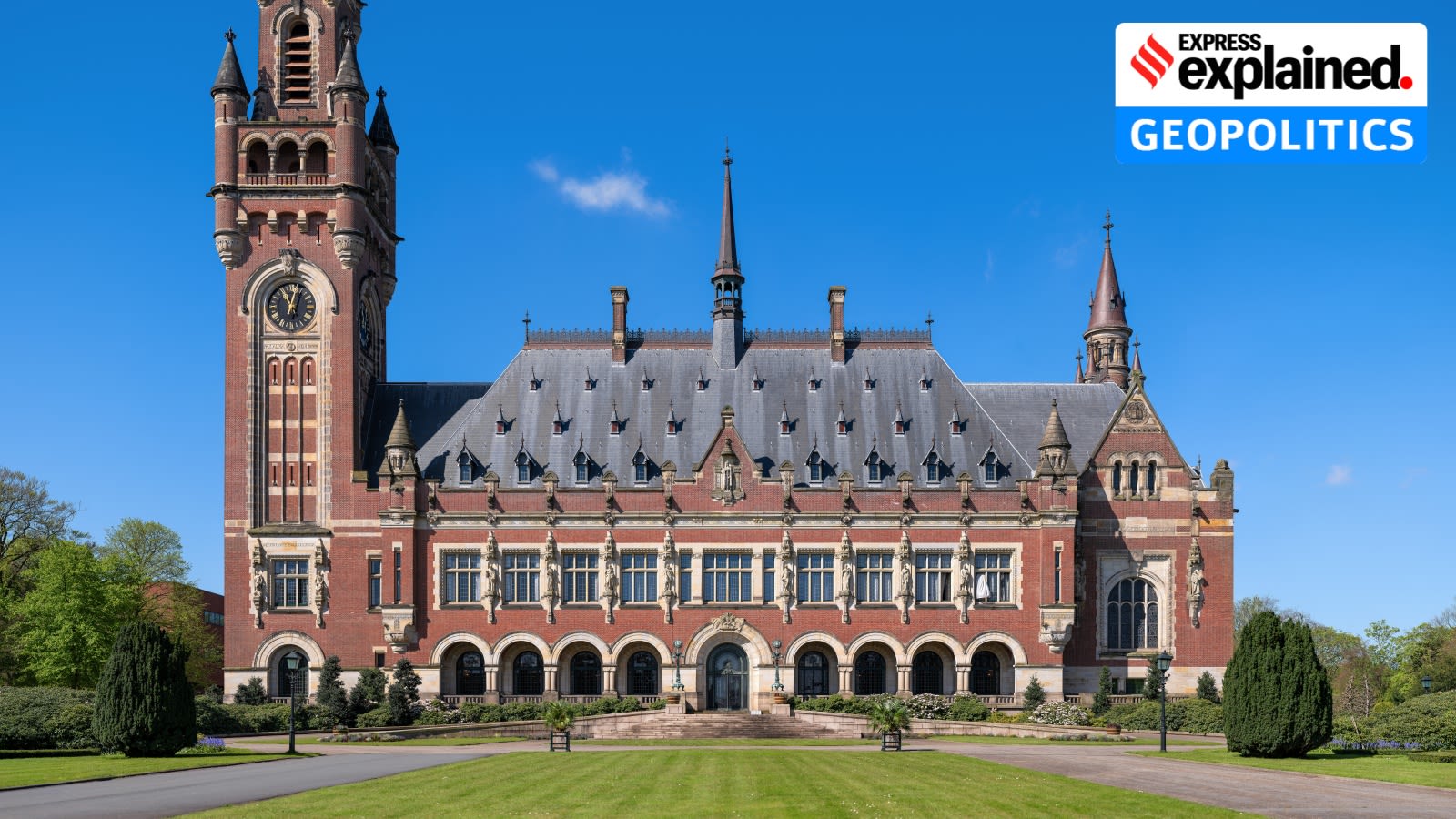
The International Court of Justice has issued a historic ruling finding Myanmar responsible for genocide against the Rohingya people. This landmark decision marks the first time a sovereign state has been held accountable for genocide by an international court.
A Historic Legal Precedent: The ICJ Ruling on Myanmar
In a monumental development for international law, the International Court of Justice (ICJ) has officially ruled that Myanmar’s security forces committed genocide against the Rohingya Muslim minority. This decision follows a seven-year legal battle initiated by The Gambia, centering on the brutal 2017 campaign that resulted in thousands of killings, widespread sexual violence, and the systematic targeting of children. Presiding Judge Yuji Iwasawa confirmed that the court found the actions of the military to be state-sponsored, marking a definitive legal recognition of these atrocities.
Breaking the Barrier of State Responsibility
While international tribunals have successfully prosecuted individuals for genocide in the past—most notably following the conflicts in Rwanda and the former Yugoslavia—this ruling is unprecedented. Since the adoption of the 1948 Genocide Convention in the aftermath of the Nazi Holocaust, no sovereign state had ever been found guilty of genocide by an international court. This verdict finally shatters that barrier, establishing that a state entity itself can be held legally accountable for the crime of genocide, rather than only individual perpetrators.
The Significance of the 1948 Genocide Convention
The 1948 Genocide Convention was designed to prevent and punish the most heinous of crimes against humanity. For decades, the convention has served as a moral compass, yet its practical application regarding state-level responsibility has remained elusive. Legal experts, including Arsalan Suleman, have emphasized that this ruling breathes new life into the convention. By successfully navigating this case, The Gambia has reinforced the global commitment to international legal accountability and ensured that the definition of genocide remains a potent tool against state impunity.
The Human Cost of the 2017 Campaign
The court's findings detail the systematic nature of the violence inflicted upon the Rohingya population. Judge Iwasawa’s reading of the verdict highlighted that the security forces did not merely engage in conflict but perpetrated acts of extreme violence against civilians, including children, and specifically targeted those attempting to flee. This state-sponsored campaign of terror destroyed communities and forced a massive displacement of people, creating one of the most severe humanitarian crises of the 21st century.
Implications for Future International Law
The implications of this ruling extend far beyond the borders of Myanmar. By holding a state responsible, the ICJ has set a new standard for how international bodies handle allegations of state-sponsored atrocities. This precedent will likely influence future litigation involving human rights abuses and state-level aggression. It serves as a stark warning to regimes worldwide that the international community has the legal mechanisms to label state actions as genocide, potentially deterring future violations of the Genocide Convention.
Conclusion: A Turning Point for Global Accountability
This historic verdict represents a significant victory for the Rohingya people and for the integrity of international law. By formally recognizing that Myanmar’s actions constituted genocide, the ICJ has provided a measure of justice for the victims and survivors. As the world digests this landmark judgment, it remains clear that the fight for accountability is far from over, but the path toward ensuring that such atrocities are never repeated has been significantly strengthened.
Multiple Citing Sources