Tanker hit by unknown projectile near Oman's Khasab, UKMTO says
Source Entity
Latest News: Todays Latest News Headlines from India & World | Hindustan Times
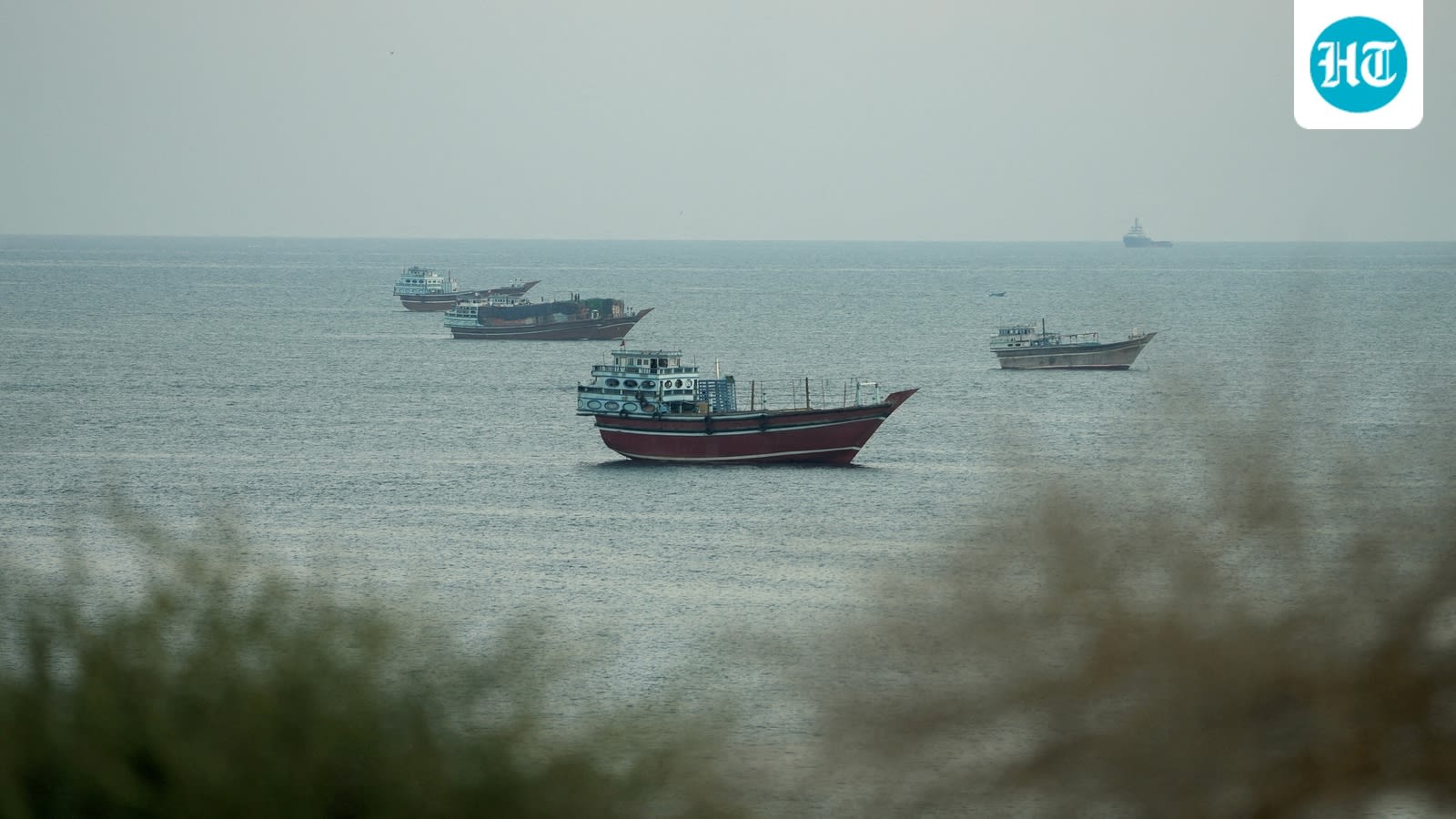
A tanker was struck by an unidentified projectile near Oman's Khasab in the strategic Strait of Hormuz. No injuries were reported, though the incident underscores ongoing maritime security risks in this vital global oil transit corridor.
Maritime Security Incident Near the Strait of Hormuz
The Incident Overview
A tanker navigating the waters near Oman's Khasab, located on the Musandam Peninsula, was struck by an unidentified projectile on its stern. The United Kingdom Maritime Trade Operations (UKMTO) confirmed that the vessel was sailing outbound through the Strait of Hormuz when the impact occurred approximately 11 nautical miles north of the Omani port. Fortunately, current reports indicate that there were no injuries among the crew, and the extent of the environmental impact remains under investigation.
Strategic Importance of the Strait
The Strait of Hormuz is arguably the world’s most significant maritime chokepoint. Positioned at the mouth of the Persian Gulf, it serves as the primary artery for global energy markets, historically facilitating the transit of nearly one-fifth of the world’s crude oil supply. Any disruption in this narrow waterway carries immediate and severe implications for global energy security, supply chain stability, and international maritime insurance premiums.
Historical Context and Regional Tensions
This incident occurs against a backdrop of heightened regional volatility. The Strait of Hormuz has long been a flashpoint for geopolitical friction, particularly concerning the transit of tankers and the security of international shipping lanes. The proximity of the Musandam Peninsula to the main shipping channels makes this area particularly sensitive to shifts in the regional security architecture, especially as tensions involving Iran and other international actors continue to influence vessel safety protocols.
Broader Economic Implications
The disruption of shipping through this corridor is not merely a local security issue; it is a global economic concern. Given the reliance of major economies on the flow of oil through the Strait, any threat—whether from projectiles, regional conflict, or political posturing—triggers immediate market anxiety. The vulnerability of commercial tankers to such incidents underscores the ongoing difficulty in maintaining maritime freedom of navigation in contested waters.
Future Trends and Security Outlook
Moving forward, the incident near Khasab highlights the urgent need for enhanced maritime surveillance and coordination among international naval forces patrolling the region. As shipping operators adjust their risk assessments, we can expect an increase in security-related insurance costs and potential rerouting of vessels to avoid the most exposed segments of the Strait. Long-term energy security strategies, such as those promoted by the IEA, may become increasingly focused on diversifying transit routes and accelerating the transition away from oil-dependent trade corridors to mitigate the impact of such chokepoint disruptions.
Conclusion
While the immediate aftermath of the strike resulted in no casualties, the event serves as a stark reminder of the fragile nature of maritime security in the Middle East. As investigations continue to identify the source and nature of the projectile, the international community remains vigilant regarding the potential for further escalations in one of the most vital transit zones on the planet.
Verification Required?