187 Days After Their Murder, Bodies Of 6 Naga Men Buried In Manipur
Source Entity
NDTV News Search Records Found 1000
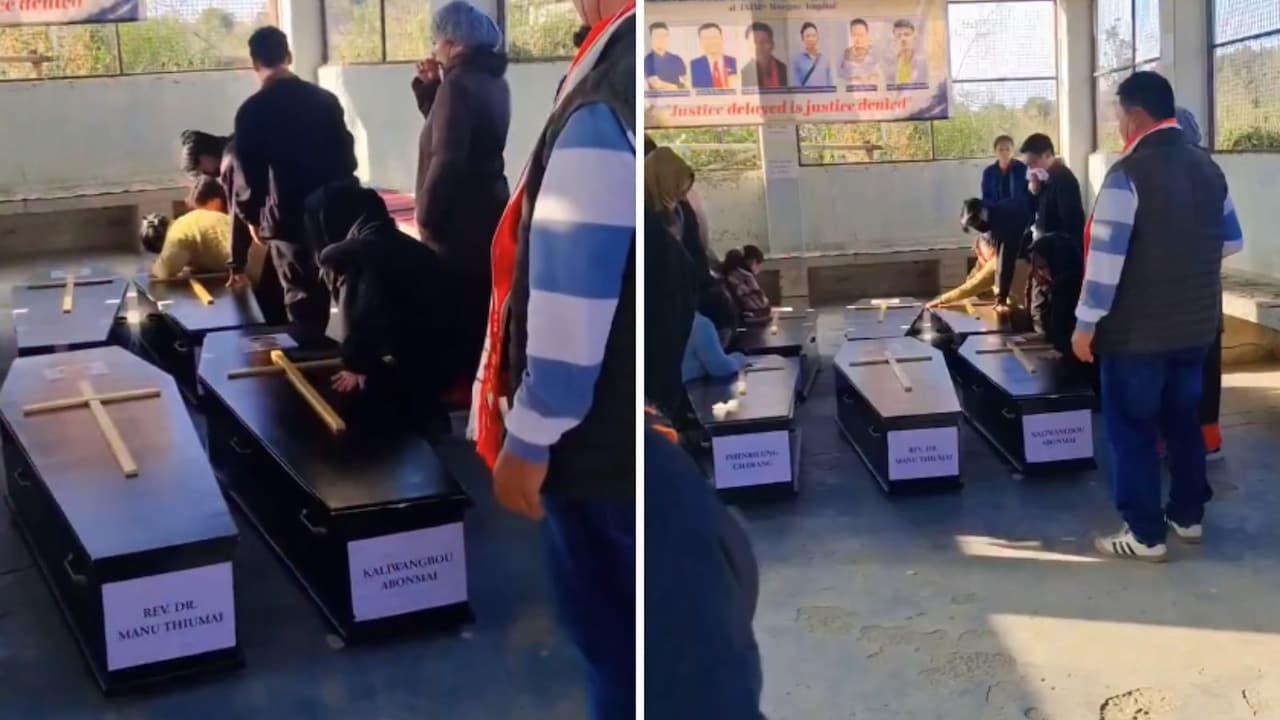
After a 187-day wait, the bodies of six Naga men murdered in Manipur were finally laid to rest. The burial followed prolonged protests by families and Naga community groups demanding justice for the victims.
The Long Road to Closure: Burials in Manipur
After a harrowing delay of 187 days, the families of six Naga men finally held burial services for their loved ones in Manipur. This grim milestone marks the conclusion of a painful period of mourning and advocacy, during which the remains were withheld from the families while they sought accountability for the murders. The act of laying these individuals to rest is both a private moment of grief and a public statement regarding the ongoing volatile situation in the region.
The Struggle for Justice and Recognition
The extended delay in the burial process was not merely a logistical failure but a central pillar of the protests led by Naga community groups and the grieving families. By refusing to bury the victims until their demands for justice were met, the community utilized the burial process as a form of non-violent resistance. This tactic highlights the profound lack of trust and the deep-seated grievances that persist in Manipur, where communal tensions have often complicated the standard procedures for forensic investigation and victim restitution.
Historical Context of Communal Tensions
Manipur has long been characterized by complex ethnic and tribal dynamics, with various groups often at odds over land, identity, and political representation. The murder of these six men serves as a tragic microcosm of the broader instability that has plagued the state. Historically, the Naga community has maintained distinct assertions regarding their rights and safety within the state, and incidents like this serve to exacerbate existing fractures between different ethnic factions and the state administration.
Implications for Local Governance and Law Enforcement
The fact that it took over six months to reach the point of burial speaks volumes about the challenges facing law enforcement and administrative bodies in Manipur. When justice is perceived as delayed or denied, the resulting vacuum is often filled by civil society organizations, such as the Naga groups who spearheaded these protests. This shift underscores a broader trend where community organizations take on the burden of seeking accountability when institutional mechanisms appear to be stalling.
Future Trends and the Path Toward Reconciliation
Looking ahead, the burial of these six men does not necessarily signal an end to the underlying tensions in the region. The demand for justice remains a primary driver of political activity in the area, and the state’s ability to conduct transparent investigations will be critical in preventing further escalation. Future peace-building efforts must prioritize the grievances of the families involved and address the systemic issues that allowed such a prolonged delay to occur in the first place.
Conclusion
While the burial provides a final, necessary measure of dignity for the victims, the long duration of the wait remains a stark reminder of the challenges inherent in Manipur’s current social climate. The resolve shown by the families and the Naga community groups demonstrates an unwavering commitment to their cause. Moving forward, the focus must shift toward ensuring that such a protracted quest for justice does not become a recurring feature of the region's socio-political landscape.
Verification Required?