Tamil Nadu Assembly moves resolution urging Centre to withdraw FCRA Amendment Bill
Source Entity
India Latest News: Top National Headlines Today & Breaking News | The Hindu
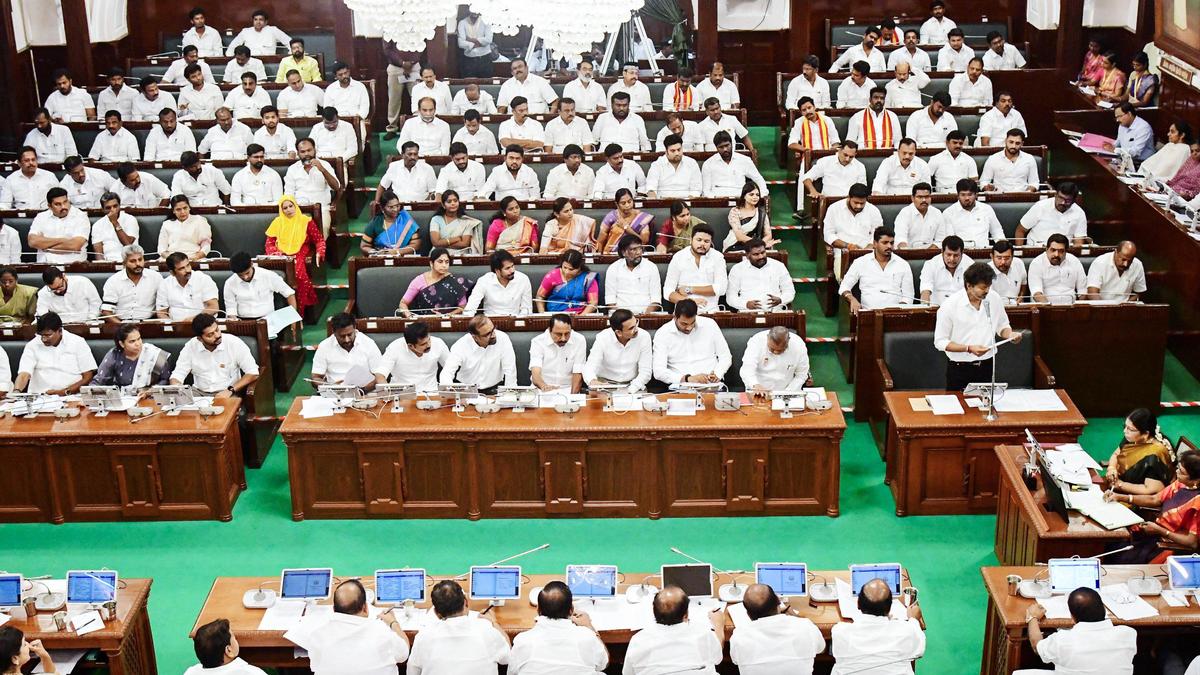
Nagaland and Tamil Nadu have formally opposed the proposed FCRA Amendment Bill, citing threats to the autonomy of charitable and religious institutions. Both state governments are calling for deeper parliamentary review and stakeholder consultation to address concerns over asset management and operational independence.
Regional Opposition Mounts Against FCRA Amendment Bill
The introduction of the Foreign Contribution (Regulation) Amendment Bill, 2026, has triggered significant pushback from state governments, most notably in Nagaland and Tamil Nadu. The legislation, which seeks to tighten the regulatory framework governing foreign funding in India, has become a point of contention due to its potential impact on the autonomy and long-term viability of non-profit, religious, and educational organizations.
Concerns from Nagaland: The Religious and Social Impact
Nagaland Chief Minister Neiphiu Rio has formally reached out to Union Home Minister Amit Shah to express grave concerns regarding the amendments. His primary apprehension centers on the burden these legislative changes may impose on churches and Christian charitable organizations. In a state where such institutions are the backbone of social welfare, healthcare, and education, any disruption to their funding streams could have cascading effects on the daily lives of citizens. Rio’s request for a parliamentary panel review underscores a desire to ensure that the legislative process remains inclusive of the specific socio-religious landscape of the Northeast.
The Tamil Nadu Legislative Stance
The opposition is not limited to the Northeast. The Tamil Nadu Legislative Assembly recently passed a unanimous resolution urging the Central Government to withdraw the Bill in its current form. Minister Rajamohan, who moved the resolution, highlighted a critical friction point: the government's proposed authority over the transfer, management, and disposal of assets belonging to charitable organizations. The state government argues that these provisions threaten the fundamental autonomy of institutions, especially when registration is denied, expires, or is surrendered.
The Debate Over Asset Management
A central theme across both states is the concern regarding the 'transfer and disposal' of assets. The Bill’s provision to potentially seize or control assets of organizations that lose their FCRA registration is viewed by critics as an overreach that could stifle civil society. By demanding that the assets be surrendered to the government under certain conditions, the legislation risks dismantling the infrastructure of long-standing social welfare programs that have operated independently for decades.
The Call for Democratic Consultation
Both the Nagaland Chief Minister and the Tamil Nadu Assembly have emphasized the necessity of a 'comprehensive examination' of the Bill. By suggesting that a parliamentary committee invite stakeholders to present their perspectives, these leaders are advocating for a more collaborative approach to lawmaking. They argue that this process would not only address genuine concerns and remove public apprehension but also help the government maintain transparency without compromising the essential services provided by the non-profit sector.
Future Implications for Civil Society
Looking ahead, the resolution of this conflict will likely set a precedent for how the Union Government interacts with state-level stakeholders on matters of national regulation. If the Centre proceeds without the requested consultations, it risks deepening the divide between federal oversight and regional autonomy. Conversely, a willingness to refer the Bill to a parliamentary committee could serve as a model for democratic consensus-building, ensuring that national security interests—often the justification for FCRA changes—do not inadvertently cripple the vital social work performed by charitable entities across India.
Verification Required?