11, including 7 kids, fall ill; 3 in ICU after dead lizard found in cake near Mumbai
Source Entity
TNN
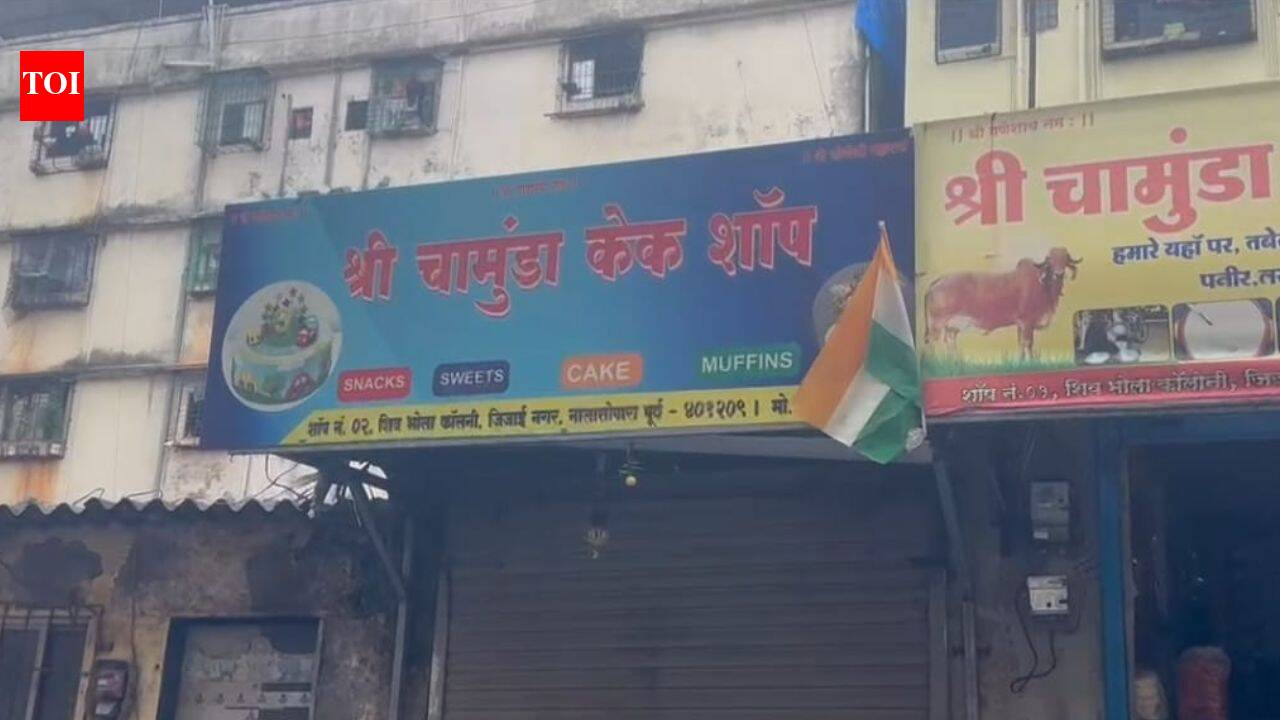
Eleven people, including seven children, were hospitalized in Nalasopara after consuming a birthday cake found to contain a dead lizard. Local authorities have seized samples and revoked the bakery's license as the victims remain in stable condition.
Food Safety Crisis in Nalasopara
A disturbing incident of food contamination has emerged from the Takipada area of Nalasopara East, where a birthday celebration turned into a medical emergency. Eleven individuals, comprising four women and seven children, were hospitalized following the consumption of a birthday cake that reportedly contained a dead lizard. The incident occurred at the Neelkantheshwar building, casting a spotlight on the critical need for stringent food hygiene standards in local retail establishments.
Immediate Medical Response and Current Status
Upon consuming the contaminated cake around 6:00 PM on Saturday, the victims began experiencing severe symptoms, including vomiting and a burning sensation in their chests. They were promptly rushed to a nearby hospital for emergency care. While all patients are currently reported to be in stable condition, the severity of the ingestion necessitated that three of the children be admitted to the Intensive Care Unit (ICU). This highlights the acute physiological impact such contamination can have on younger, more vulnerable populations.
Regulatory Intervention and Accountability
In the wake of the incident, local law enforcement and the Food and Drug Administration (FDA) initiated immediate investigative measures. The police have seized samples of the cake from the Chamunda Cake Shop to conduct forensic testing and determine the precise nature of the contamination. Simultaneously, the FDA took decisive action by raiding the premises and cancelling the bakery’s operating license. This rapid response serves as a necessary enforcement mechanism to prevent further public health risks from the same source.
Broader Implications for Food Safety
The presence of foreign bodies like a dead lizard in commercial food products points to significant lapses in manufacturing hygiene and pest control protocols. For small-scale bakeries operating in densely populated regions like Palghar district, the lack of rigorous oversight can lead to catastrophic public health outcomes. This event underscores the necessity for regular health inspections and the strict enforcement of safety certifications for all food business operators (FBOs).
Future Trends and Preventive Measures
As public awareness regarding food safety increases, there is a growing demand for greater transparency in the food supply chain. Moving forward, authorities are likely to ramp up inspections of local bakeries to ensure that storage, preparation, and sanitation standards are met. This incident will likely serve as a case study for local municipalities to implement more robust reporting systems, ensuring that any suspected food poisoning cases are addressed with both medical urgency and regulatory finality.
Conclusion
While the victims are recovering, the Nalasopara incident remains a sobering reminder of the hazards posed by unhygienic food processing. The collaboration between police and the FDA in this instance demonstrates a commitment to public safety. However, the long-term prevention of such occurrences will depend on the sustained vigilance of both consumers and regulatory bodies to ensure that the food industry adheres to the highest standards of sanitation.