NASA's new Moon plans have a problem: Orion wasn't designed to fly this way
Source Entity
Eric Berger
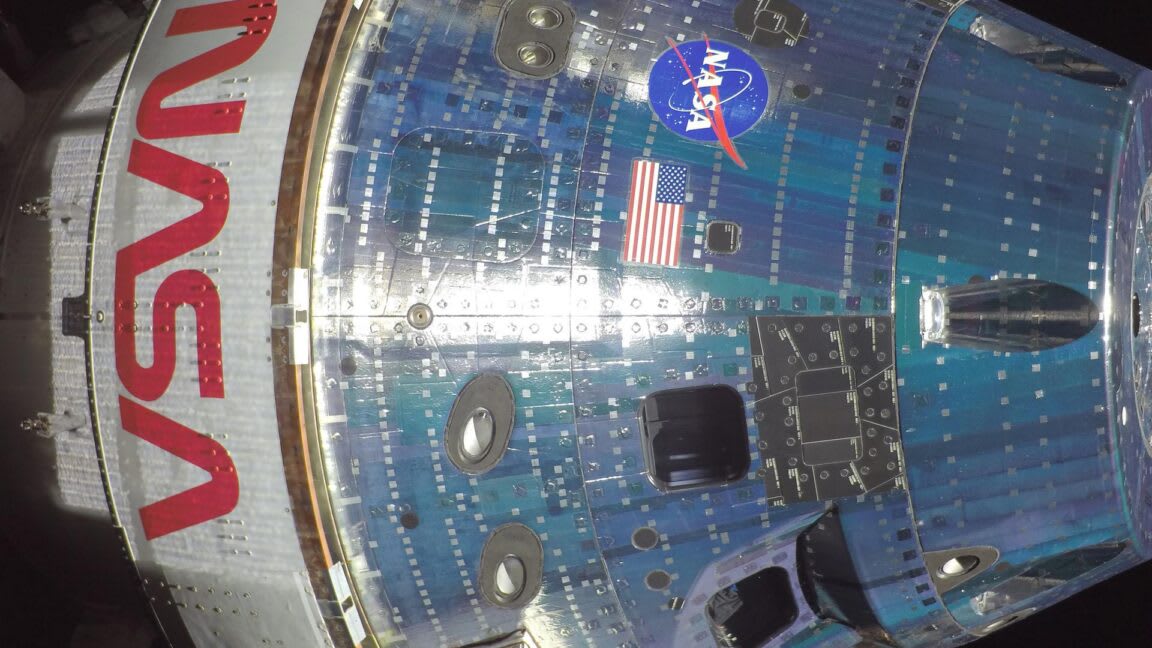
NASA is modifying the Artemis program to allow SpaceX and Blue Origin more operational flexibility. These changes increase the operational burden on the Orion spacecraft, raising concerns about safety and engineering design limitations.
The Evolving Architecture of the Artemis Program
NASA has recently initiated a significant strategic recalibration of the Artemis program, aiming to refine how human crews will return to the lunar surface. By adjusting the mission profiles for primary lunar lander contractors—SpaceX and Blue Origin—the agency is attempting to optimize the logistics of deep-space transit. However, these architectural shifts have brought to light critical engineering challenges, specifically regarding the performance envelope of the Orion spacecraft, which serves as the primary crew transport vehicle.
Operational Flexibility vs. Engineering Constraints
The core of the recent changes involves shifting rendezvous points to accommodate the specific operational needs of private contractors. SpaceX’s Starship vehicle is now slated to dock with Orion in Earth orbit to facilitate a tandem journey to the Moon, while Blue Origin’s Blue Moon lander will rendezvous with the crew in low-lunar orbit. While these adjustments provide necessary flexibility for the landers, they fundamentally alter the mission profile for which the Orion capsule was originally conceived and tested.
The Burden on the Orion Spacecraft
Lockheed Martin, the lead contractor for Orion, is now tasked with ensuring the vehicle can withstand these new mission parameters. Kirk Shireman, the Human Spaceflight Exploration and Orion program manager, has highlighted that these changes impose an increased burden on the spacecraft's systems. Because Orion was not originally designed to support these specific flight profiles, the agency faces a delicate balance between pushing the boundaries of current technology and maintaining the rigorous safety standards required for human spaceflight.
Safety and the Pace of Innovation
Central to the discourse surrounding these changes is the tension between speed and safety. The directive from NASA leadership emphasizes that the agency has a responsibility to avoid cutting corners in the pursuit of accelerated timelines. As the mission architecture grows more complex, the risk profile of the Artemis program naturally expands, necessitating a heightened focus on the structural and life-support integrity of the Orion capsule during these extended, multi-stage rendezvous operations.
Future Implications for Lunar Exploration
Looking forward, the success of the Artemis program will depend on how effectively NASA and its partners can integrate these disparate systems. The ability of Orion to adapt to these shifting rendezvous requirements will be a litmus test for the program's long-term viability. Future trends will likely show a continued reliance on public-private partnerships, but these must be tempered by a commitment to robust engineering that accounts for the reality that spacecraft are often limited by their original design specifications.
Conclusion
In summary, while the adjustments to the Artemis program offer a pragmatic solution to the logistical hurdles faced by lunar lander providers, they underscore the inherent difficulties in space exploration. As NASA navigates these technical adjustments, the primary challenge remains ensuring that the Orion spacecraft can safely fulfill its role as the backbone of human lunar return without compromising the safety of the astronauts it is intended to carry.