Nasdaq slides, yields elevated as Mideast conflict fears grow
Source Entity
Yahoo Finance
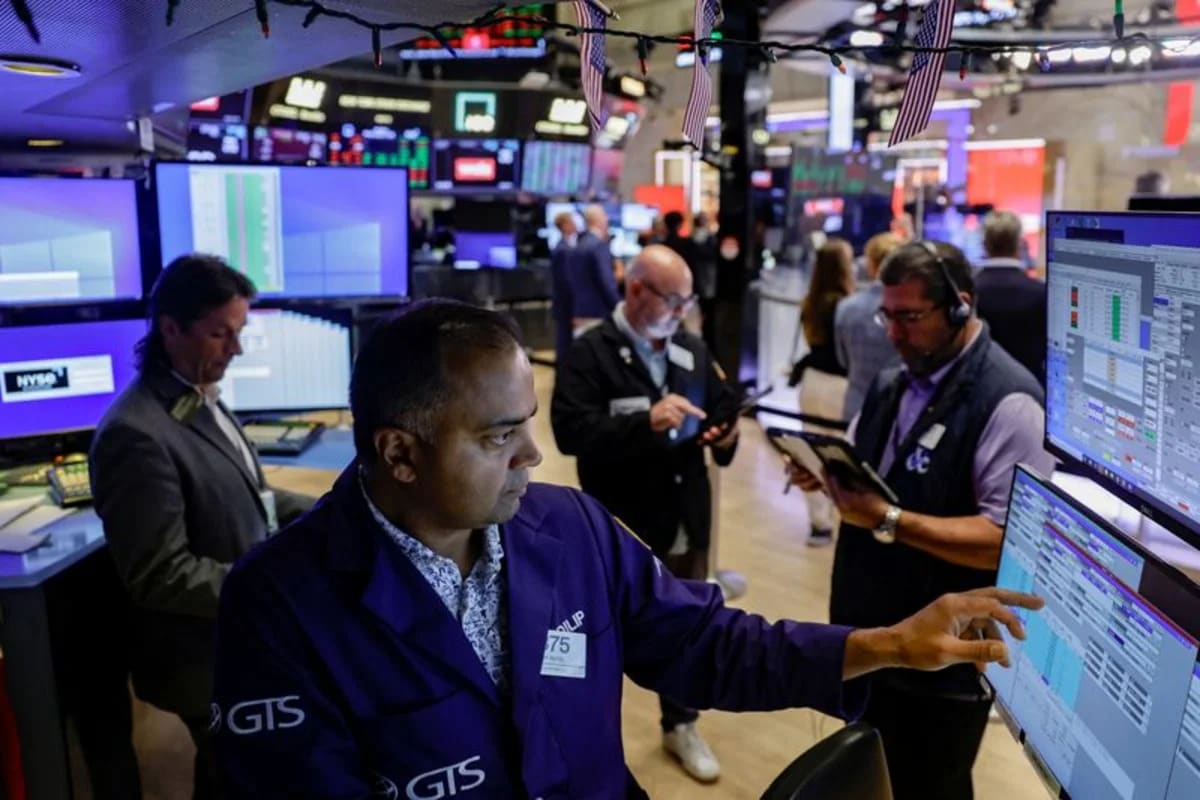
Escalating Middle East tensions and concerns over a record $40 trillion U.S. national debt have triggered significant volatility in bond and stock markets. The Treasury Department has intervened with upsized debt buybacks to stabilize yields, creating potential friction with the Federal Reserve's inflation-fighting mandate.
Market Volatility Amid Geopolitical and Fiscal Pressures
The global financial landscape is currently navigating a precarious intersection of geopolitical instability and domestic fiscal strain. Recent reports indicate that fears surrounding an escalating Middle East conflict have significantly weighed on investor sentiment, causing the Nasdaq Composite to dip by 1.33%, alongside declines in the Dow Jones Industrial Average and the S&P 500. This market retreat is compounded by rising energy concerns, as oil prices reached three-week highs following Iran's signaling of a more offensive stance and the continued closure of the Strait of Hormuz, alongside the U.S. decision to rule out a ceasefire extension.
The Bond Market Crisis
Central to the current market turbulence is the volatility in U.S. government bond yields. Long-dated Treasury yields recently touched levels not seen since 2007, reflecting deep-seated investor anxiety. The pressure on these yields is multifaceted, driven by both the flight to safety during geopolitical crises and structural concerns regarding the U.S. fiscal position. With the national sovereign debt reaching a record $40 trillion, the competition for capital—exacerbated by infrastructure demands such as AI data-center construction—has placed enormous strain on borrowing costs.
Treasury Intervention and Currency Shifts
In a direct response to the bond market selloff, the U.S. Treasury Department announced it would double the size of its buybacks for 10- to 30-year debt to at least $4 billion per operation. While this intervention was intended to steady the market, the immediate consequence was a sharp decline in the U.S. dollar, which hit a three-month low against the euro. This movement underscores a phenomenon known as the "debasement trade," where investors, fearing long-term inflation and a worsening fiscal outlook, have begun shifting capital toward alternative assets like gold and bitcoin.
Complicating the Federal Reserve's Mandate
This fiscal maneuver by Treasury Secretary Scott Bessent introduces significant complexity for the Federal Reserve. Chairman Kevin Warsh has maintained a firm commitment to price stability; however, the Treasury's aggressive intervention in the debt market may inadvertently contradict the Fed's monetary policy goals. By increasing liquidity through debt buybacks, the Treasury risks fueling inflationary pressures that the central bank is currently working to dampen through interest rate management.
Future Trends and Outlook
Looking ahead, the tension between fiscal policy and monetary policy will likely remain a dominant theme in financial markets. If the U.S. continues to face record deficits while simultaneously attempting to keep borrowing costs manageable, the Federal Reserve may find its task of curbing inflation increasingly difficult. Investors should expect continued volatility as the market evaluates whether these Treasury buybacks can effectively anchor long-term rates without triggering a broader loss of confidence in the greenback or accelerating inflationary trends. The reliance on such interventions suggests a structural shift in how the U.S. manages its mounting debt burden in a high-interest-rate environment.
Multiple Citing Sources