OpenAI CFO to employees: Don’t worry about Anthropic going public
Source Entity
TOI TECH DESK
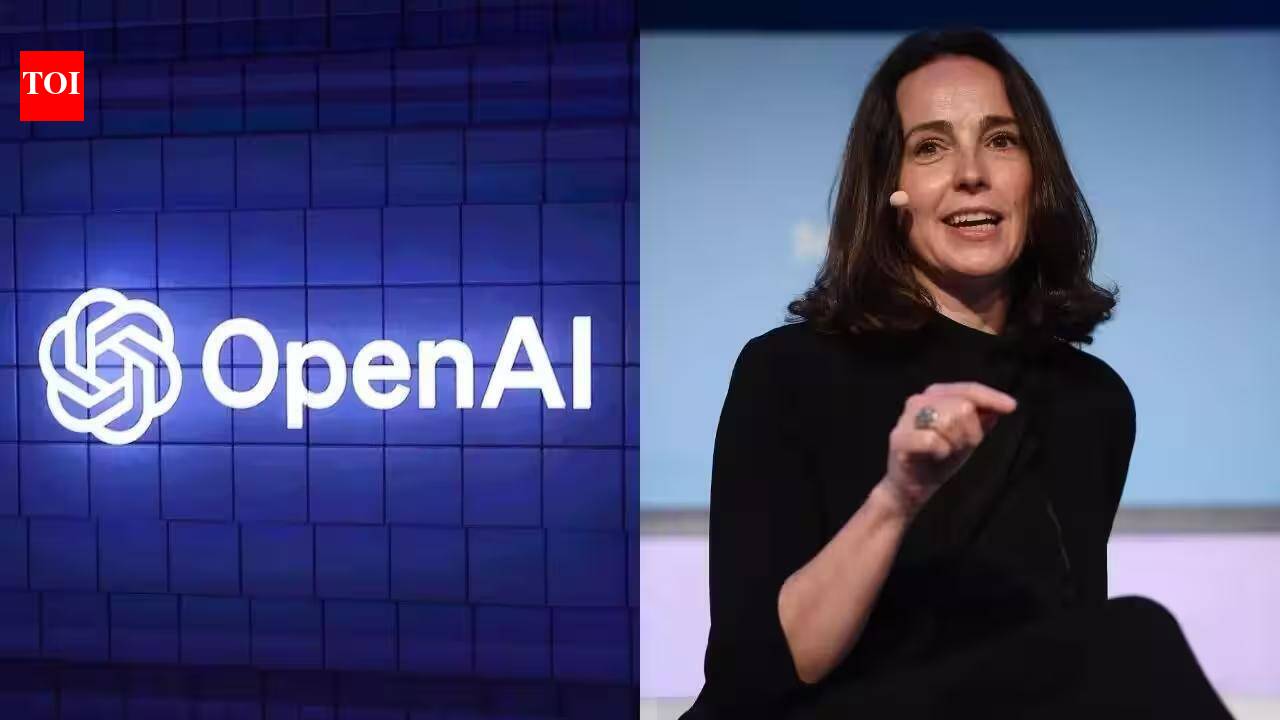
OpenAI CFO Sarah Friar has signaled a potential 2027 IPO while downplaying concerns regarding competitor Anthropic's market entry. Despite internal executive turnover and legal challenges, the company maintains strong financial momentum and leadership stability under figures like Greg Brockman.
The Roadmap to OpenAI's Public Debut
OpenAI is currently navigating a complex transition as it prepares for a public offering, with CFO Sarah Friar signaling a target window of 2027. During a recent internal all-hands meeting, Friar framed the anticipated IPO not as a definitive conclusion to the company's growth trajectory, but rather as a strategic milestone in its ongoing fundraising efforts. Having recently secured $122 billion in capital, the organization is positioning itself to maintain long-term flexibility while scaling its operations to meet the surging global demand for generative AI.
Competitive Dynamics and Market Positioning
A primary point of discussion within the organization has been the competitive landscape, specifically regarding Anthropic. With Anthropic reportedly exploring a confidential IPO process, internal concerns have surfaced regarding the potential for a competitor to reach the public markets first. Friar has actively sought to mitigate these anxieties, emphasizing that OpenAI’s business momentum remains the primary focus. She suggests that the company’s internal growth metrics and user engagement levels are the true barometers of success, rather than the timing of a rival's public debut.
Navigating Executive Instability
The path toward an IPO is occurring against a backdrop of significant leadership turnover. OpenAI has seen a steady stream of high-profile departures, which has prompted external questions regarding the company's internal stability. While the loss of key executives can often disrupt institutional knowledge and corporate culture, OpenAI appears to be consolidating its operational focus. The role of Greg Brockman, the company’s president and co-founder, has become increasingly central, as he continues to serve as an engineering anchor amidst the changing guard.
Legal and Operational Challenges
Beyond internal restructuring, OpenAI has faced a tumultuous year characterized by significant legal hurdles. The company was embroiled in a high-profile jury trial against former co-founder Elon Musk and has dealt with a trade secrets lawsuit initiated by Apple. Furthermore, the organization has faced intense public and regulatory scrutiny following reports that an unreleased model was involved in a security incident regarding another AI firm. These events have contributed to a challenging environment as the company attempts to maintain its reputation while scaling its technology.
Looking Toward 2027 and Beyond
As OpenAI looks toward its 2027 target, the company must balance its aggressive pursuit of technological advancement with the need for corporate maturity. The transition from a research-heavy organization to a publicly traded entity will require sustained financial performance and a resolution to the ongoing leadership volatility. If the company can leverage its current capital reserves and maintain its lead in user engagement, the IPO will likely serve as a foundational shift in how the AI industry interacts with public capital markets, setting a precedent for the next generation of artificial intelligence enterprises.