Amid dissent, National Conference to form advisory groups for MLAs: ‘We are together as a party’
Source Entity
Bashaarat Masood
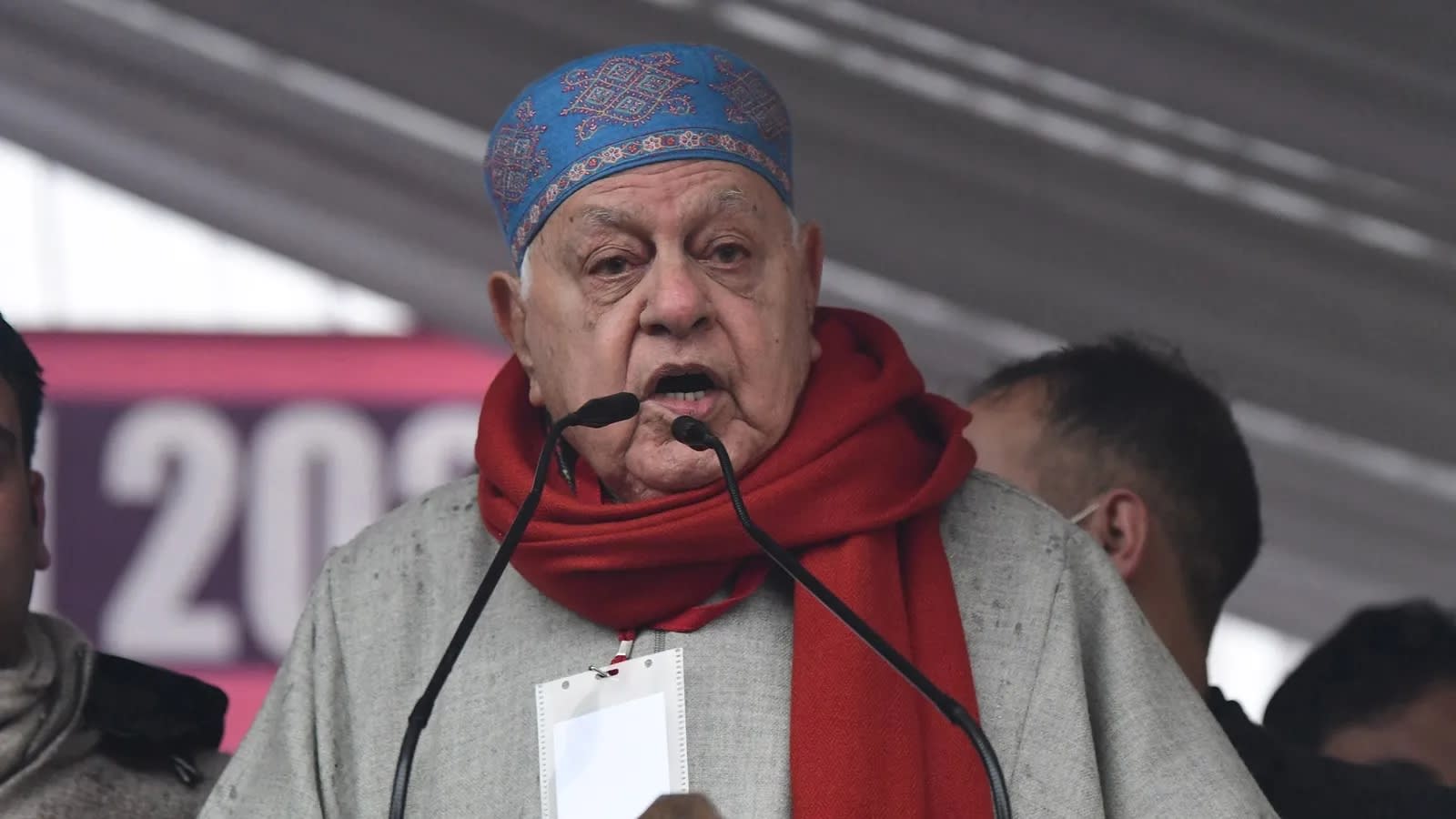
The National Conference is forming advisory groups for MLAs to address internal dissent following a contentious cabinet expansion. Party leadership, led by Farooq Abdullah, aims to quell growing resentment and ideological friction within the party ranks.
Internal Strife in the National Conference: A Strategic Realignment
The Jammu and Kashmir National Conference (NC) is currently navigating a period of significant internal turbulence following a recent cabinet expansion that left a substantial portion of its legislative wing feeling marginalized. With at least 18 legislators expressing overt resentment, the party leadership is facing a rare challenge to its authority. The core of this grievance stems from a perceived lack of inclusion in the decision-making process, leading to accusations that the leadership has prioritized specific factions while ignoring the collective input of the party's elected representatives.
The Advisory Group Initiative
To mitigate this brewing revolt, party president Farooq Abdullah has initiated a plan to establish informal advisory groups for each cabinet minister. By inviting legislators to select ministers they wish to collaborate with, the leadership is attempting to formalize a consultative mechanism that was previously absent. This move is a clear effort to decentralize communication channels and provide disgruntled MLAs with a sense of agency, effectively creating a buffer between the cabinet and the broader legislative body.
Leadership Challenges and Succession Dynamics
This crisis places Omar Abdullah’s leadership under intense scrutiny. As the party transitions through this delicate phase, Farooq Abdullah is stepping in to mediate the relationship between the executive leadership and the restless lawmakers. The necessity of such high-level intervention suggests that the dissatisfaction is not merely about cabinet berths, but reflects deeper concerns regarding the concentration of power and the transparency of the party's governance strategy.
Ideological Fractures and External Pressures
Beyond the logistical issues of cabinet appointments, the National Conference is also grappling with ideological disillusionment. The resignation of Srinagar MP Aga Syed Ruhullah Mehdi serves as a critical indicator of these broader rifts. Mehdi’s critique—that the party has drifted from its core promises concerning Kashmir’s dignity and autonomy following the abrogation of Article 370—highlights a growing disconnect between the party’s historical platform and its current political trajectory.
Future Implications and Party Stability
The success of the proposed advisory groups will determine whether the NC can maintain its unity or if it faces a prolonged period of internal fragmentation. If these groups fail to provide the promised influence, the party risks further defections or a permanent erosion of its legislative strength. Moving forward, the leadership must balance the pragmatic needs of governing with the ideological demands of its base, a task made increasingly difficult by the shifting political landscape in the region.
Conclusion
In summary, the National Conference stands at a precarious juncture. While the formation of advisory groups is a tactical maneuver intended to pacify immediate dissent, the underlying issues of ideological drift and political exclusion require more comprehensive resolutions. The party's ability to navigate these twin challenges will define its effectiveness in the coming legislative session and its long-term viability as a major political force in Jammu and Kashmir.
Multiple Citing Sources