NC's twin troubles: Can Farooq Abdullah contain brewing revolt against Omar?
Source Entity
PALLAVI
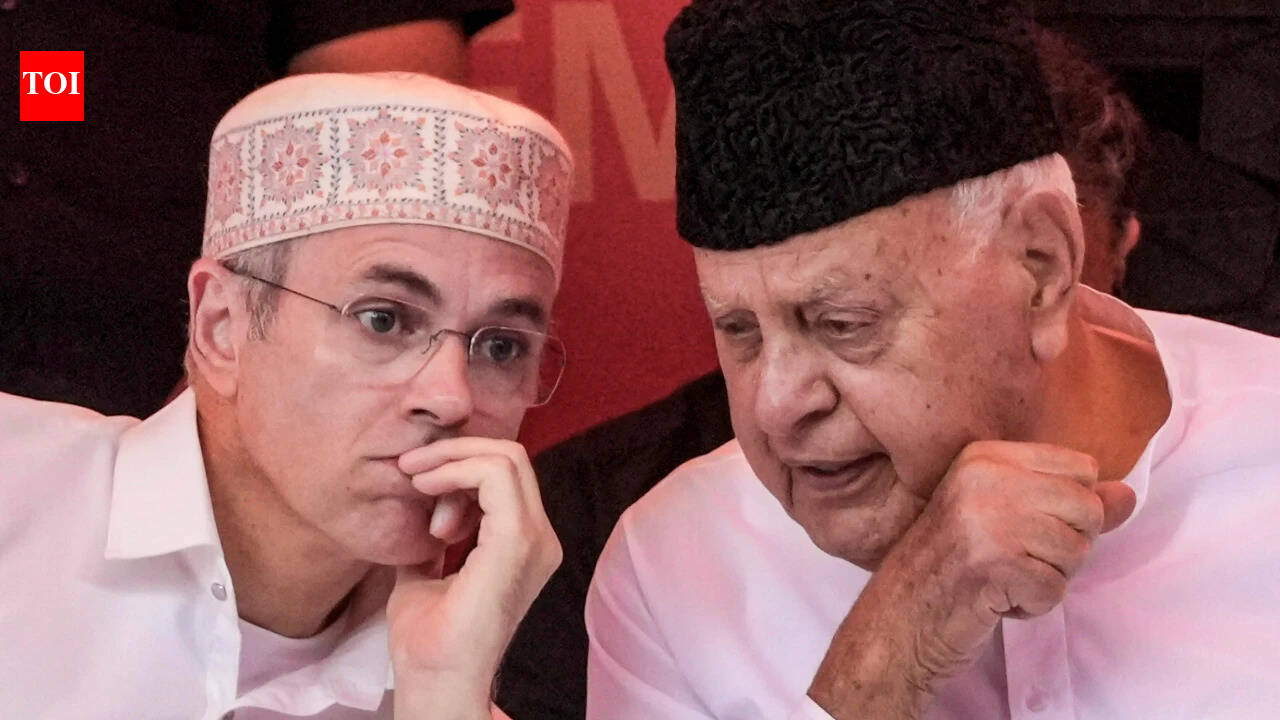
The National Conference is facing internal unrest as 18 legislators protest their exclusion from the cabinet following recent government decisions. Party patriarch Farooq Abdullah is attempting to contain this dissent by creating informal advisory groups to increase lawmaker participation in decision-making.
Internal Strife within the National Conference
The National Conference (NC), a cornerstone of Jammu and Kashmir politics, is currently navigating a period of significant internal volatility. Under the leadership of Omar Abdullah, the party is grappling with a brewing revolt among veteran MLAs who feel marginalized following recent cabinet expansion decisions. This unrest has manifested in the vocal dissatisfaction of at least 18 party legislators, who have accused the leadership of sidelining them and ignoring their contributions to the party’s strategic direction.
The Catalyst: Cabinet Exclusions and Ideological Rifts
The primary driver of this discontent is the recent cabinet formation, which left a substantial portion of the legislative wing feeling overlooked. This situation has been compounded by deeper ideological fractures within the organization. Notably, the resignation of Srinagar MP Aga Syed Ruhullah Mehdi has brought these tensions to the forefront. Mehdi’s public critique—alleging that the NC leadership has failed to uphold its core promises regarding Kashmir’s dignity and autonomy in the wake of the Article 370 abrogation—highlights a growing disconnect between the party’s grassroots base and its current administrative trajectory.
Farooq Abdullah’s Mediation Efforts
Recognizing the existential threat posed by this internal schism, party president Farooq Abdullah has stepped in to mediate. His strategy involves a direct effort to reconnect with restless lawmakers and address their grievances through structured dialogue. By initiating a process to solicit the preferences of MLAs regarding which ministers they wish to be associated with, the leadership is attempting to restore a sense of agency and inclusion among the party’s rank and file.
Strategic Pivot: The Advisory Group Model
As a tactical response to the mounting pressure, the National Conference has announced the formation of informal advisory groups for each minister. This structural adjustment is designed to bridge the gap between the executive and the legislative wings, ensuring that MLAs have a formal, albeit informal, channel to influence decision-making. By formalizing this consultative process, the party hopes to stabilize its internal dynamics and present a unified front to the public.
Broader Implications and Future Outlook
The resolution of this crisis will likely have significant implications for the future of the National Conference. The party’s ability to reconcile its internal ideological differences—specifically concerning its stance on autonomy and dignity—will determine its electoral viability. If Farooq Abdullah succeeds in pacifying the dissidents through the advisory group model, the party may regain its footing. However, failure to address the underlying feeling of disenfranchisement among its veteran legislators could lead to further defections and a weakening of the party’s influence in the region. The coming months will be a litmus test for the Abdullah leadership's capacity to balance administrative demands with the expectations of a diverse and increasingly restless political caucus.
Multiple Citing Sources