Before Kaliningrad 'war', this NATO nation warns Putin is 'cooking up something big' |Poland, Russia
Source Entity
Latest News: Todays Latest News Headlines from India & World | Hindustan Times | Hindustan Times
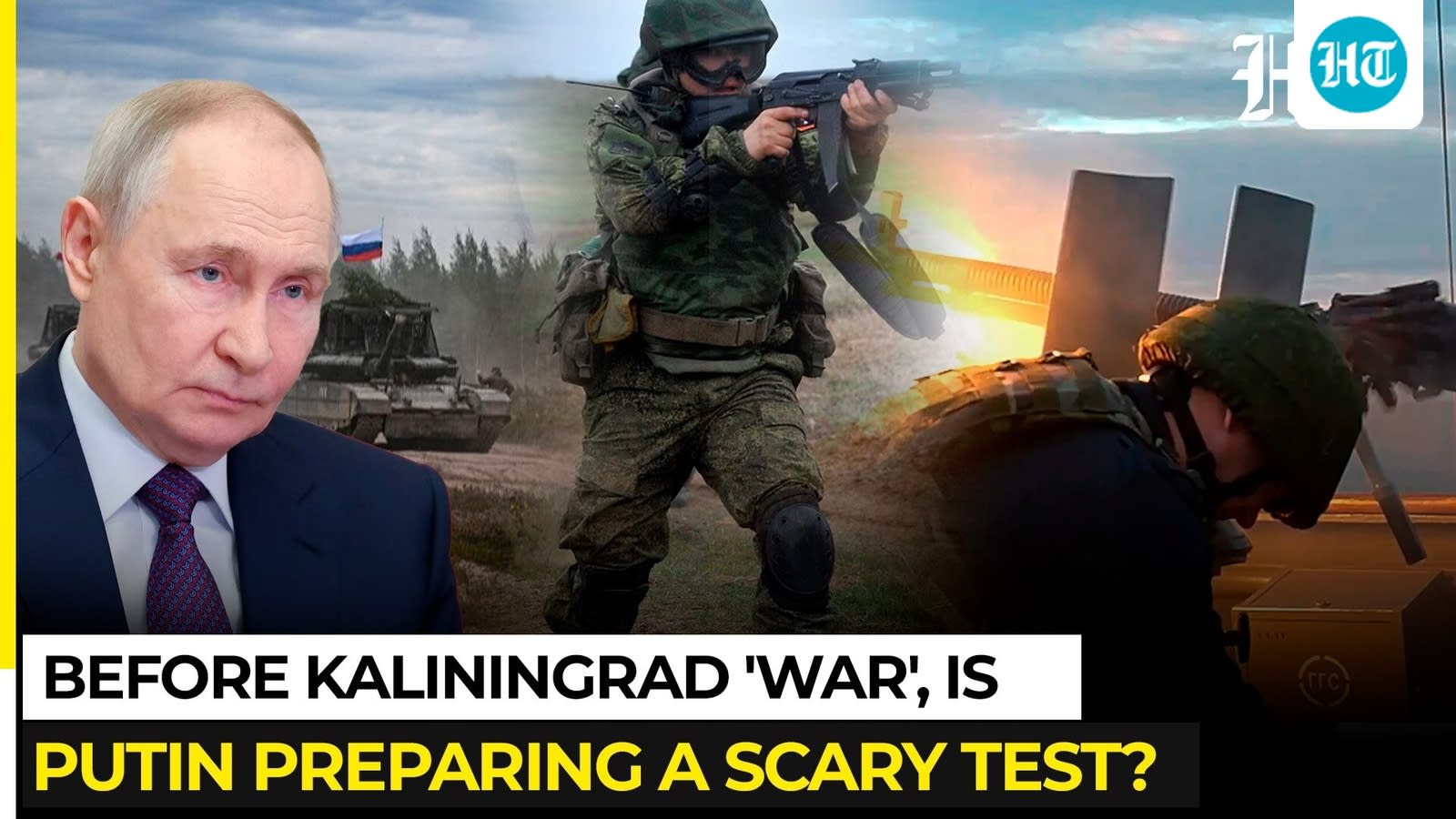
Tensions between Russia and NATO are escalating following warnings from Poland regarding potential Russian false-flag operations and mobilization. While NATO leaders maintain that a full-scale invasion is unlikely, rhetoric from both sides continues to intensify amidst concerns over the Baltic region and Kaliningrad.
The Rising Shadow Over Eastern Europe
The geopolitical landscape of Eastern Europe is currently defined by a profound climate of uncertainty and mutual suspicion. As intelligence reports from Polish officials suggest that Moscow may be preparing for a significant escalation—potentially involving false-flag operations to justify further domestic mobilization—the discourse between the Kremlin and the NATO alliance has reached a new level of volatility. These warnings, articulated by Polish Foreign Minister Radoslaw Sikorski, place specific focus on the strategic flashpoint of Kaliningrad and the security of the Baltic states.
The Strategic Importance of Kaliningrad
Kaliningrad, Russia’s heavily militarized exclave on the Baltic Sea, remains a central concern for regional security planners. Any perceived pressure or unconventional military maneuvering in this region acts as a force multiplier for anxiety among NATO’s eastern flank members. The concern is that Russia could utilize this territory to test the resolve of the alliance or create a localized crisis that necessitates a rapid, defensive response from NATO, thereby altering the status quo in the Baltic region.
Divergent Perspectives on Escalation
While Poland’s leadership warns of imminent danger, the broader NATO perspective, led by Secretary-General Mark Rutte, remains more measured. By echoing recent Danish intelligence assessments that a full-scale invasion of NATO territory is “highly unlikely,” the alliance attempts to balance the need for credible deterrence with the desire to avoid unnecessary provocation. This duality—preparing for the worst while publicly downplaying the immediate probability—is a hallmark of modern hybrid conflict management.
Rhetorical Warfare and Provocation
In response to these warnings, Vladimir Putin has dismissed Western concerns as “deliberate provocation,” specifically mocking calls from Estonian officials for pre-emptive defensive measures. By labeling such discourse as “political clownery,” the Kremlin is attempting to frame itself as a victim of Western hysteria rather than an aggressor. This rhetorical strategy serves to undermine the credibility of NATO’s warnings by painting them as artificial constructs designed to justify increased military spending and troop deployments along the Russian border.
The Implications of False-Flag Fears
The specific mention of a potential “false-flag” operation is significant because it suggests that intelligence agencies are tracking not just troop movements, but potential information warfare tactics. If Moscow were to manufacture a scenario to justify further mobilization, the domestic and international consequences would be severe, potentially triggering a more aggressive posture from NATO. The alliance’s vow to defend “every inch” of its territory remains the primary mechanism for preventing such an outcome.
Future Trends in Deterrence
Moving forward, the relationship between Russia and the Baltic states is likely to remain in a state of 'frozen tension.' As NATO continues its contingency planning, the focus will likely shift toward increasing the transparency of military exercises and strengthening the rapid response capabilities of its eastern members. The goal remains to prevent miscalculation, even as both sides continue to engage in a war of words that leaves little room for diplomatic resolution in the near term.
Verification Required?