Navi Mumbai emerges as cleanest city; Surat, Vijayawada runners-up in cleanliness survey
Source Entity
India Latest News: Top National Headlines Today & Breaking News | The Hindu
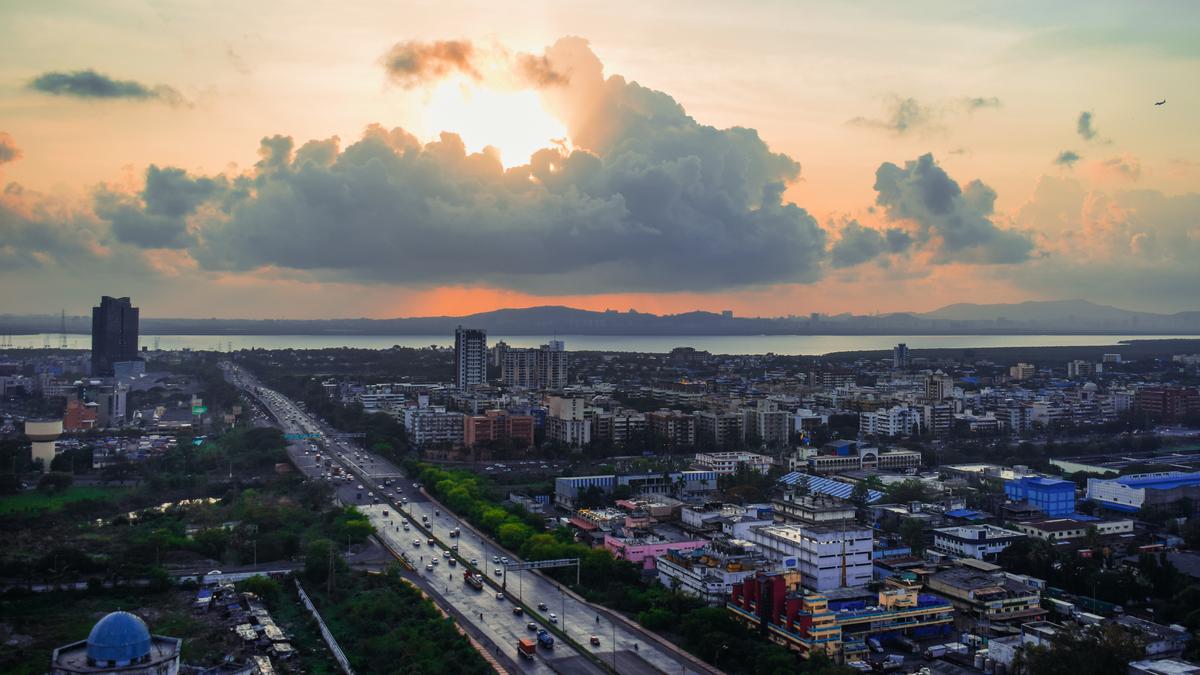
Navi Mumbai has been named India's cleanest city in the latest Swachh Survekshan survey, marking a shift as long-time leader Indore drops from the top ranks. Several other cities, including Guntur and Jammu, received recognition across various categories for their efforts in waste management and sustainability.
A New Era in Urban Sanitation
The landscape of urban cleanliness in India has witnessed a significant transformation with the release of the Swachh Survekshan 2025–26 rankings. In a notable departure from historical trends, Navi Mumbai has ascended to the top position as the cleanest city in the country. This shift is particularly striking given that Indore, which had maintained an unprecedented eight-year streak as the cleanest city, failed to secure a place among the top-tier winners this year. This change signals an increasing competitiveness among Indian cities to improve their sanitation infrastructure and waste management protocols.
Diversified Excellence Across Categories
The survey results highlight a broader distribution of success beyond just the major metropolitan centers. In the category for cities with a population between 3 and 10 lakh, Ujjain emerged as the leader, followed by Chandigarh and Guntur. Furthermore, the ‘Super Swachh League’ award was bestowed upon Guntur, underscoring the city's commitment to sanitation. These accolades, presented by President Droupadi Murmu at Vigyan Bhawan in New Delhi, reflect the government's effort to incentivize clean governance through healthy, nationwide competition.
Regional Triumphs and Specialized Recognition
Regional performance has become a focal point of the Swachh Bharat Mission. Andhra Pradesh, in particular, has demonstrated exceptional progress, securing six national awards and earning the title of the second-best performing state in the country. This success is attributed to a combination of municipal administrative efforts and active public participation. Meanwhile, the recognition of smaller or specialized urban centers, such as Rewa, Bilaspur, and Varanasi for their riverfront management, indicates a granular approach to addressing environmental challenges unique to specific geographic features.
The Himalayan Corridor and Sustainable Progress
Environmental stewardship in ecologically sensitive zones remains a priority, as evidenced by Jammu’s achievement of the second rank in the 'Swachh Himalayan City' category. Officials have credited this success to rigorous sustainable solid waste management, the effective implementation of four-stream door-to-door waste segregation, and the successful eradication of single-use plastics. These initiatives represent a shift toward long-term sustainability rather than merely focusing on surface-level cleanliness.
Future Trends in Urban Policy
The theme of this year’s awards, “Swachhata Ki Nayi Pehel – Badhayein Haath, Karein Safai Saath,” emphasizes a collaborative model involving both authorities and citizens. As cities like Greater Visakhapatnam, Jabalpur, and Lucknow continue to refine their waste processing systems, the focus is likely to remain on technological integration and community-led drives. The exclusion of previous long-term winners from the top spots suggests that the evaluation criteria remain dynamic, forcing municipalities to constantly innovate and upgrade their sanitation benchmarks to remain competitive in future cycles.
Verification Required?