NBA commissioner Adam Silver says league could introduce ‘smart ball’ technology as soon as next year
Source Entity
US Top News and Analysis
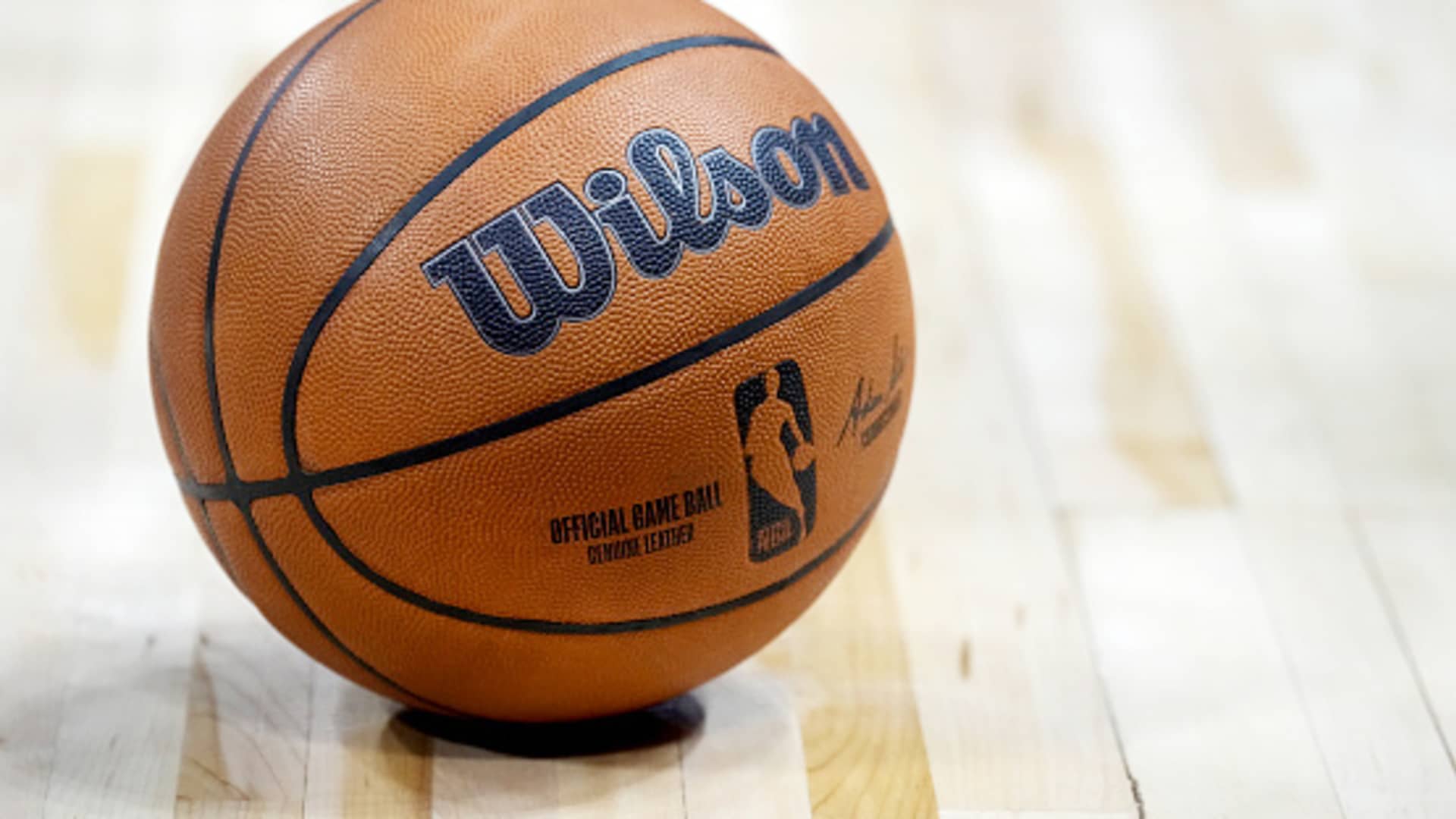
NBA Commissioner Adam Silver announced plans to introduce microchip-embedded 'smart balls' by 2027 to enhance officiating precision. The technology, developed with Wilson, tracks movement and trajectory without affecting ball performance.
The Future of Officiating: NBA’s Smart Ball Integration
NBA Commissioner Adam Silver has officially signaled a paradigm shift in professional basketball, announcing that the league is moving toward the implementation of 'smart ball' technology. By integrating microchip sensors directly into the game ball, the NBA aims to revolutionize the accuracy of officiating and data collection. This technological leap represents a significant departure from traditional game management, moving toward a data-driven environment where human judgment is bolstered by precise, real-time analytics.
Engineering Precision: The Wilson Partnership
Working in close collaboration with official manufacturer Wilson, the league has developed a specialized sensor weighing approximately one gram. This microchip, equipped with Bluetooth capabilities, is designed to track intricate details such as ball movement, spin rates, and changes in trajectory. Because the weight is negligible, the integrity of the game remains intact, ensuring that the physical experience for the players is identical to using a standard basketball.
Rigorous Testing and Player Feedback
Before a full-scale rollout, the NBA has conducted extensive testing across several developmental tiers. The technology has been utilized during G League games, Summer League matchups, and select preseason contests. Crucially, the league has utilized a 'blind' testing approach where players participated with both standard and smart balls. According to Silver, the feedback has been overwhelmingly positive, with players noting that they could not perceive any difference in the feel or performance of the ball.
Transforming the Officiating Landscape
One of the primary drivers for this innovation is the improvement of officiating. By providing data on exactly how a ball moves or interacts with the court, the league can offer officials an objective layer of information to support their calls. This could potentially resolve long-standing debates regarding out-of-bounds plays, goaltending, or shot-clock violations, where split-second human perception often struggles to capture the reality of the play.
Broader Implications and Strategic Trends
This move aligns with the NBA’s broader strategy of embracing advanced technology to enhance fan engagement and game integrity. By capturing high-fidelity data, the league not only aids officials but also provides broadcasters and analysts with deeper insights into player performance and game dynamics. This trend toward the 'quantified game' suggests that future NBA broadcasts may feature real-time analytics that were previously impossible to track with such granular precision.
Conclusion and Future Outlook
As the league prepares for a potential 2027 implementation, the focus will remain on refining the integration of this sensor data into the officiating workflow. By proving that high-tech interventions can be seamless and invisible to the athlete, Adam Silver is setting a new standard for professional sports. The adoption of the smart ball is a testament to the league's commitment to precision, ensuring that the outcome of games is determined by player skill and objective, verifiable data.