NCB to set up zonal office in Shimla for drug-free campaign
Source Entity
Latest News: Todays Latest News Headlines from India & World | Hindustan Times | Hindustan Times
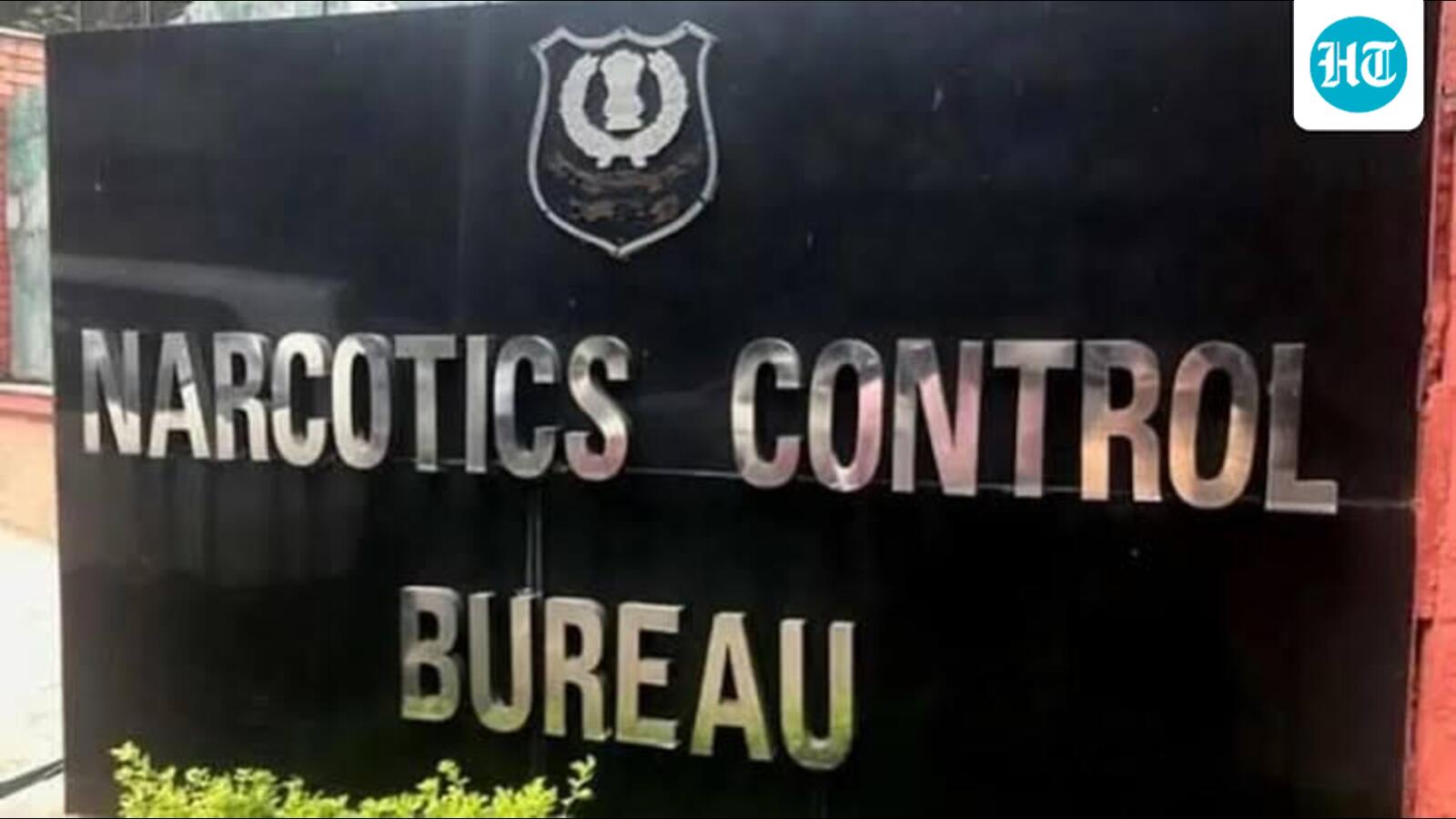
The Narcotics Control Bureau is establishing a new zonal office in Shimla to bolster regional drug enforcement. This initiative, approved by Union Home Minister Amit Shah, supports the broader 'Nasha Mukt Bharat Abhiyan 2029' campaign.
Strengthening Narcotics Enforcement in Himachal Pradesh
The announcement by NCB Regional Director Amanjit Singh regarding the establishment of a dedicated zonal office in Shimla marks a significant shift in India’s regional drug enforcement strategy. By securing a physical presence in the state capital, the Narcotics Control Bureau (NCB) intends to create a more robust framework for surveillance and intervention in a region that has faced increasing challenges related to substance abuse and trafficking.
Government Commitment and Infrastructure
This initiative comes directly under the mandate of the Union Home Ministry. The approval granted by Union Home Minister Amit Shah underscores the central government's prioritization of Himachal Pradesh in the national security discourse. The request for land, facilitated through coordination with Shimla Deputy Commissioner Anupam Kashyap, represents a crucial logistical step toward operationalizing this office, ensuring that the agency has the necessary infrastructure to conduct effective field operations.
The Nasha Mukt Bharat Abhiyan 2029
Central to this development is the 'Nasha Mukt Bharat Abhiyan 2029,' a national campaign aimed at eradicating drug dependency. By integrating this initiative with the establishment of a local zonal office, the government is moving beyond mere awareness programs. The collaboration between the Ministry of Home Affairs and the Ministry of Information and Broadcasting suggests a multi-pronged approach that combines aggressive law enforcement with large-scale public sensitization efforts.
Regional Implications and Strategic Challenges
Shimla’s geographical positioning makes it a critical node for surveillance. The establishment of this office is expected to streamline coordination between central intelligence and local law enforcement agencies. This synergy is vital for disrupting supply chains that traverse the mountainous terrain of Himachal Pradesh, which has historically been vulnerable to the illegal cultivation and distribution of narcotics.
Future Trends in Drug Control
Moving forward, the success of this zonal office will likely serve as a blueprint for other hill states. By institutionalizing the 'Nasha Mukt Bharat' goals through permanent regional hubs, the government is signaling a long-term commitment to public health and social order. Future trends will likely see an increase in inter-agency intelligence sharing and a shift toward more sophisticated, data-driven policing tactics in the region.
Conclusion
The establishment of the NCB zonal office in Shimla is a proactive measure that aligns with the broader national objective of a drug-free India. With clear administrative backing and a defined mission, the initiative provides a structured response to the evolving drug landscape, promising a more secure future for the state’s population through sustained awareness and stringent regulatory oversight.
Verification Required?